

Frozen Latte
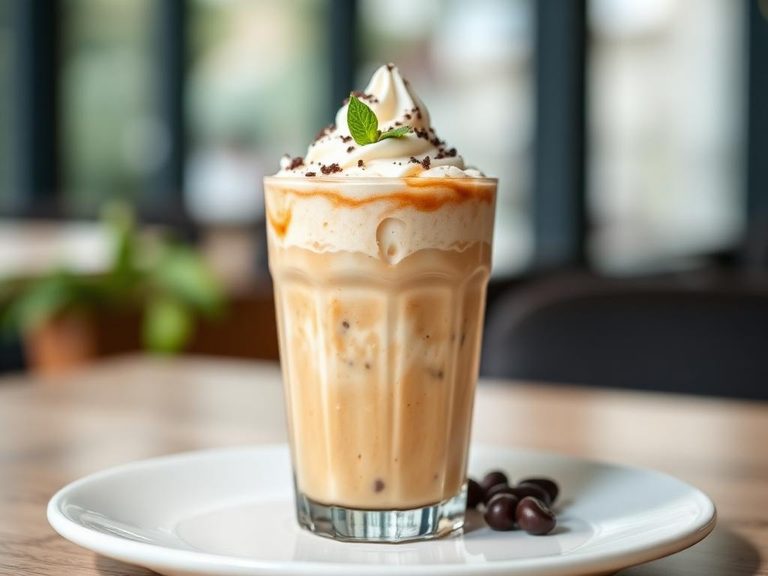
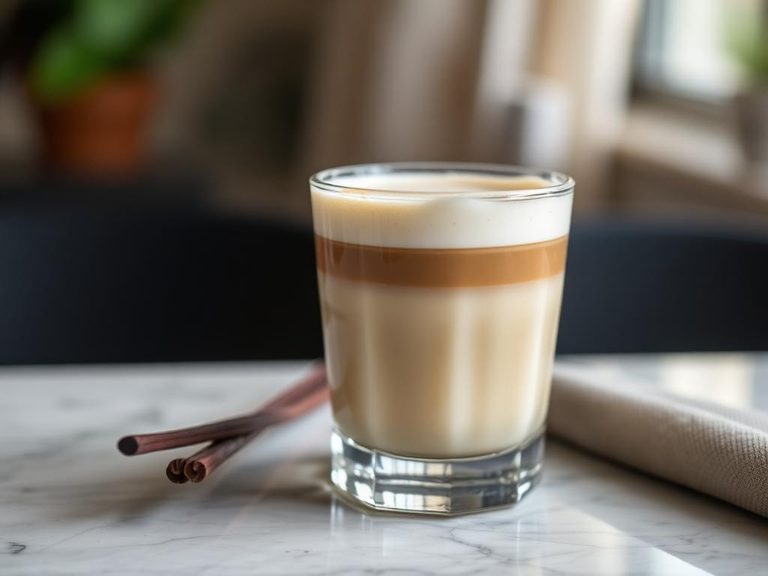
A Frozen Latte is a chilled coffee beverage made by blending espresso or strong brewed coffee with milk, ice, and often a sweetener like sugar or flavored syrup. It originated in the United States, becoming popular in coffee shops during the 1990s as a refreshing alternative to hot lattes.
🍽️ Nutrition at a glance
This drink is typically high in carbohydrates and fat, depending on the milk and sweeteners used, providing a quick energy boost from caffeine and sugars. A standard 16-ounce serving can range from 200 to 400 calories, with key nutrients including calcium from milk and antioxidants from coffee.
Nutrition breakdown
| Calories | 180 kcal |
| Protein | 3 g |
| Carbs | 30 g |
| Fat | 6 g |
| Fiber | 0 g |
| Sugar | 28 g |
| Sodium | 100 mg |
| Calcium | 120 mg |
| Potassium | 200 mg |
| Magnesium | 25 mg |
| Phosphorus | 80 mg |
| Vitamin A | 60 mcg RAE |
| Vitamin D | 1.5 mcg |
| Riboflavin (B2) | 0.15 mg |
| Niacin (B3) | 0.2 mg |
Per 1 cup (240 g) · estimated, varies by recipe
💡 What's interesting
Culturally, the Frozen Latte represents the evolution of coffee culture towards more convenient, on-the-go options, blending European espresso traditions with American innovation. Nutritionally, it's unique for offering a balance of stimulant effects from caffeine and a creamy, indulgent texture that can be customized for dietary preferences.
🍽️ Related dishes



AI estimate may be inaccurate · Terms