

Frozen into teething popsicles
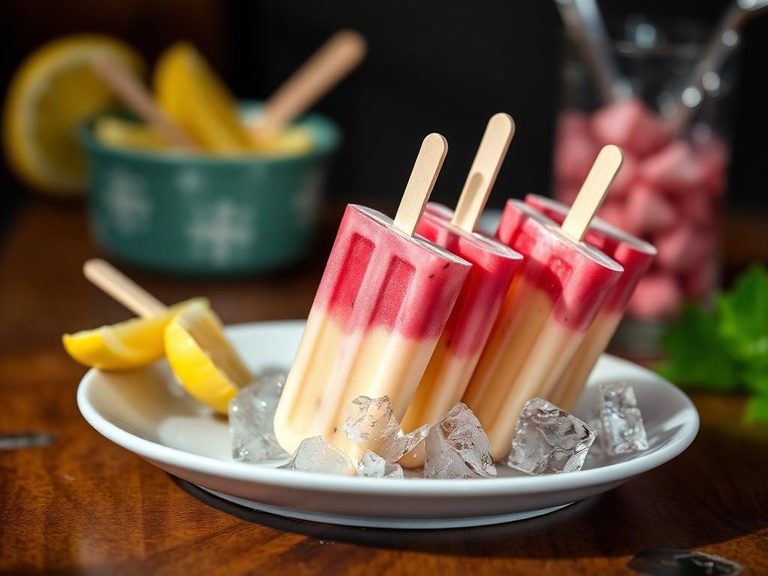
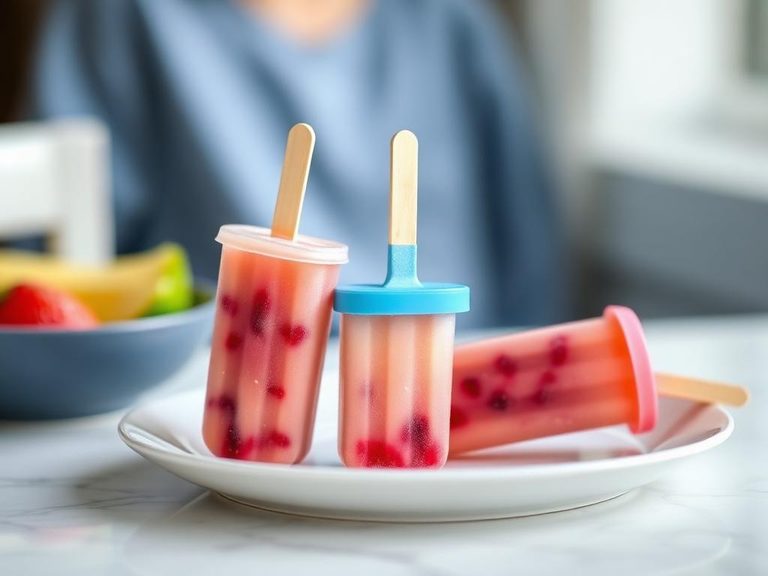
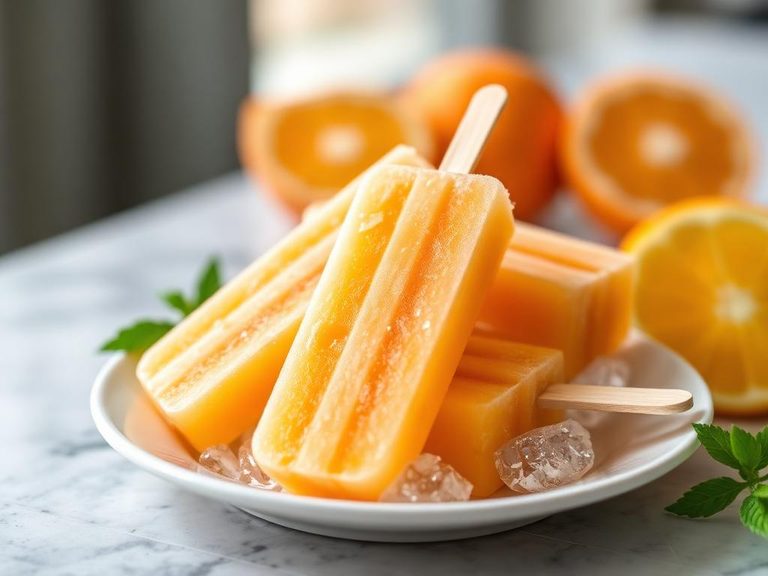
Frozen teething popsicles are homemade, nutrient-dense ice treats specifically designed for babies and toddlers who are experiencing the discomfort of teething. They are typically made by pureeing soft fruits like bananas, avocados, or sweet potatoes, often mixed with breast milk, formula, or yogurt, and then freezing the mixture in teething-friendly molds. This is a popular, modern DIY snack found in home kitchens worldwide, particularly among health-conscious parents.
🍳 View the full Frozen into teething popsicles recipe →
🍽️ Nutrition at a glance
These popsicles are generally low in fat and protein but can be a good source of carbohydrates and natural sugars from the fruit base, providing quick energy. They offer key nutrients like potassium, vitamin C, and fiber, depending on the ingredients, with a calorie count that typically ranges from 30 to 60 calories per small pop.
Nutrition breakdown
| Calories | 35 kcal |
| Protein | 0.5 g |
| Carbs | 8.5 g |
| Fat | 0.1 g |
| Fiber | 0.5 g |
| Sugar | 7 g |
| Sodium | 5 mg |
| Potassium | 90 mg |
| Vitamin C | 10 mg |
| Vitamin A | 50 µg |
| Calcium | 15 mg |
| Magnesium | 5 mg |
| Phosphorus | 10 mg |
| Folate | 10 µg |
| Vitamin K | 2 µg |
Per 1 popsicle (75 g) · estimated, varies by recipe
💡 What's interesting
Culturally, this dish represents a modern parenting trend that combines practical teething relief with early introduction to solid foods, often shared on social media. Nutritionally, they are unique because they serve a dual purpose: soothing sore gums while acting as a first-food vehicle for introducing flavors and nutrients in a safe, frozen form.
🍽️ Related dishes
AI estimate may be inaccurate · Terms