Fried bannock

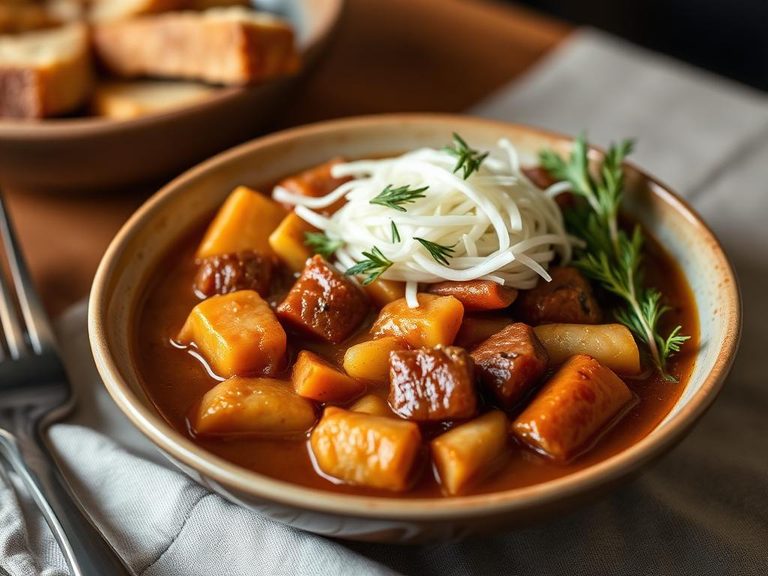
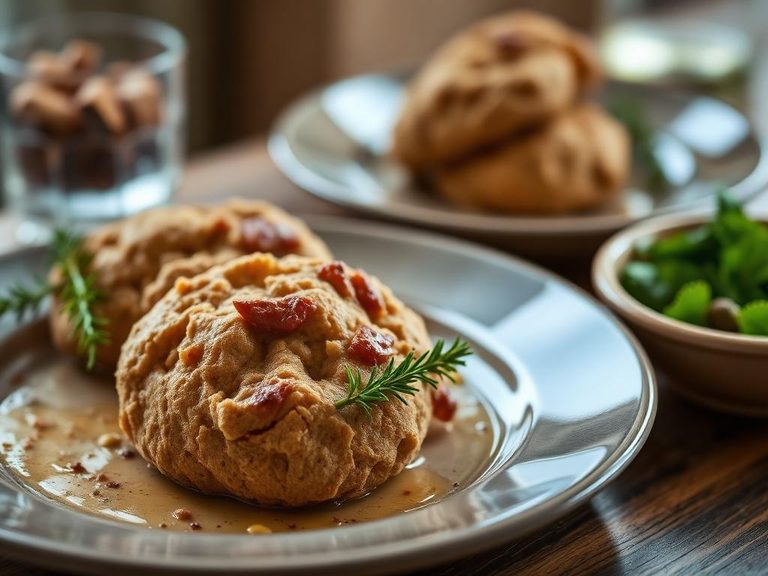
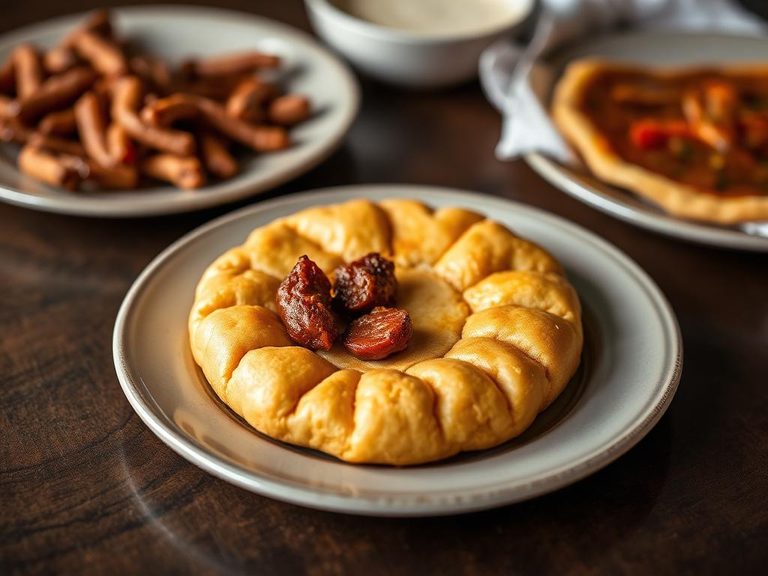
Fried bannock is a simple, unleavened bread made from flour, water, and salt, deep-fried or pan-fried until golden and puffy. It is a staple food with roots in Indigenous cuisines across North America, particularly in Canada and the northern United States. The recipe is highly adaptable, often incorporating baking powder for a lighter texture or additional ingredients like berries.
🍽️ Nutrition at a glance
As a fried bread, it is high in carbohydrates and fat, providing a quick source of energy. A typical serving offers significant calories from the flour and oil, along with small amounts of iron and B vitamins from the enriched flour.
Nutrition breakdown
| Calories | 350 kcal |
| Protein | 6 g |
| Carbs | 40 g |
| Fat | 18 g |
| Fiber | 2 g |
| Sugar | 1 g |
| Sodium | 400 mg |
| Iron | 2.5 mg |
| Thiamin (B1) | 0.3 mg |
| Niacin (B3) | 3.5 mg |
| Folate | 60 mcg |
| Calcium | 40 mg |
| Potassium | 80 mg |
| Magnesium | 15 mg |
| Phosphorus | 70 mg |
Per 1 piece (100 g) · estimated, varies by recipe
💡 What's interesting
Bannock's history is deeply tied to the fur trade and colonial contact, where European traders introduced ingredients like wheat flour to Indigenous communities. It has since become a symbol of cultural resilience and adaptation, with many families passing down unique recipes.