Scottish bannocks
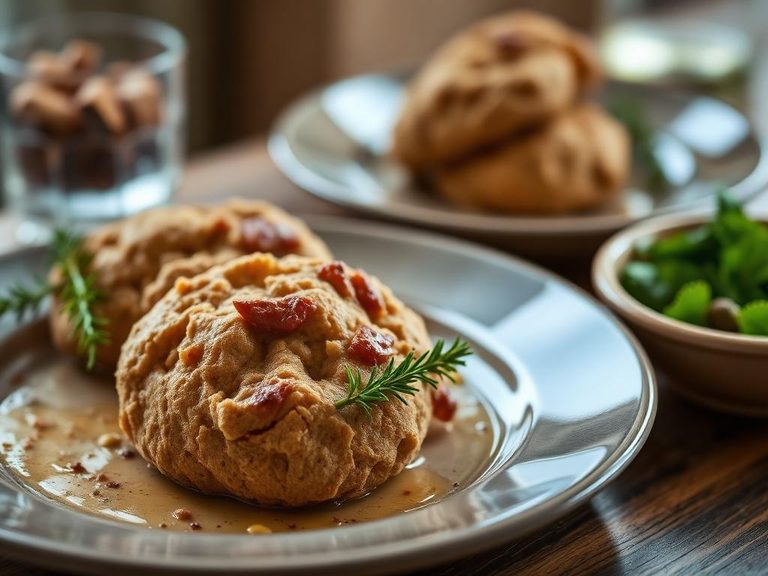
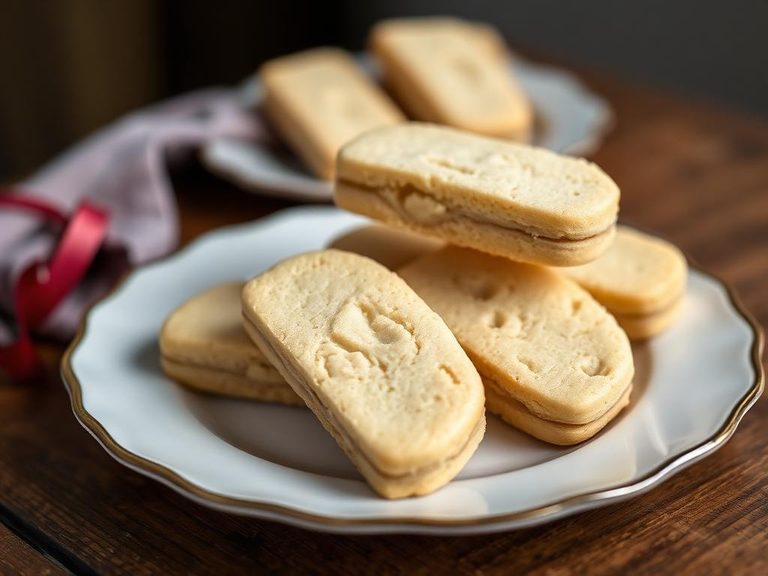
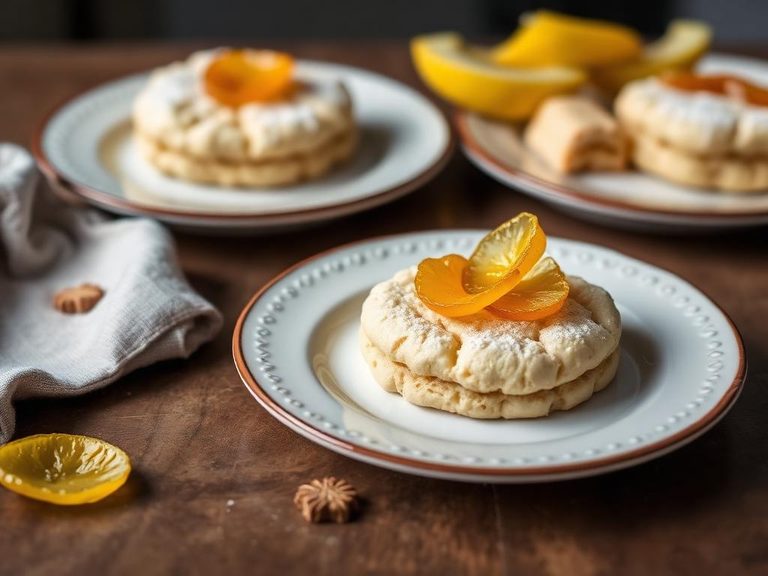
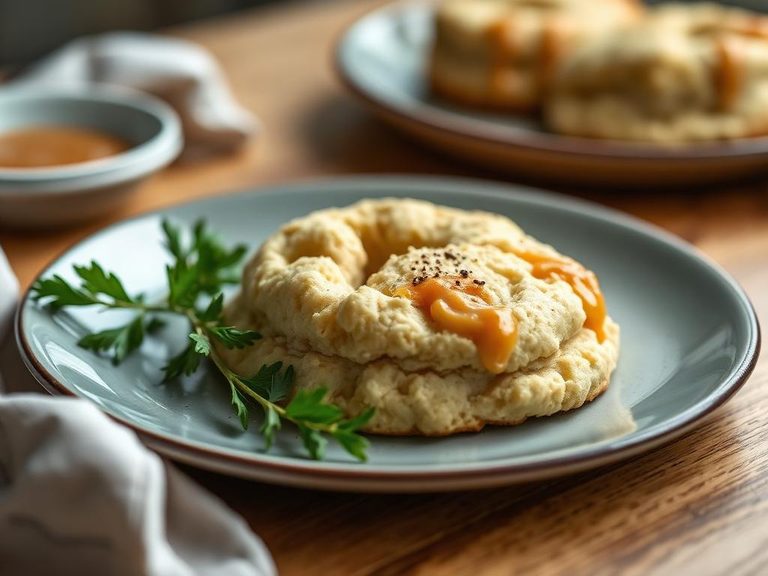
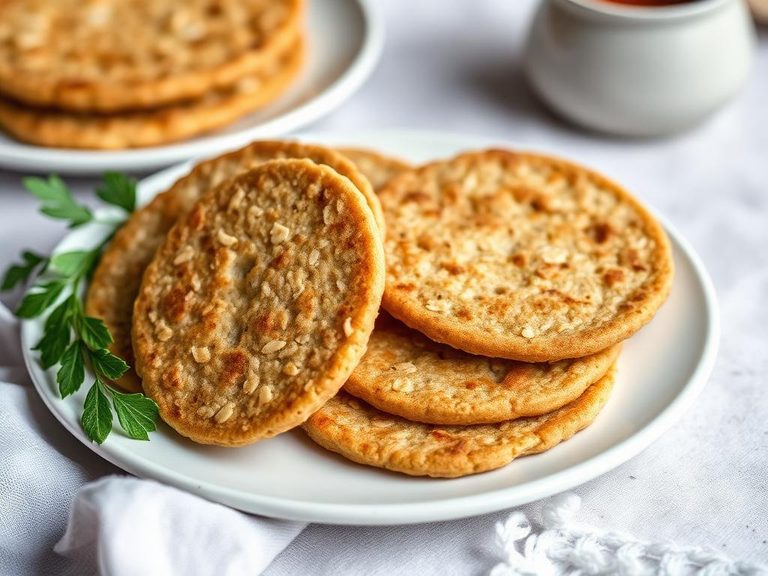
Scottish bannocks are a traditional, thick, round flatbread or scone-like bread, historically cooked on a griddle or 'girdle'. Their typical ingredients are simple and hearty, often consisting of oatmeal or barley flour, water or buttermilk, and a leavening agent like baking soda, sometimes with a pinch of salt. They are a staple from Scotland with deep roots in rural and working-class cuisine.
🍽️ Nutrition at a glance
Bannocks are primarily a high-carbohydrate food, providing substantial energy from their oat or barley base, with a moderate amount of protein and minimal fat unless prepared with added butter or fat. They are a good source of dietary fiber and minerals like iron and magnesium from the whole grains, with a rough calorie estimate of 200-300 per standard serving.
Nutrition breakdown
| Calories | 280 kcal |
| Protein | 6 g |
| Carbs | 45 g |
| Fat | 8 g |
| Fiber | 3 g |
| Sugar | 2 g |
| Sodium | 450 mg |
| Potassium | 180 mg |
| Iron | 2.5 mg |
| Calcium | 80 mg |
| Magnesium | 30 mg |
| Phosphorus | 120 mg |
| Thiamin (B1) | 0.3 mg |
| Niacin (B3) | 3 mg |
| Folate | 50 µg |
Per 1 bannock (approx. 100 g) · estimated, varies by recipe
💡 What's interesting
Culturally, bannocks are unique as a symbol of Scottish hearth and home, with regional variations like Selkirk or Aberdeen bannocks, and they were traditionally cooked on a 'bannock stone' over an open fire. Nutritionally, their use of whole oats or barley makes them a more fiber-rich and nutrient-dense alternative to many modern refined-flour breads.