Whale oil fried bannock
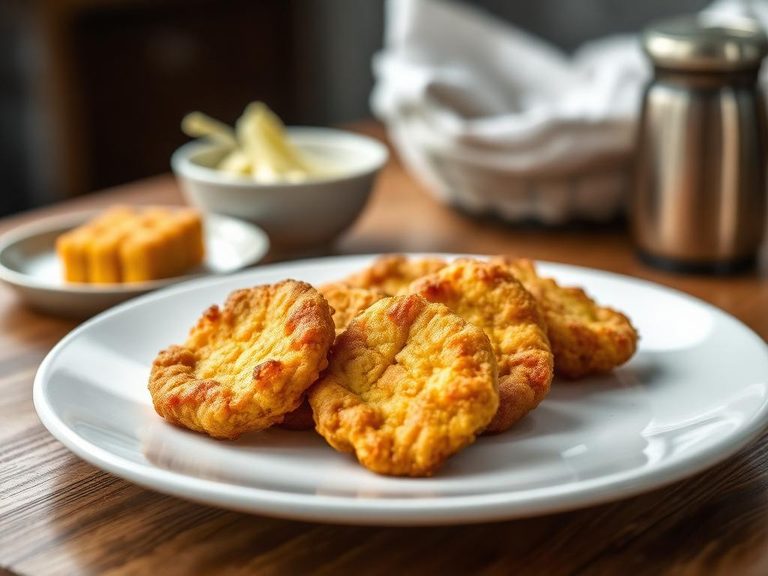
Whale oil fried bannock is a traditional Indigenous dish from Arctic and subarctic regions, particularly among Inuit and other First Nations communities. It consists of a simple, unleavened bread (bannock) fried in rendered whale oil, which was a historically vital and accessible cooking fat in the region.
🍽️ Nutrition at a glance
This dish is very high in fat and calories, providing a dense source of energy crucial for survival in cold climates. It is a significant source of calories and fat, with minimal protein and carbohydrates, and offers some fat-soluble vitamins.
Nutrition breakdown
| Calories | 450 kcal |
| Protein | 4 g |
| Carbs | 35 g |
| Fat | 32 g |
| Fiber | 1 g |
| Sugar | 1 g |
| Sodium | 300 mg |
| Vitamin A | 150 IU |
| Vitamin D | 2.5 mcg |
| Vitamin E | 3.2 mg |
| Vitamin K | 5 mcg |
| Iron | 1.8 mg |
| Phosphorus | 85 mg |
| Selenium | 8 mcg |
| Zinc | 0.8 mg |
Per 1 piece (100 g) · estimated, varies by recipe
💡 What's interesting
The use of whale oil is a profound example of traditional foodways adapting to the available resources of the Arctic environment, turning a marine mammal into a staple cooking fat. Nutritionally, it represents a historical strategy for obtaining high-calorie, energy-dense food in an environment where plant-based fats were scarce.