Whale oil pemmican
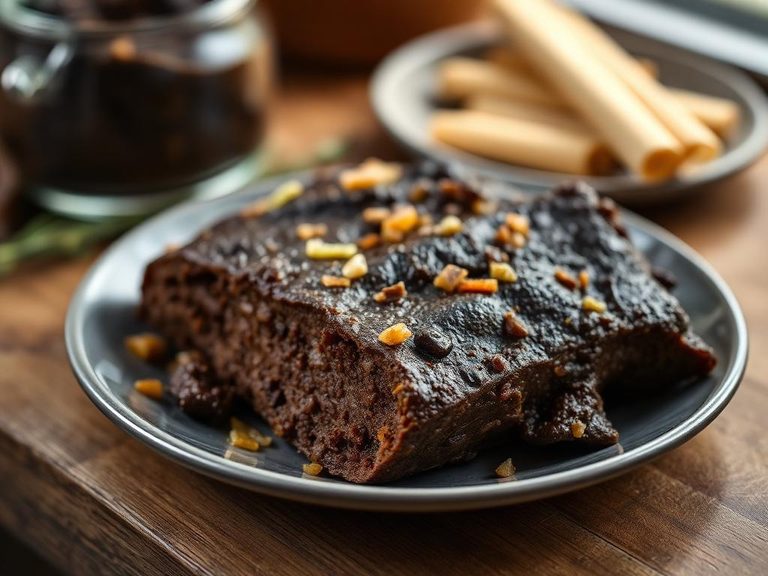
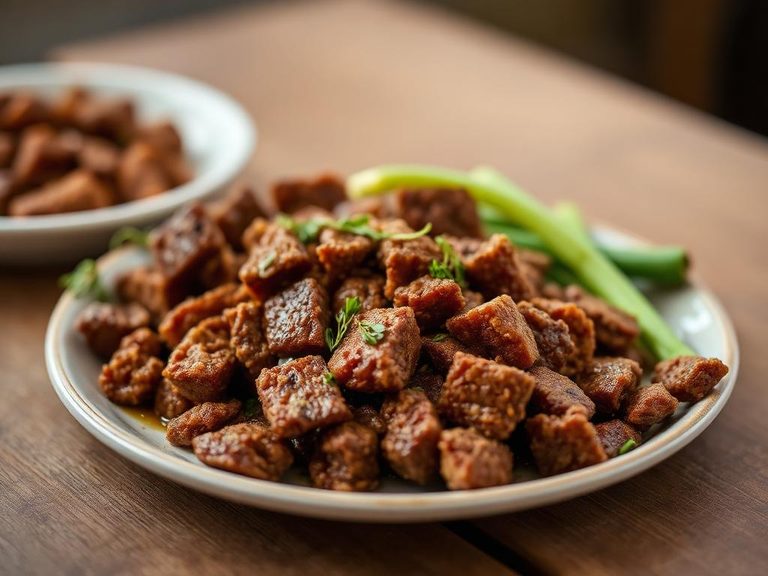
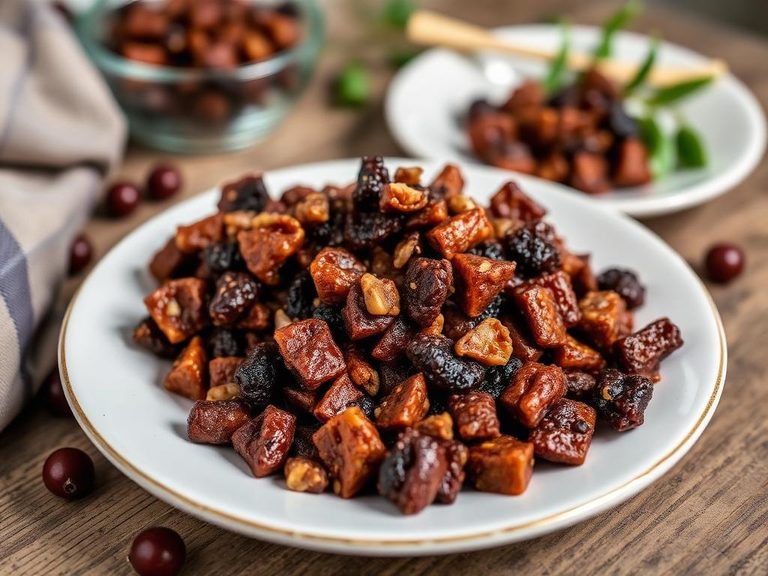
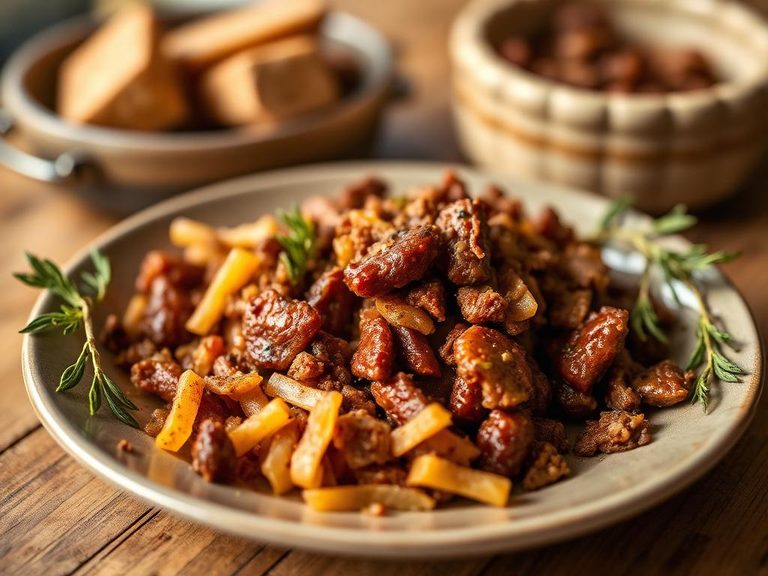
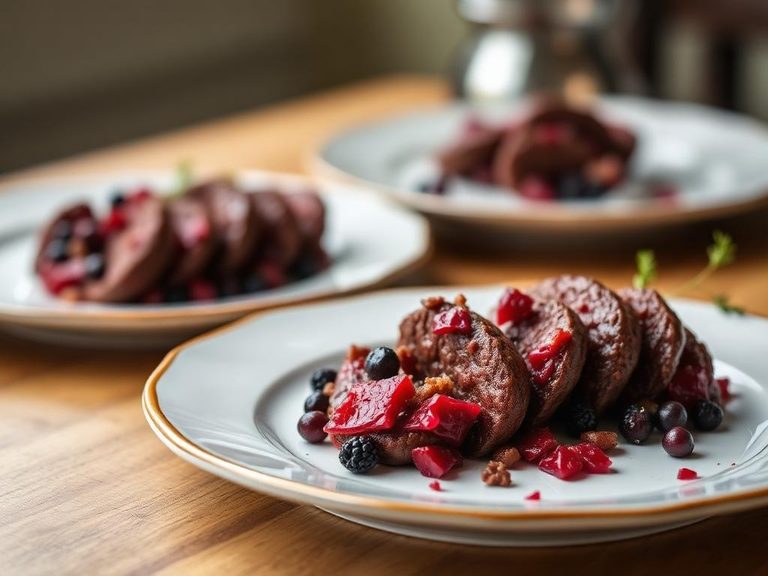
Whale oil pemmican is a traditional, high-energy preserved food historically made by Arctic Indigenous peoples, primarily the Inuit. It consists of rendered whale oil (often from bowhead or beluga), dried meat (typically caribou or seal), and sometimes berries, all mixed and stored in sealskin bags. This dense, calorie-rich staple was essential for survival during long, harsh winters and sea voyages.
🍽️ Nutrition at a glance
It is extremely high in fat and protein, with virtually no carbohydrates, providing a massive calorie density for energy and warmth. Key nutrients include omega-3 fatty acids, vitamin D, and iron, with a single serving easily exceeding 1,000 kcal.
Nutrition breakdown
| Calories | 900 kcal |
| Protein | 45 g |
| Carbs | 2 g |
| Fat | 75 g |
| Fiber | 0 g |
| Sugar | 0 g |
| Sodium | 300 mg |
| Vitamin D | 15 µg |
| Iron | 8 mg |
| Vitamin B12 | 20 µg |
| Omega-3 (EPA+DHA) | 2.5 g |
| Zinc | 6 mg |
| Selenium | 35 µg |
| Phosphorus | 400 mg |
| Niacin (B3) | 12 mg |
Per 100 g (about 3.5 oz) · estimated, varies by recipe
💡 What's interesting
Pemmican is a masterclass in food preservation and nutritional engineering, capable of lasting years without refrigeration. The combination of rendered fat and dried meat creates a near-perfect survival food, historically vital for both Indigenous Arctic cultures and later European fur traders and explorers.