Traditional pemmican ingredient
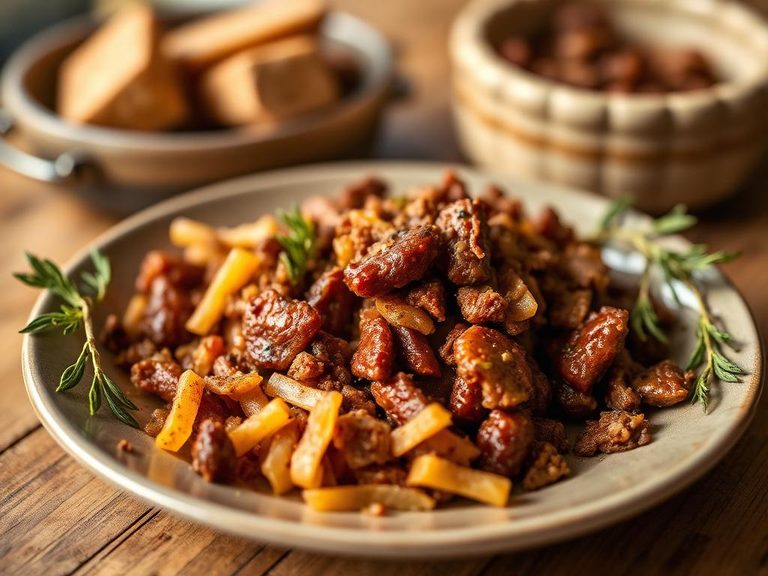
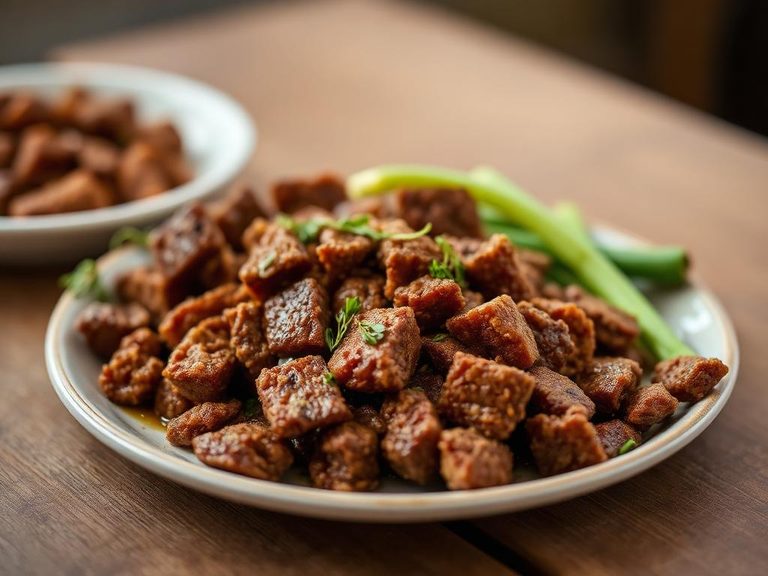
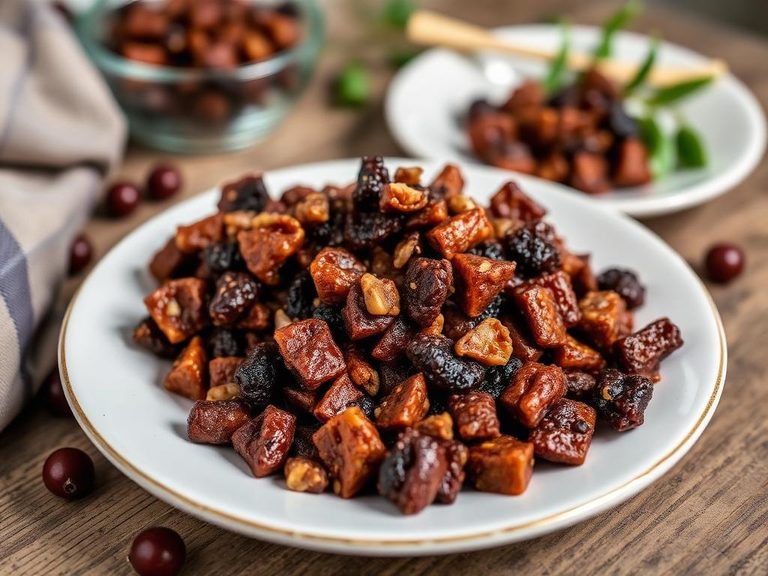
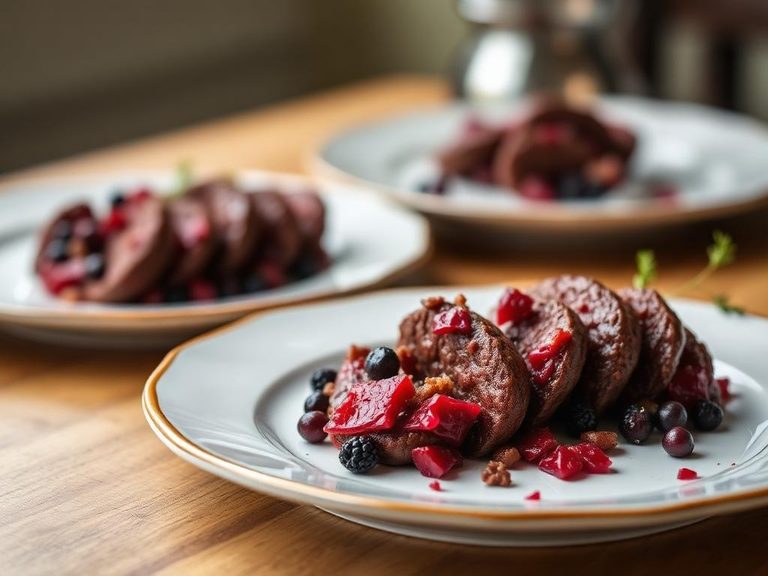
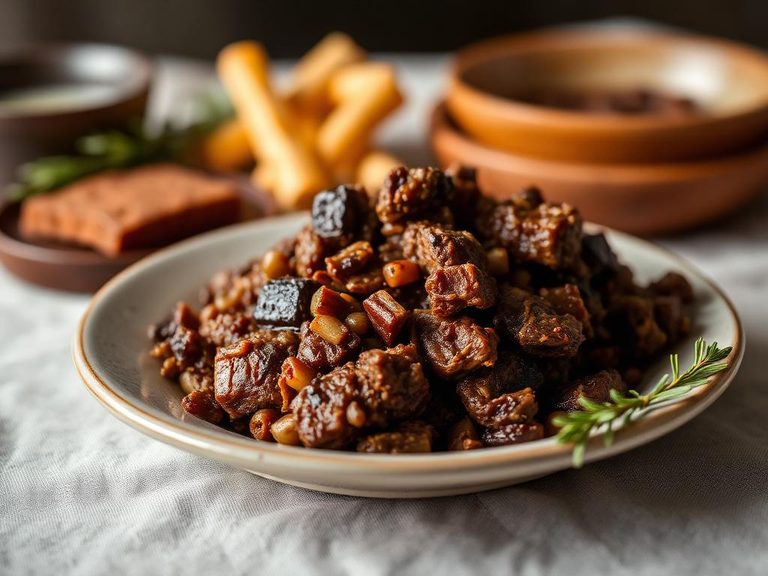
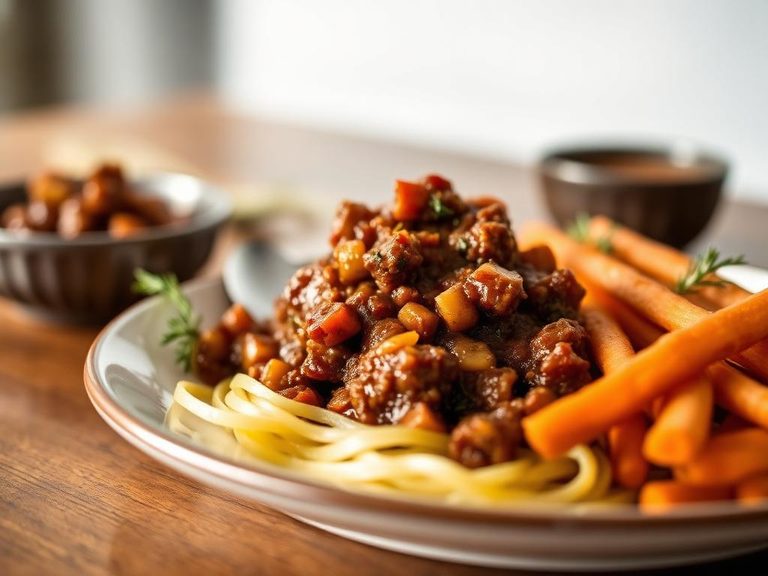
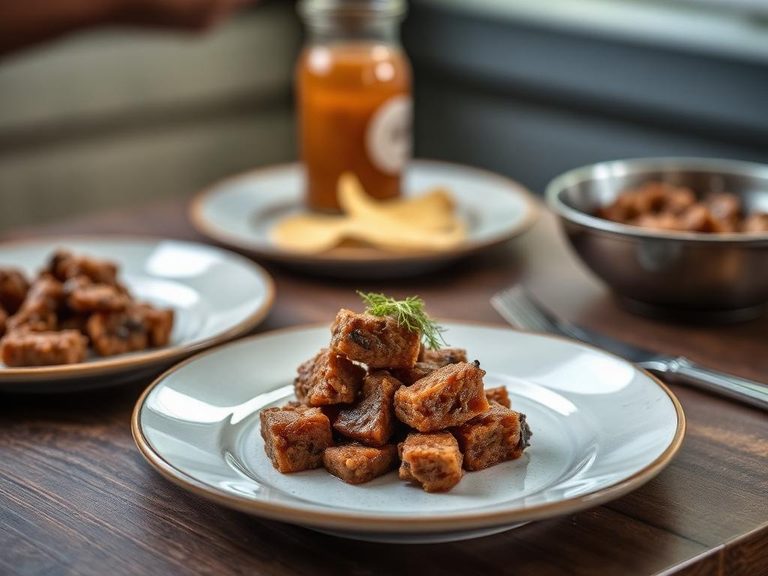
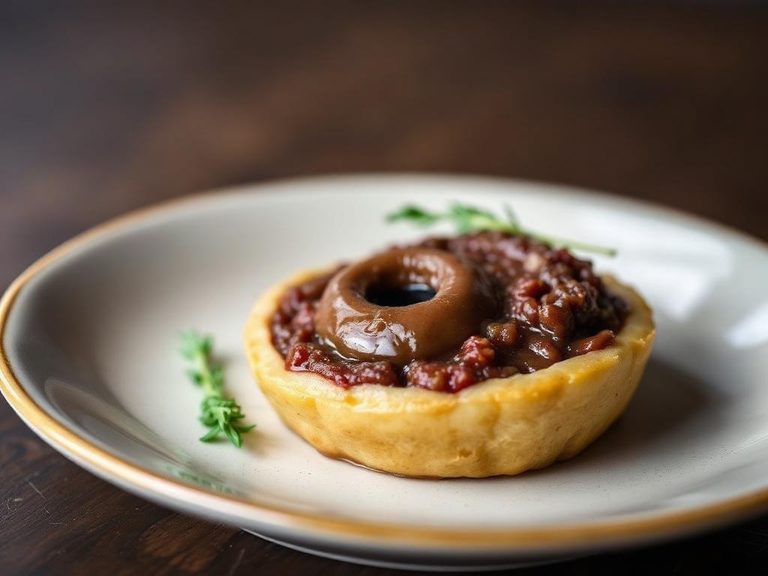
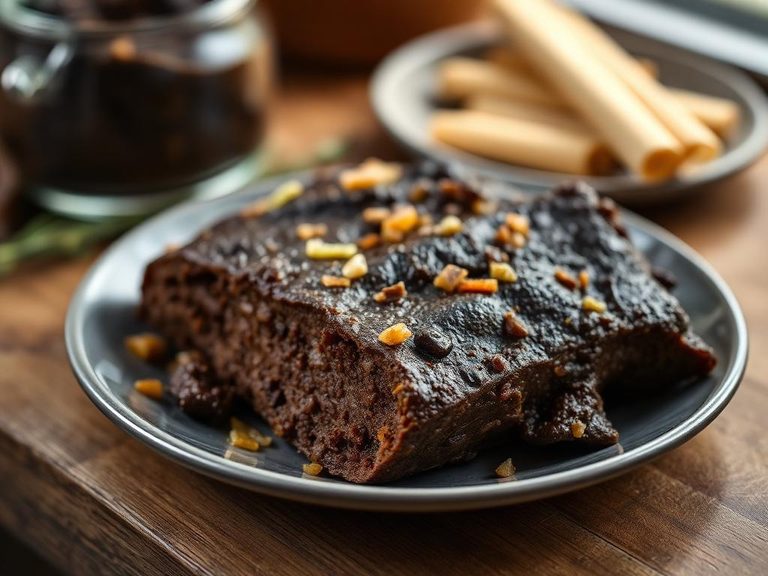
Pemmican is a traditional, energy-dense food originating from Indigenous peoples of North America, particularly the Plains and Arctic regions. Its core ingredients are rendered animal fat (tallow), dried meat (often bison, elk, or deer), and sometimes dried berries like saskatoon or chokecherries. It was a vital, long-lasting survival food for travel, trade, and harsh winters.
🍽️ Nutrition at a glance
Pemmican is exceptionally high in fat and protein, with virtually zero carbohydrates (unless berries are added). It provides a massive calorie density, with a typical 100g serving delivering roughly 500-600 kcal, making it one of the most efficient portable foods historically.
Nutrition breakdown
| Calories | 550 kcal |
| Protein | 30 g |
| Carbs | 2 g |
| Fat | 45 g |
| Fiber | 0.5 g |
| Sugar | 1 g |
| Sodium | 150 mg |
| Iron | 4.5 mg |
| Zinc | 6 mg |
| Vitamin B12 | 2.5 mcg |
| Niacin (B3) | 8 mg |
| Selenium | 25 mcg |
| Phosphorus | 280 mg |
| Potassium | 320 mg |
| Vitamin D | 0.2 mcg |
Per 1 piece (100 g) · estimated, varies by recipe
💡 What's interesting
What makes pemmican unique is its perfect balance of macronutrients for sustained energy and its remarkable shelf life—when stored properly, it can last for years without spoiling, a feat achieved long before modern food preservation.