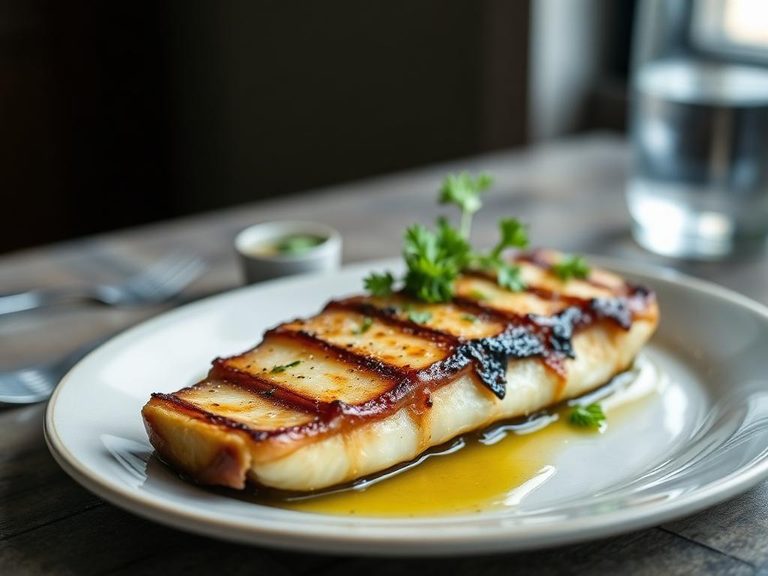
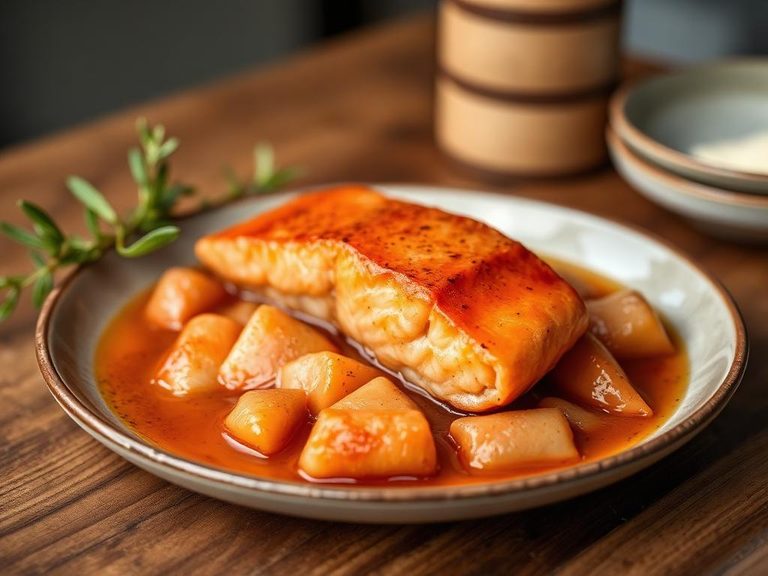
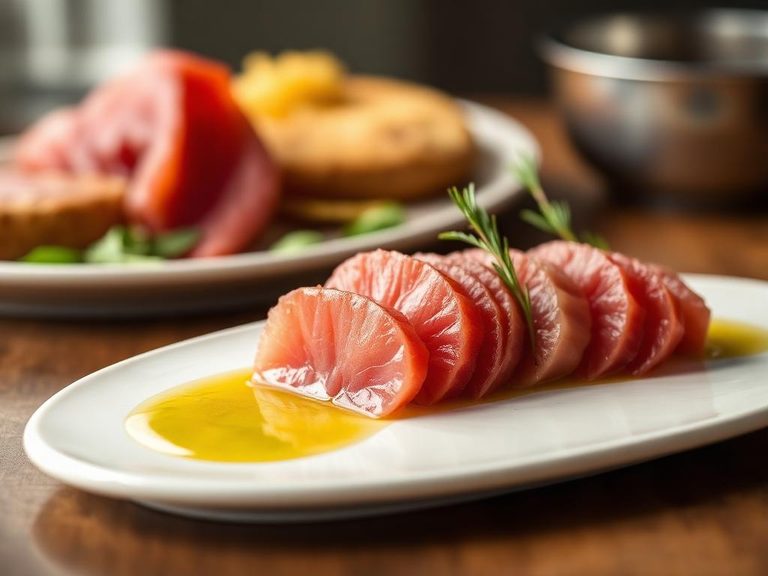
Seal oil for frying bannock
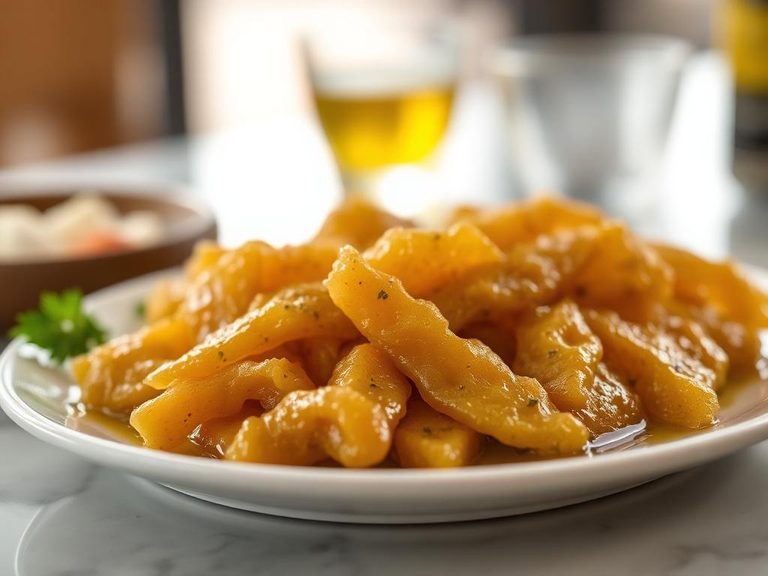
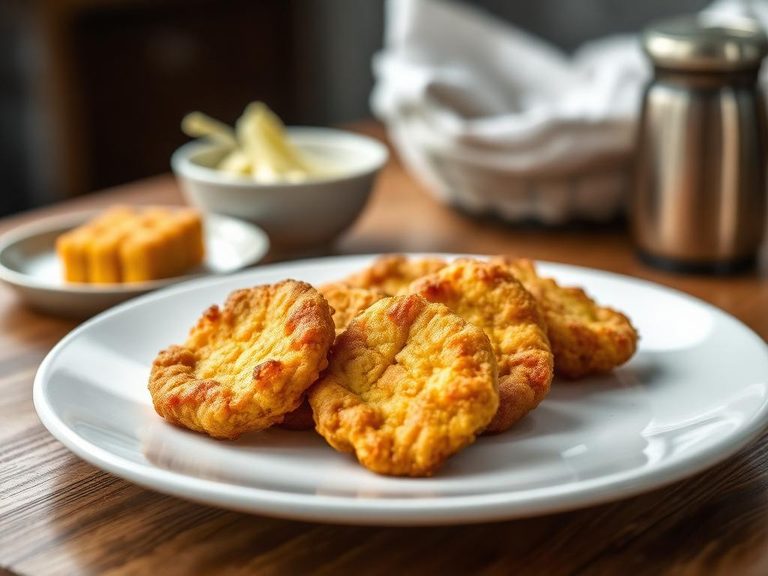
Seal oil for frying bannock is a traditional Indigenous dish from Arctic and sub-Arctic regions, particularly among Inuit and other First Nations communities. It involves frying a simple bread dough, known as bannock, in rendered seal oil, which imparts a distinct, rich flavor. This preparation method is a practical and culturally significant way to use locally sourced resources in harsh climates.
🍽️ Nutrition at a glance
This dish is high in fat and carbohydrates, providing a dense source of energy crucial for cold environments. Key nutrients include omega-3 fatty acids from the seal oil, along with iron and vitamin D, with a typical serving containing roughly 400-500 calories.
Nutrition breakdown
| Calories | 450 kcal |
| Protein | 7 g |
| Carbs | 35 g |
| Fat | 32 g |
| Fiber | 2 g |
| Sugar | 2 g |
| Sodium | 380 mg |
| Vitamin D | 4.2 mcg |
| Iron | 2.1 mg |
| Potassium | 110 mg |
| Vitamin B12 | 1.5 mcg |
| Selenium | 8.5 mcg |
| Zinc | 1.2 mg |
| Vitamin A | 15 mcg |
| Vitamin E | 1.8 mg |
Per 1 piece (120 g) · estimated, varies by recipe
💡 What's interesting
Using seal oil for frying is a unique culinary practice that connects to traditional food sovereignty and survival skills in the Arctic. Nutritionally, the oil is exceptionally rich in long-chain omega-3s like EPA and DHA, which are vital for brain and heart health.