Egg Yokan

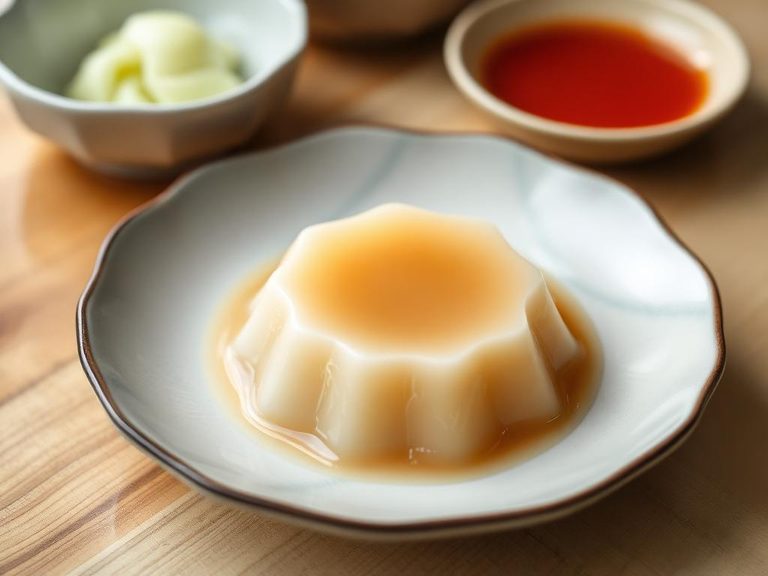
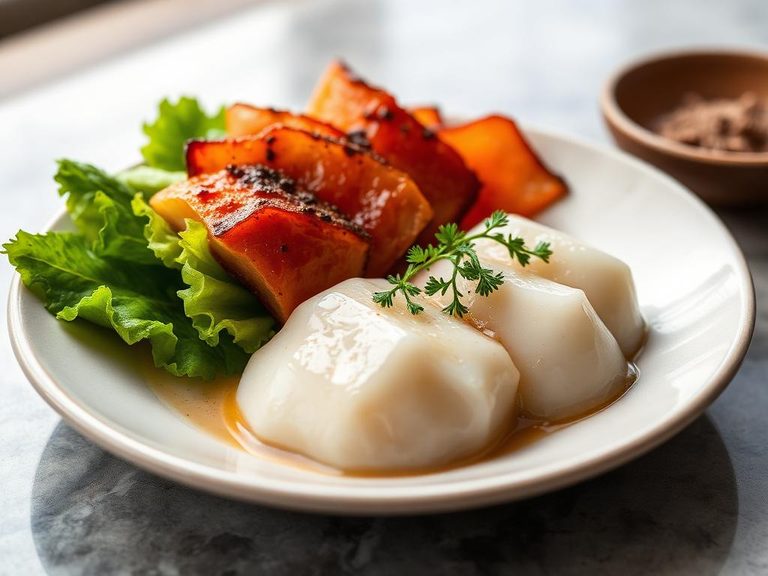
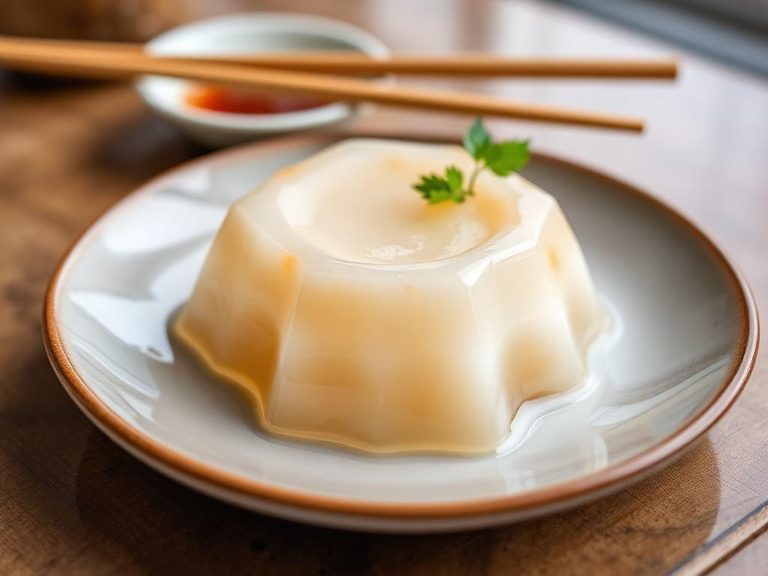
Egg Yokan is a traditional Japanese chilled dessert made primarily from agar-agar (kanten), sugar, and eggs, resulting in a smooth, jelly-like texture. It is a variation of the more common bean paste yokan, often enjoyed during summer months for its refreshing quality. This sweet treat is a staple in Japanese confectionery (wagashi) and is sometimes served during tea ceremonies.
🍽️ Nutrition at a glance
Egg Yokan is high in carbohydrates due to its sugar content, with moderate protein from the eggs and minimal fat. It provides quick energy and small amounts of iron and B vitamins from the eggs, with a typical serving containing around 150-200 calories.
Nutrition breakdown
| Calories | 180 kcal |
| Protein | 4 g |
| Carbs | 35 g |
| Fat | 2 g |
| Fiber | 0.5 g |
| Sugar | 30 g |
| Sodium | 30 mg |
| Iron | 1.2 mg |
| Vitamin B12 | 0.3 mcg |
| Riboflavin (B2) | 0.1 mg |
| Selenium | 6 mcg |
| Phosphorus | 50 mg |
| Choline | 25 mg |
Per 1 piece (100 g) · estimated, varies by recipe
💡 What's interesting
Culturally, Egg Yokan reflects the Japanese appreciation for seasonal foods and minimalist ingredients, often served in elegant, simple presentations. Nutritionally, it offers a light, low-fat alternative to richer desserts while still providing a satisfying sweetness.