Yokan
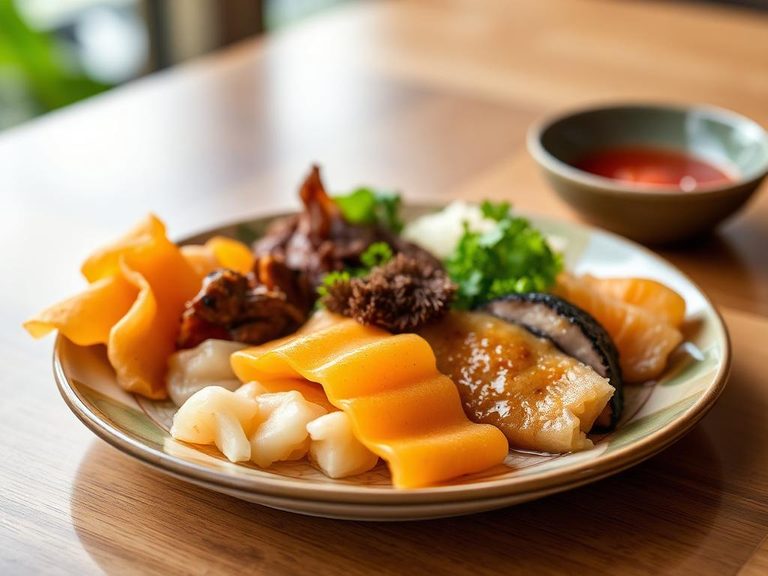
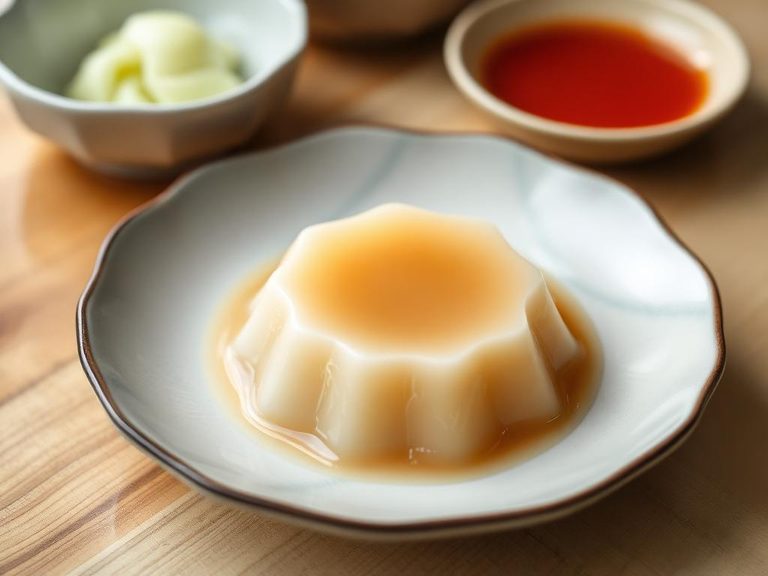
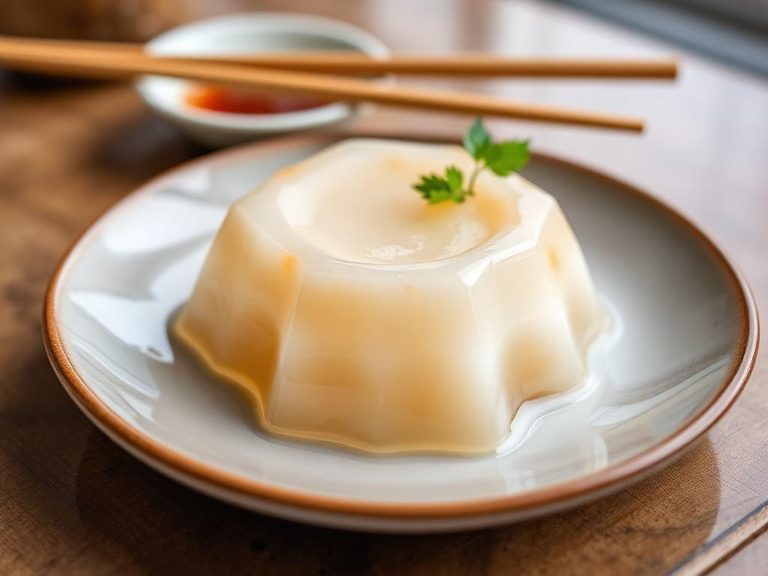
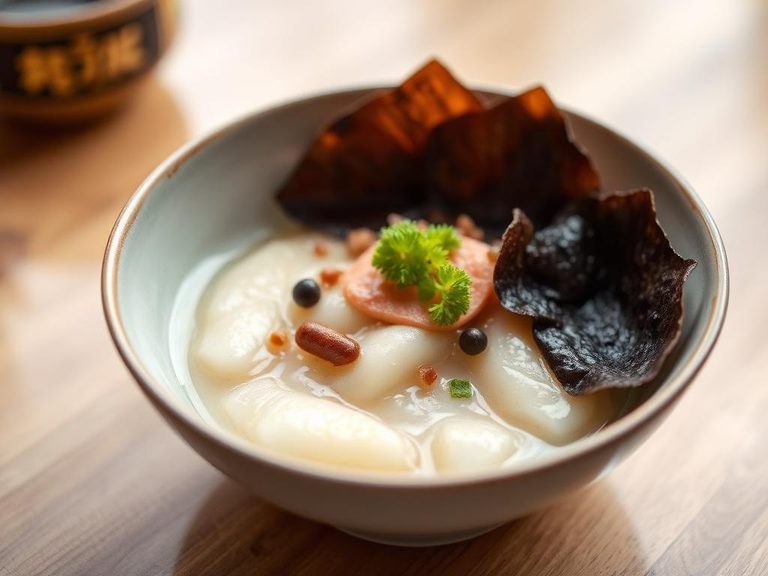
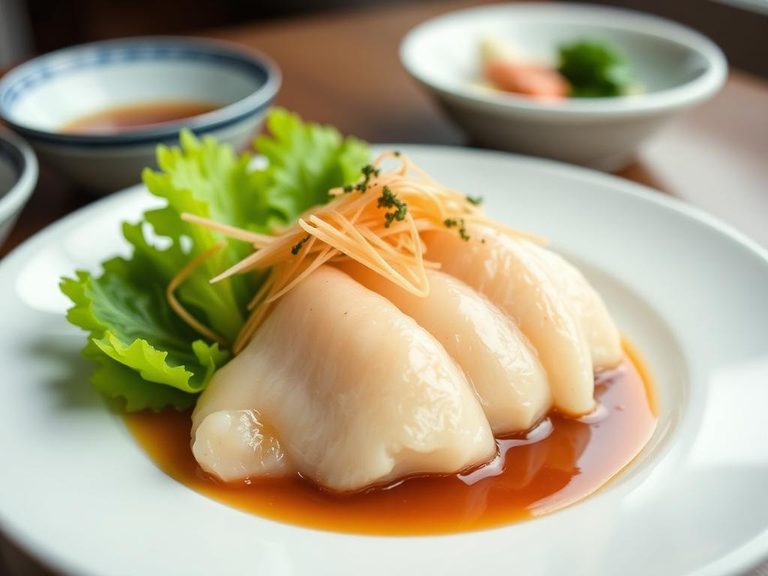
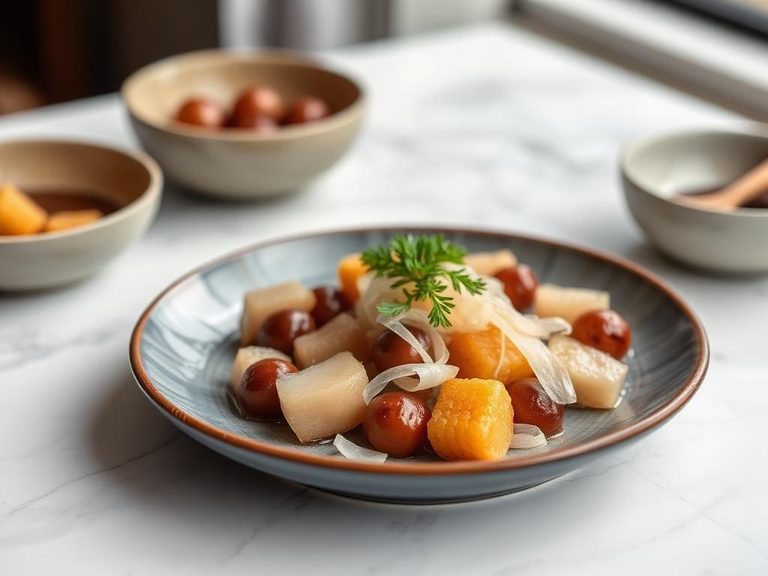
Yokan is a traditional Japanese jellied dessert, typically made from red bean paste (anko), agar-agar (kanten), and sugar. It is set into a firm, smooth block and often sliced into neat rectangles for serving. This classic wagashi (Japanese sweet) is especially popular during tea ceremonies and festive occasions.
🍽️ Nutrition at a glance
Yokan is primarily a high-carbohydrate food, with its calories coming almost entirely from sugars and starches. It provides a quick source of energy and contains small amounts of minerals like potassium and iron from the red beans, with a typical serving containing around 150-200 calories.
Nutrition breakdown
| Calories | 170 kcal |
| Protein | 2.5 g |
| Carbs | 38 g |
| Fat | 0.2 g |
| Fiber | 1.5 g |
| Sugar | 28 g |
| Sodium | 15 mg |
| Potassium | 120 mg |
| Iron | 0.8 mg |
| Magnesium | 15 mg |
| Phosphorus | 30 mg |
| Manganese | 0.2 mg |
| Copper | 0.1 mg |
| Zinc | 0.3 mg |
| Folate | 10 µg |
Per 1 slice (approx. 80 g) · estimated, varies by recipe
💡 What's interesting
Culturally, yokan is a quintessential wagashi, artfully crafted to reflect the seasons and often served with matcha to balance its sweetness. Nutritionally, the use of agar-agar (a seaweed-derived gelatin) makes it a plant-based, fat-free dessert that is also a good source of soluble fiber.