Neri-yokan
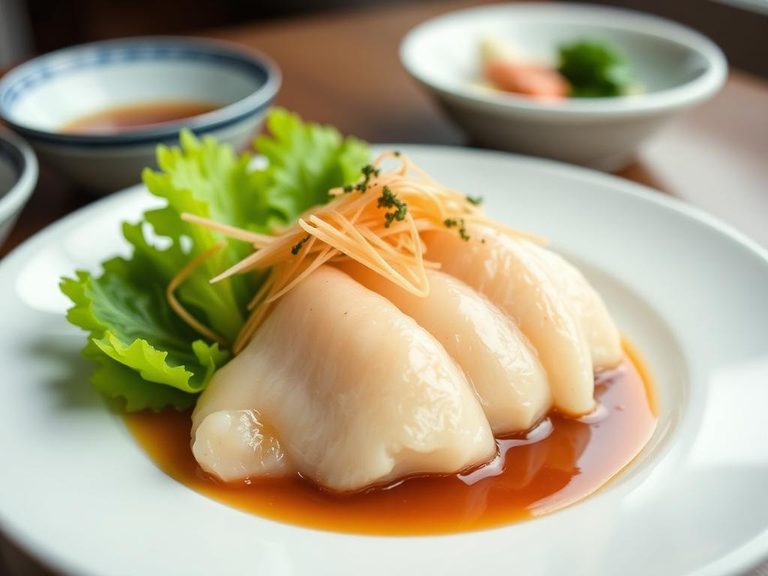
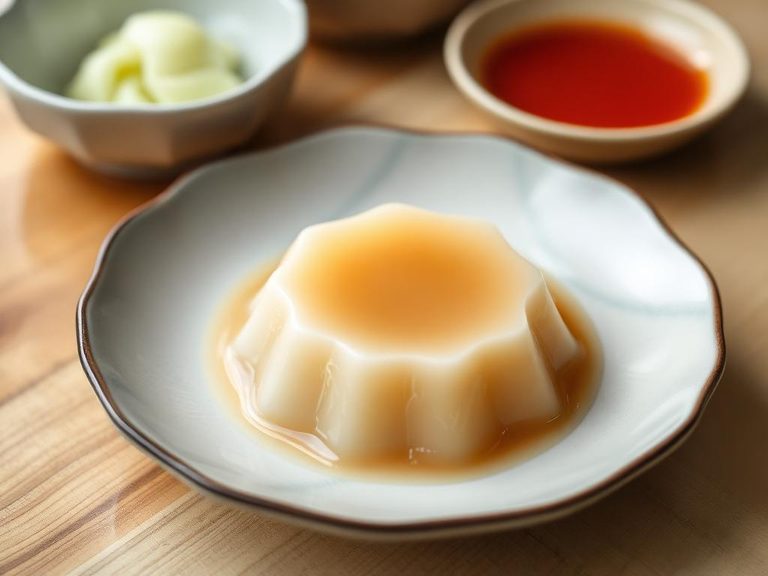
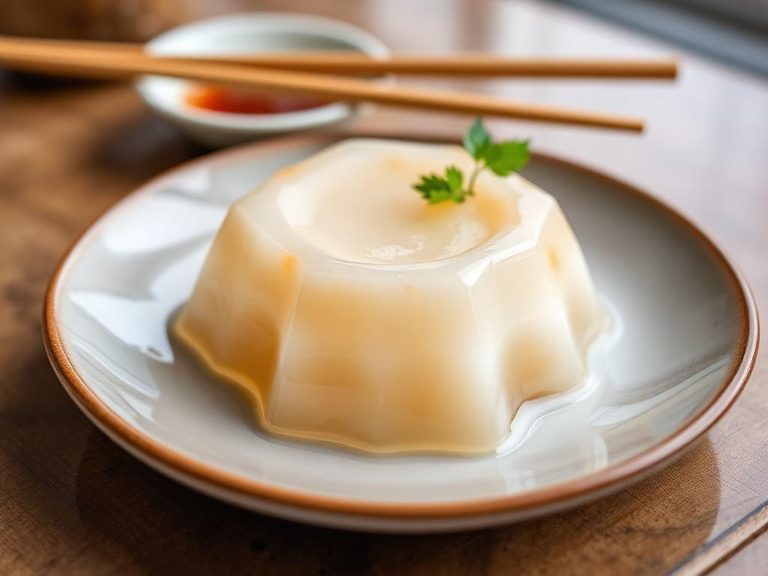
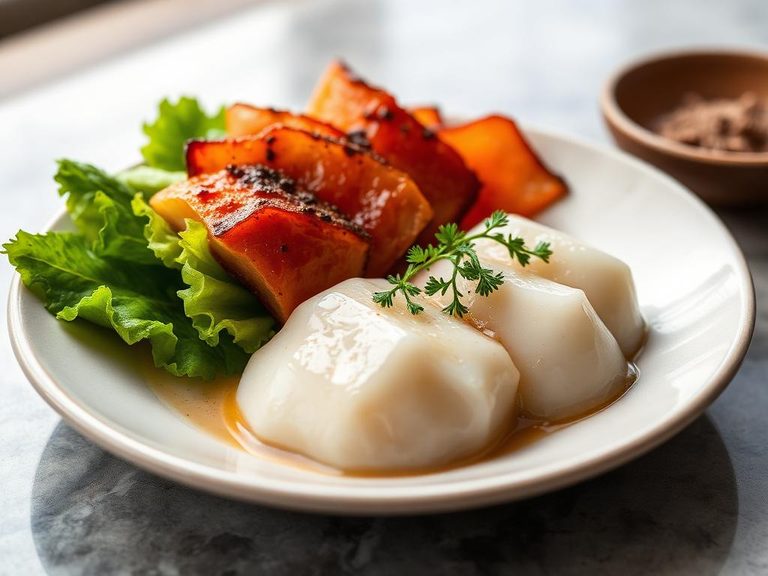
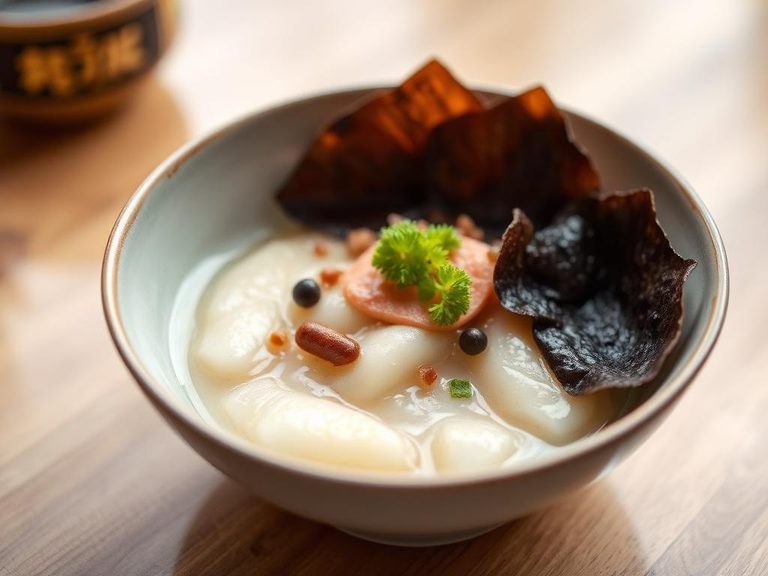
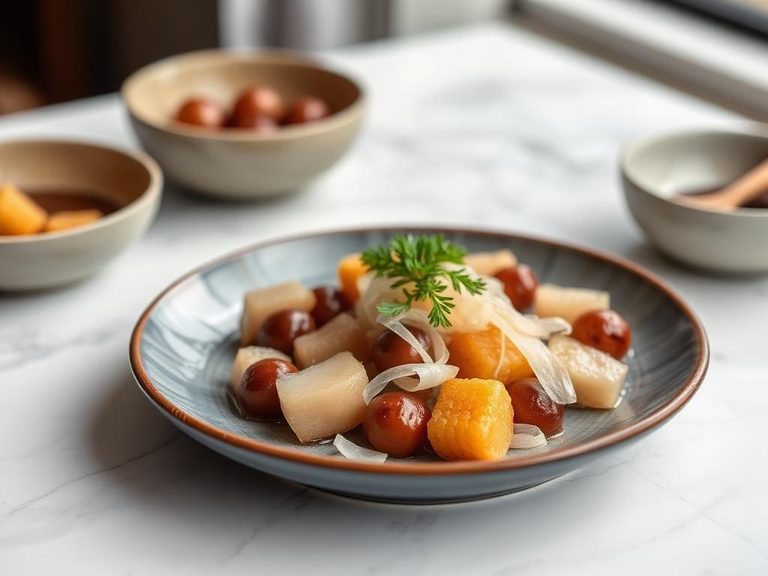
Neri-yokan is a traditional Japanese confectionery, specifically a type of yokan, which is a thick, jellied dessert. It is typically made from red bean paste (anko), agar-agar (kanten), and sugar, resulting in a smooth, dense, and sliceable texture. This sweet treat is often enjoyed during tea ceremonies and as a seasonal dessert.
🍽️ Nutrition at a glance
Neri-yokan is high in carbohydrates, primarily from sugar and the starch in the red beans, providing a quick source of energy. A typical serving offers some dietary fiber and small amounts of minerals like potassium and iron, with a calorie count around 150-200 kcal per piece.
Nutrition breakdown
| Calories | 170 kcal |
| Protein | 2 g |
| Carbs | 38 g |
| Fat | 0.5 g |
| Fiber | 2 g |
| Sugar | 28 g |
| Sodium | 10 mg |
| Potassium | 120 mg |
| Iron | 0.8 mg |
| Magnesium | 25 mg |
| Phosphorus | 40 mg |
| Manganese | 0.3 mg |
| Copper | 0.1 mg |
| Vitamin B1 (Thiamine) | 0.05 mg |
| Folate | 15 µg |
Per 1 piece (80 g) · estimated, varies by recipe
💡 What's interesting
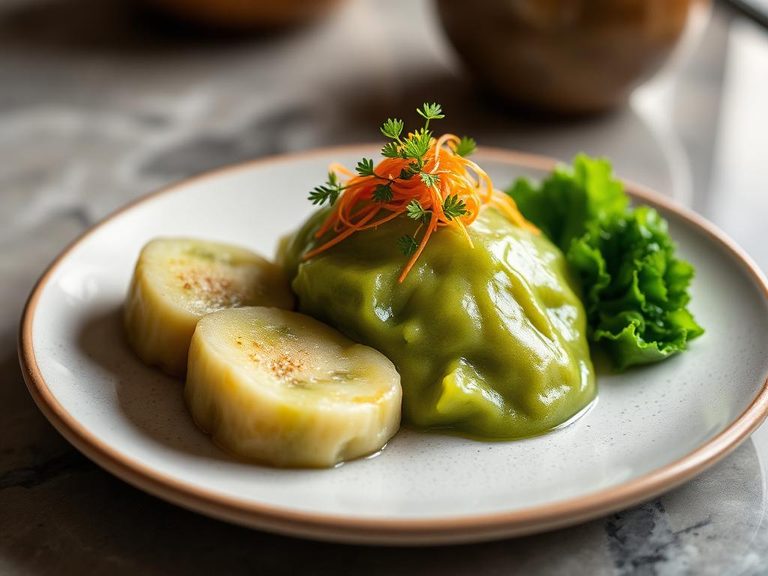
Culturally, neri-yokan is a staple of 'wagashi' (Japanese sweets) and is often shaped or colored to reflect the current season, such as using matcha for green or chestnut for autumn. Nutritionally, the red beans provide plant-based protein and fiber, making it a slightly more balanced sweet compared to many Western confections.