Crumble or Cobbler Filling
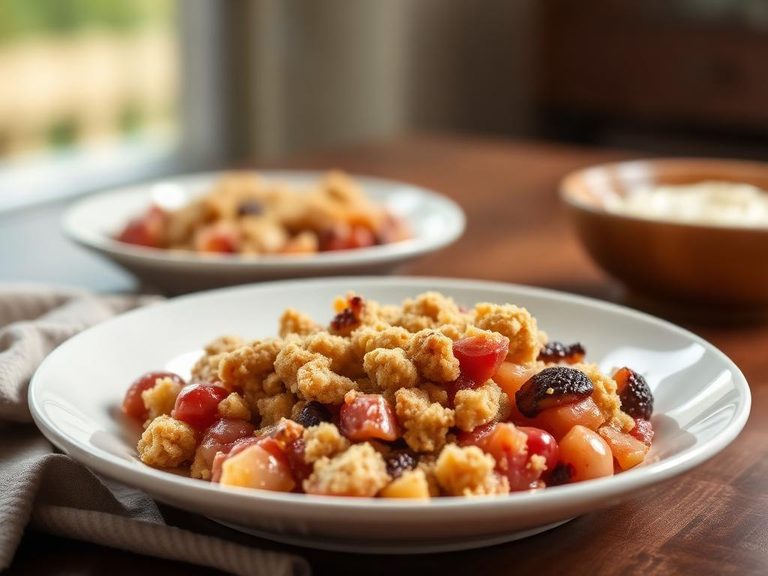
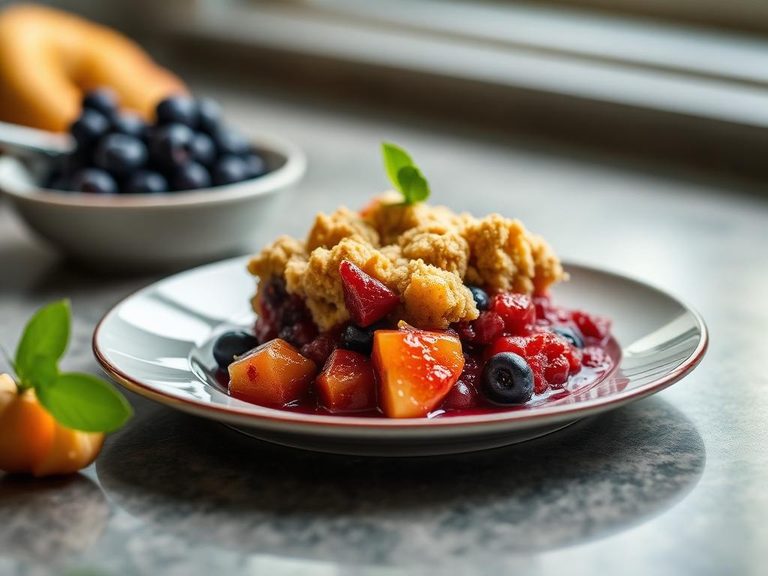
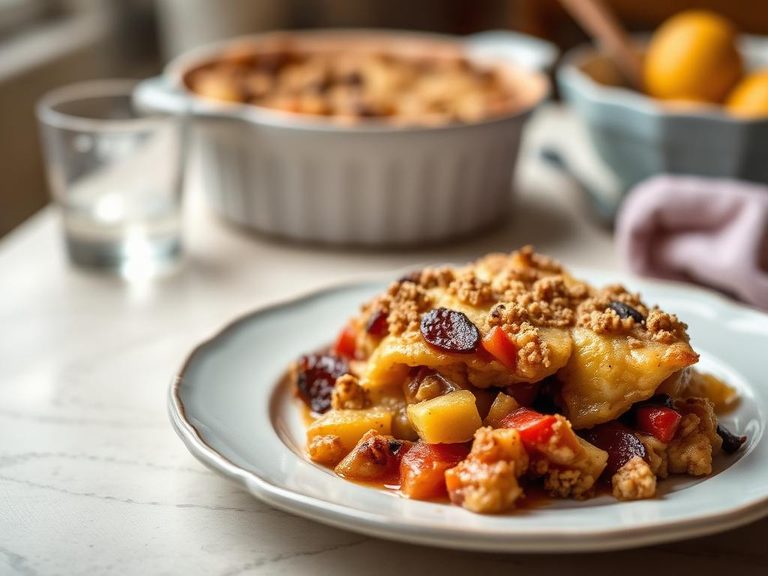
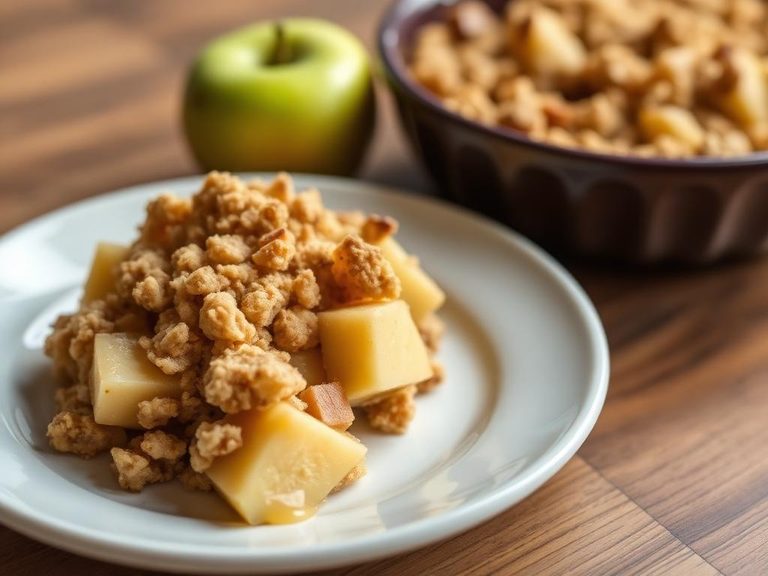
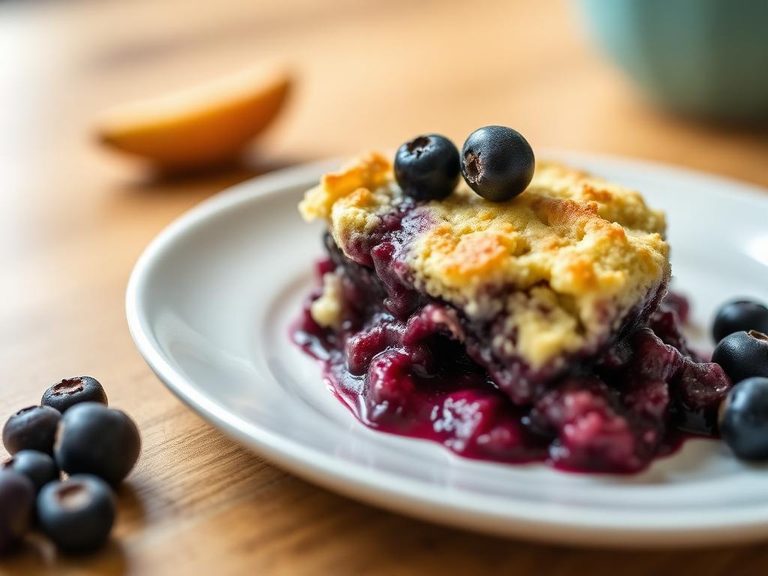
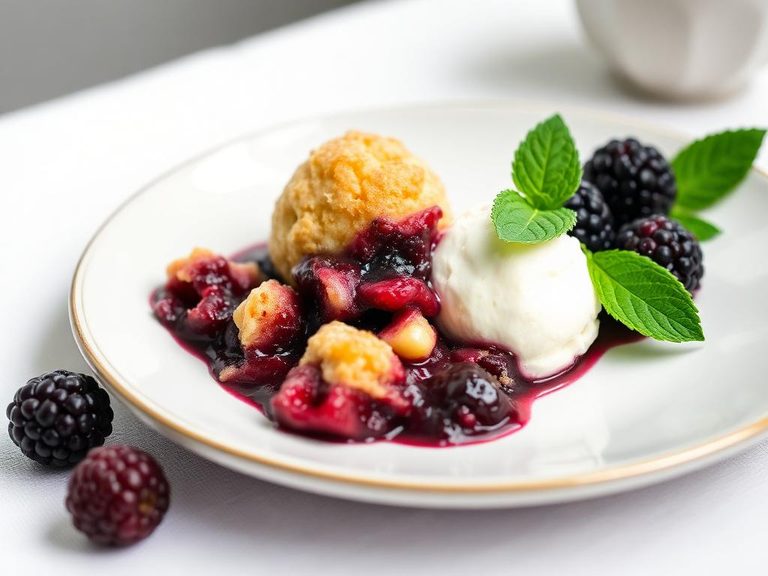
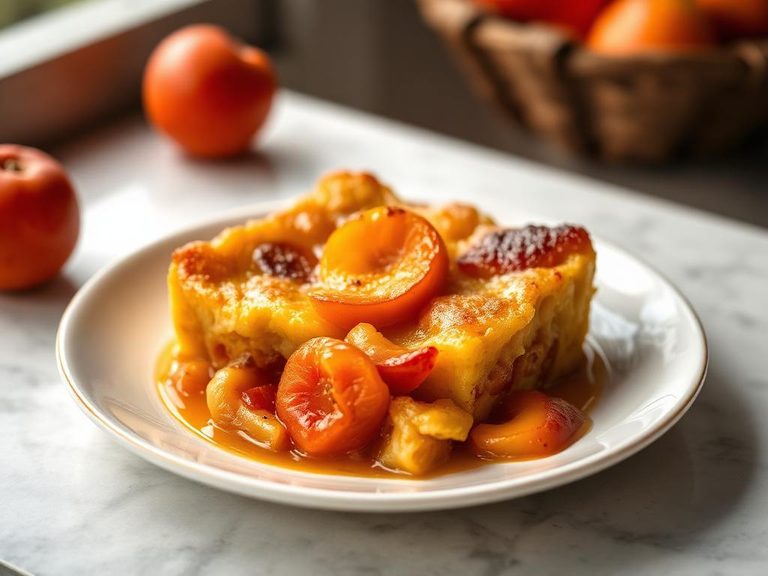
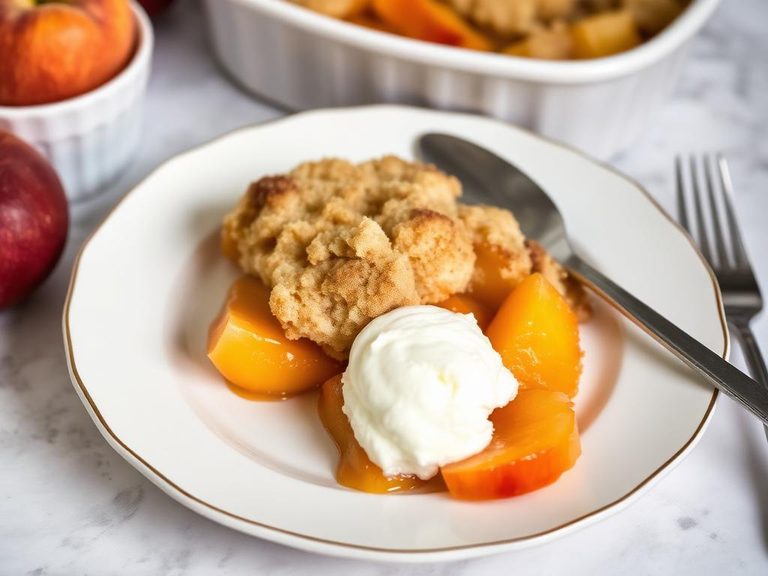
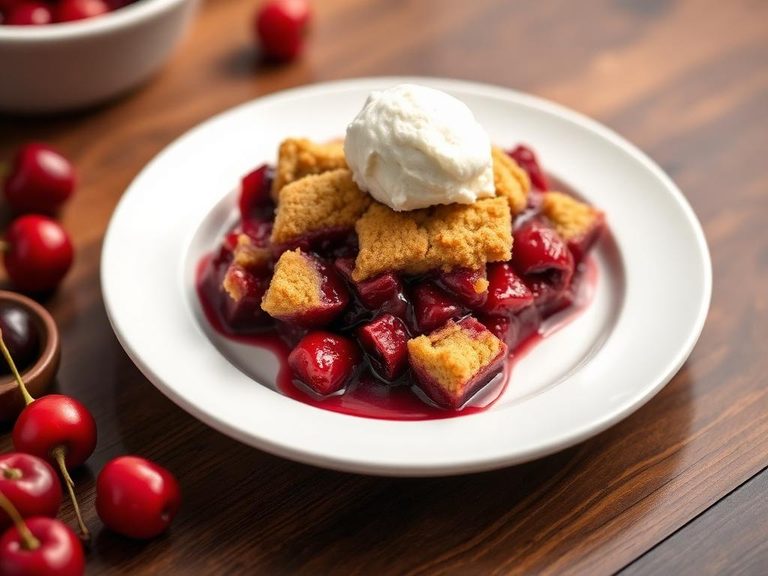
Crumble or cobbler filling is the sweet, cooked fruit base found in classic baked desserts, typically made with fruits like apples, berries, or peaches, sugar, and warm spices. It originates from British and American home baking traditions, where it's layered under a crumbly topping (crumble) or a biscuit-like dough (cobbler). The filling is the flavorful heart of the dish, often bubbling with caramelized juices.
🍽️ Nutrition at a glance
This filling is high in carbohydrates from natural fruit sugars and added sweeteners, with minimal fat or protein. It provides key nutrients like vitamin C (from berries or citrus), potassium (from stone fruits), and dietary fiber, and a typical serving ranges from 150-250 calories depending on fruit type and sugar content.
Nutrition breakdown
| Calories | 200 kcal |
| Protein | 1.5 g |
| Carbs | 48 g |
| Fat | 0.5 g |
| Fiber | 4 g |
| Sugar | 38 g |
| Sodium | 10 mg |
| Vitamin C | 15 mg |
| Potassium | 300 mg |
| Manganese | 0.3 mg |
| Vitamin A | 120 IU |
| Iron | 0.5 mg |
| Calcium | 20 mg |
| Magnesium | 15 mg |
| Phosphorus | 30 mg |
Per 1 cup (240 g) · estimated, varies by recipe
💡 What's interesting
Culturally, crumble fillings evolved as a resourceful way to use seasonal or overripe fruit, becoming a comfort food staple in both UK and US cuisines. Nutritionally, the fruit base can retain antioxidants like anthocyanins (in berries) even after baking, making it a slightly more wholesome dessert option compared to purely processed sweets.