

Chocolate-covered shortbread
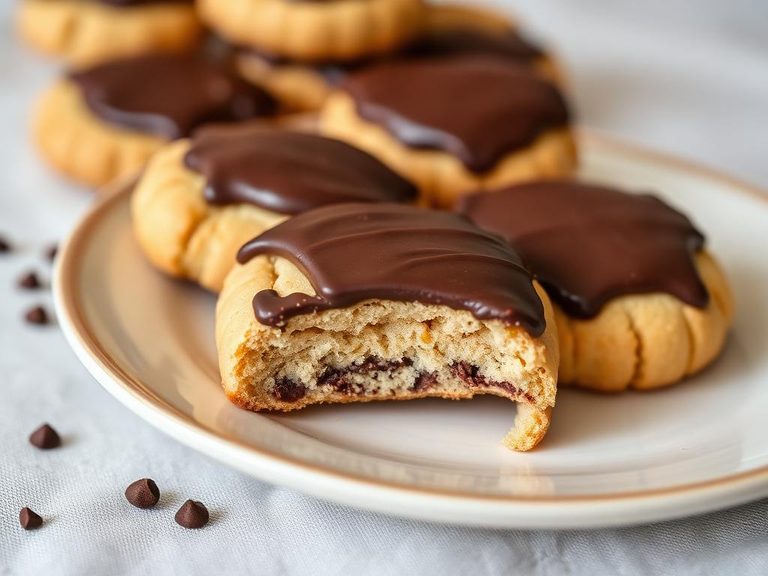
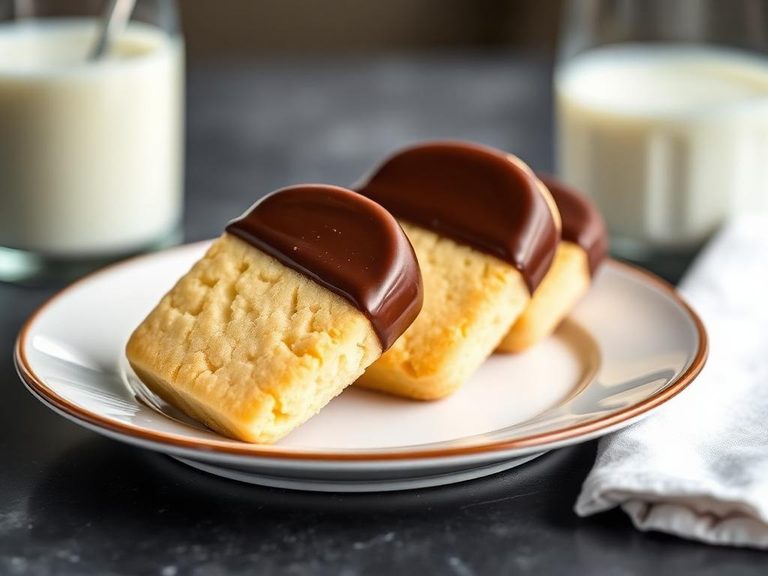
Chocolate-covered shortbread is a classic confection consisting of a buttery, crumbly shortbread biscuit partially or fully dipped in a smooth chocolate coating. The shortbread base is traditionally made from just three core ingredients: flour, butter, and sugar, while the coating can be dark, milk, or white chocolate. This treat is a staple in British and Scottish baking traditions, often associated with tea time and holiday gifting.
🍽️ Nutrition at a glance
This is a high-fat and high-carbohydrate treat, with the butter in the shortbread and the cocoa butter in the chocolate contributing to its rich energy density. A typical serving (one biscuit) provides a quick source of energy from fats and sugars, along with small amounts of calcium and antioxidants from the chocolate, and generally falls in the 100-150 calorie range.
Nutrition breakdown
| Calories | 200 kcal |
| Protein | 2.5 g |
| Carbs | 22 g |
| Fat | 12 g |
| Fiber | 1 g |
| Sugar | 12 g |
| Sodium | 90 mg |
| Calcium | 20 mg |
| Iron | 1.2 mg |
| Potassium | 80 mg |
| Magnesium | 15 mg |
| Phosphorus | 40 mg |
| Vitamin A | 15 mcg |
| Vitamin E | 0.5 mg |
| Niacin (B3) | 0.4 mg |
Per 2 cookies (40 g) · estimated, varies by recipe
💡 What's interesting
The name 'shortbread' comes from its 'short' texture, a baking term indicating a high fat content that inhibits gluten formation, resulting in a delightfully crumbly, melt-in-the-mouth quality. Nutritionally, while it's an indulgence, high-quality dark chocolate coatings can offer a modest dose of flavonoids, antioxidants that are less associated with the more common milk chocolate versions.
🍽️ Related dishes


AI estimate may be inaccurate · Terms