Brown Rice Sushi
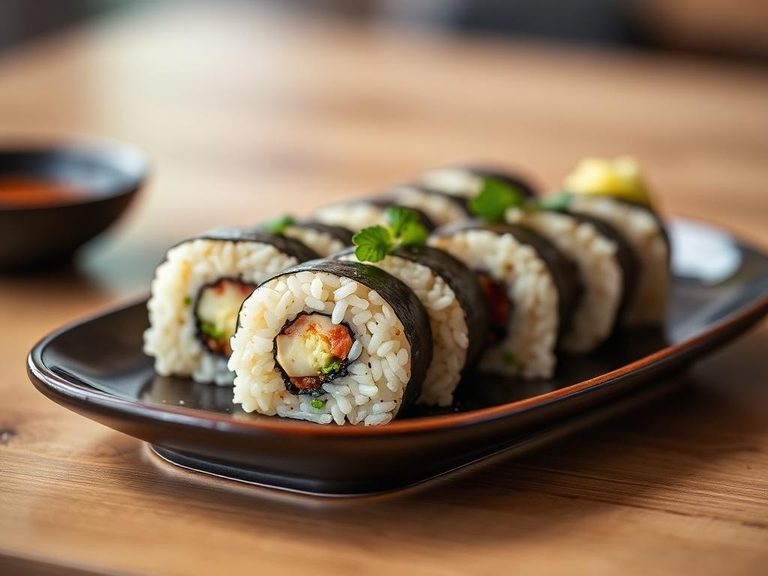
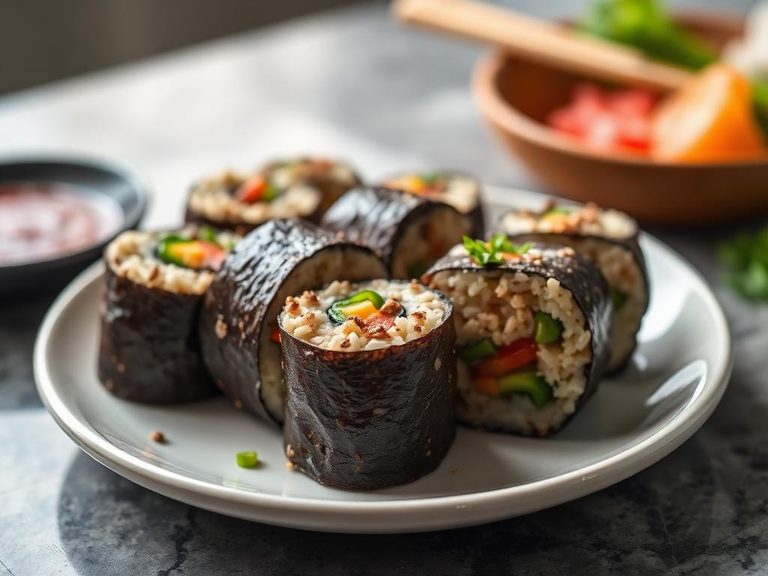
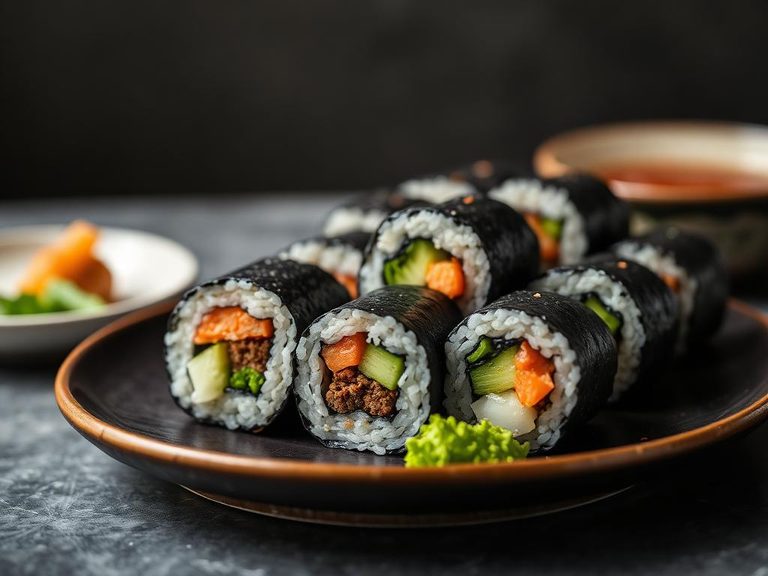
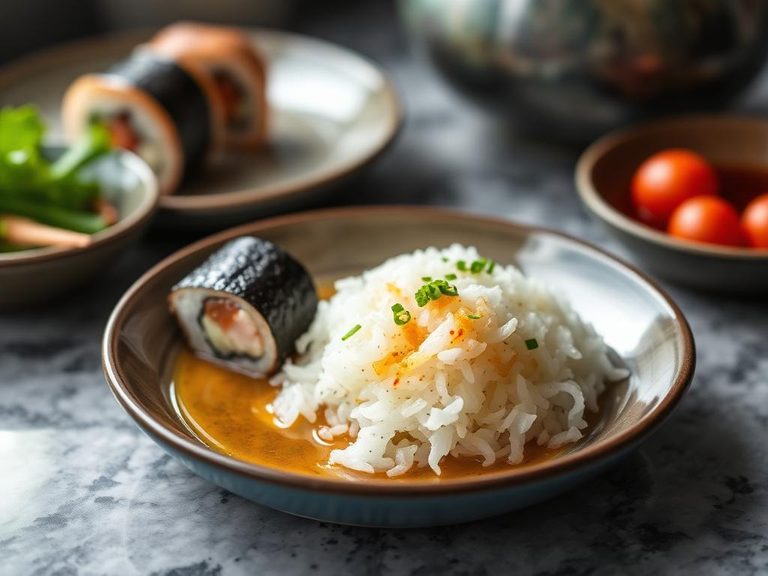
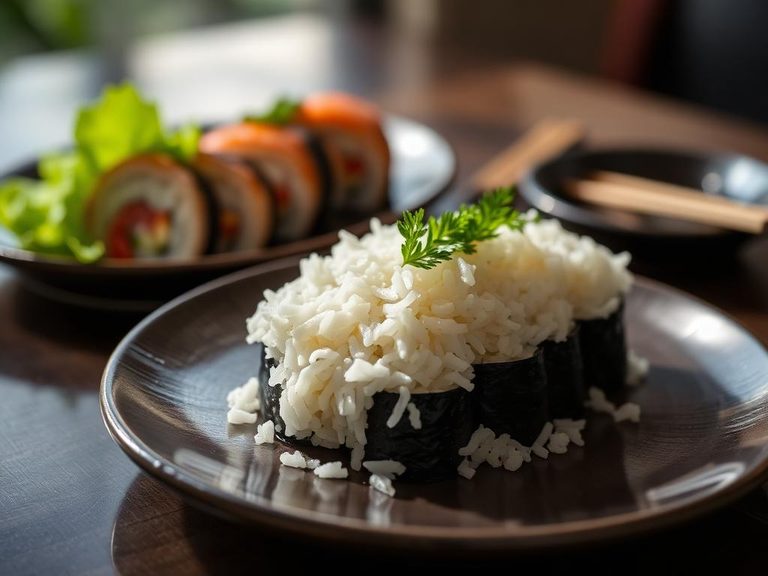
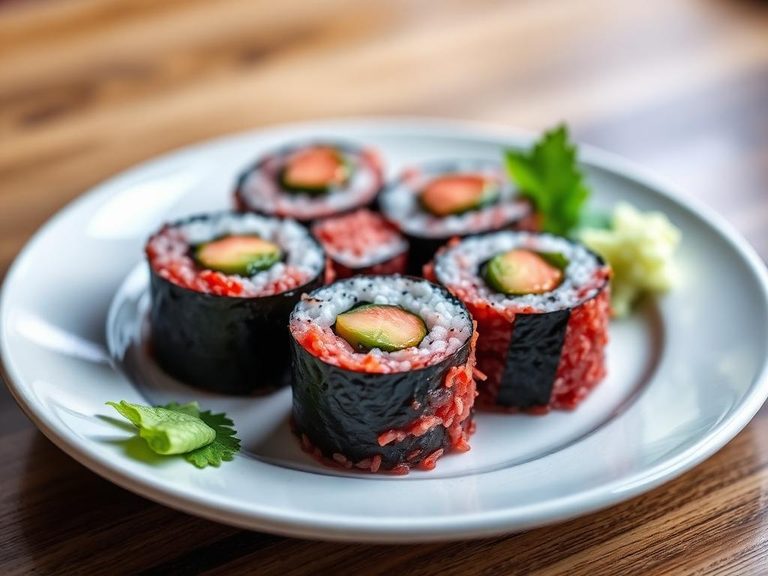
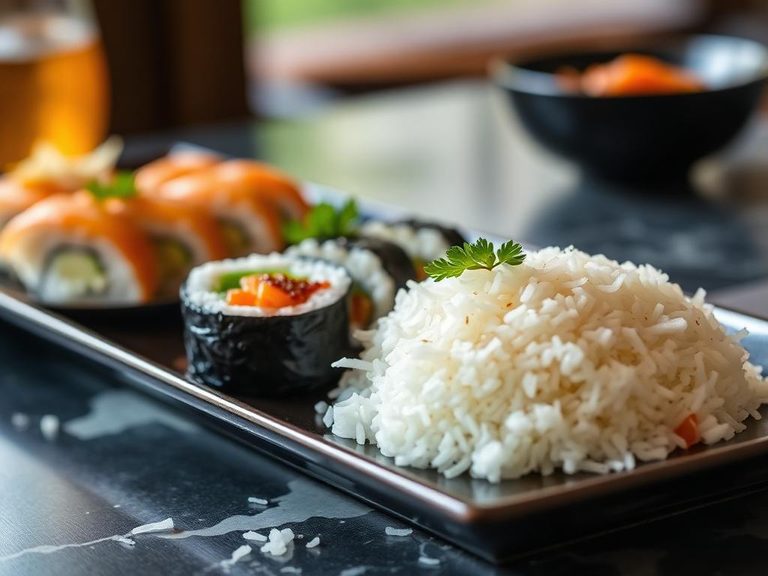
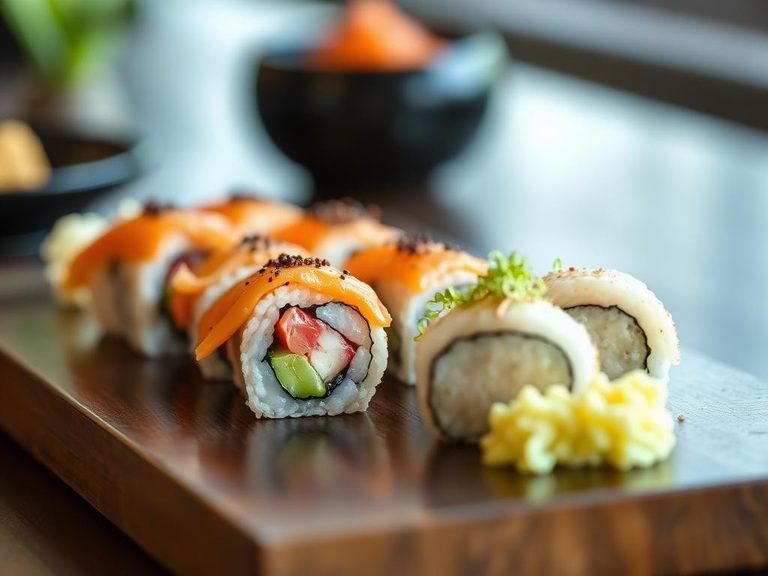
Brown Rice Sushi is a modern, health-conscious variation of traditional Japanese sushi, where the classic white sushi rice is replaced with whole-grain brown rice. It typically features the same core ingredients like fresh fish, avocado, cucumber, and seaweed (nori), but offers a nuttier flavor and chewier texture. While sushi originates from Japan, this brown rice version is a popular adaptation found in health-focused restaurants worldwide.
🍽️ Nutrition at a glance
This dish is a balanced source of complex carbohydrates from the brown rice, lean protein from the fish or tofu, and healthy fats from ingredients like avocado. It is rich in fiber, B vitamins, and minerals such as magnesium and selenium. A typical serving of 6-8 pieces generally ranges from 300 to 500 calories, depending on the fillings and added sauces.
Nutrition breakdown
| Calories | 290 kcal |
| Protein | 8 g |
| Carbs | 55 g |
| Fat | 4 g |
| Fiber | 3 g |
| Sugar | 4 g |
| Sodium | 520 mg |
| Potassium | 220 mg |
| Iron | 1.8 mg |
| Magnesium | 45 mg |
| Phosphorus | 120 mg |
| Niacin (B3) | 3.5 mg |
| Folate | 40 mcg |
| Vitamin B12 | 0.4 mcg |
| Vitamin K | 5 mcg |
Per 6 pieces (180 g) · estimated, varies by recipe
💡 What's interesting
Nutritionally, swapping white rice for brown significantly boosts the fiber and nutrient content, making it a more sustained-energy food. Culturally, it represents a global fusion trend, adapting a classic Japanese staple to meet contemporary Western dietary preferences for whole grains and enhanced nutritional value.