Beef and Dumplings
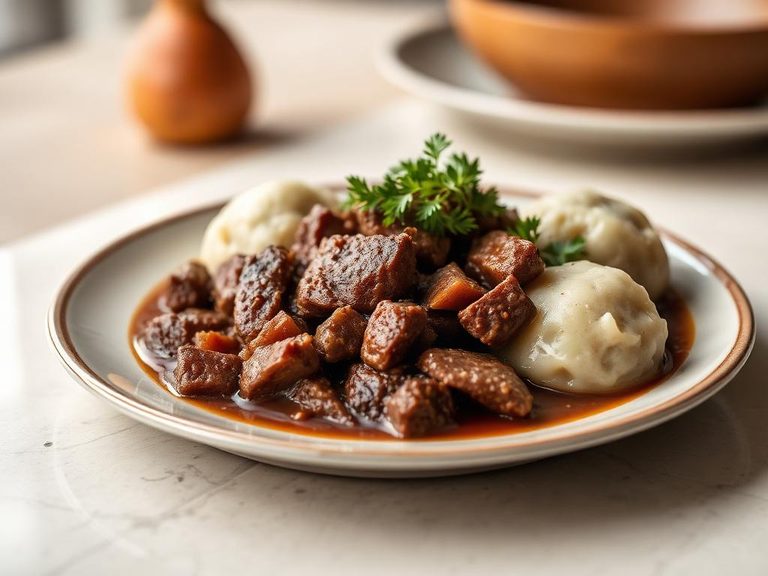
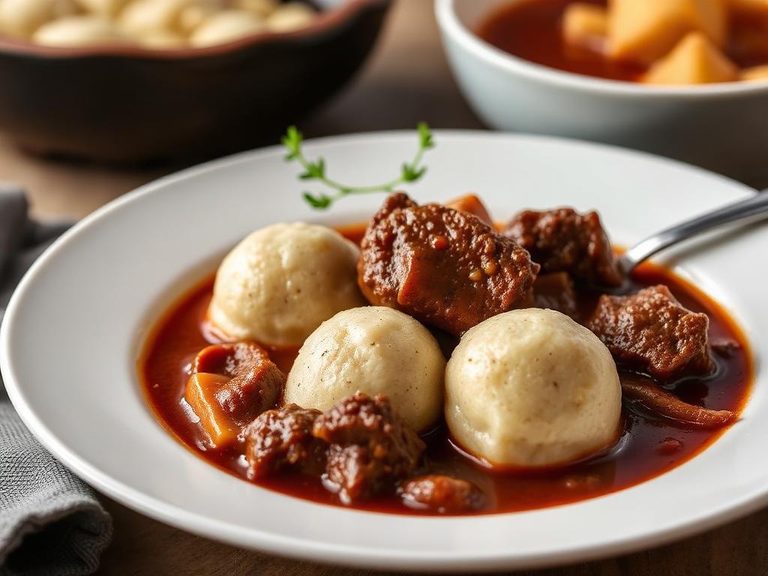
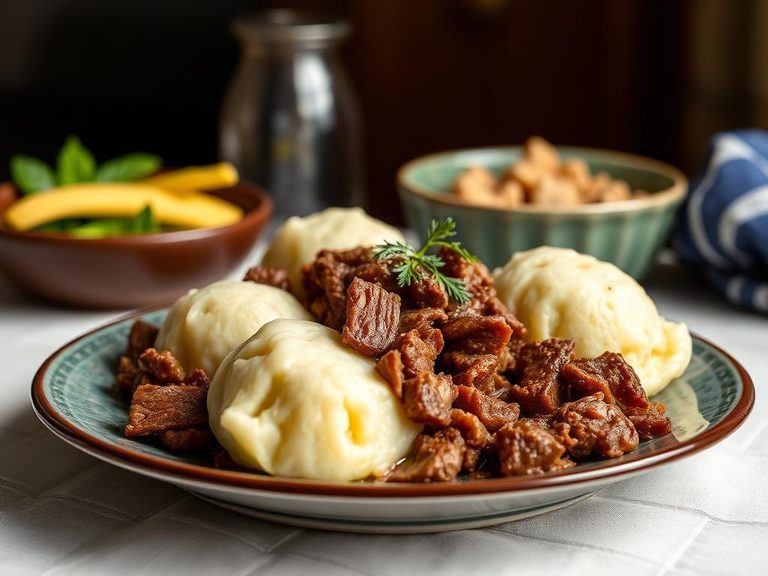
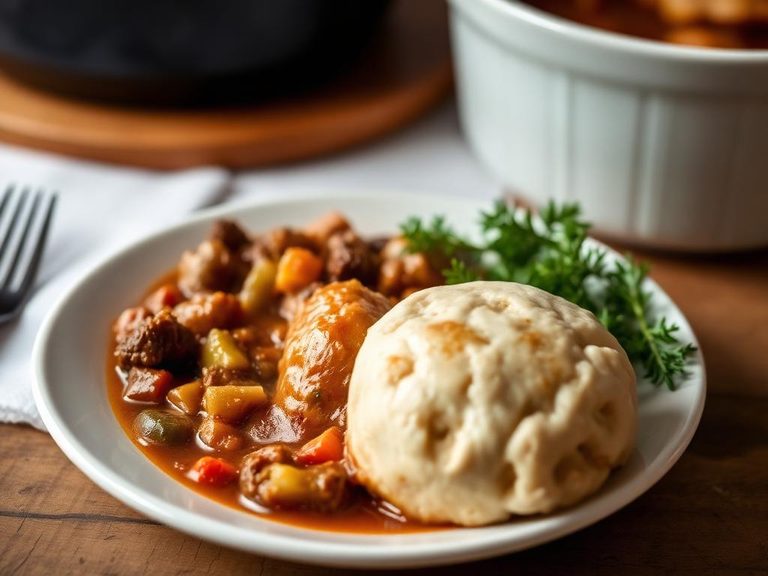
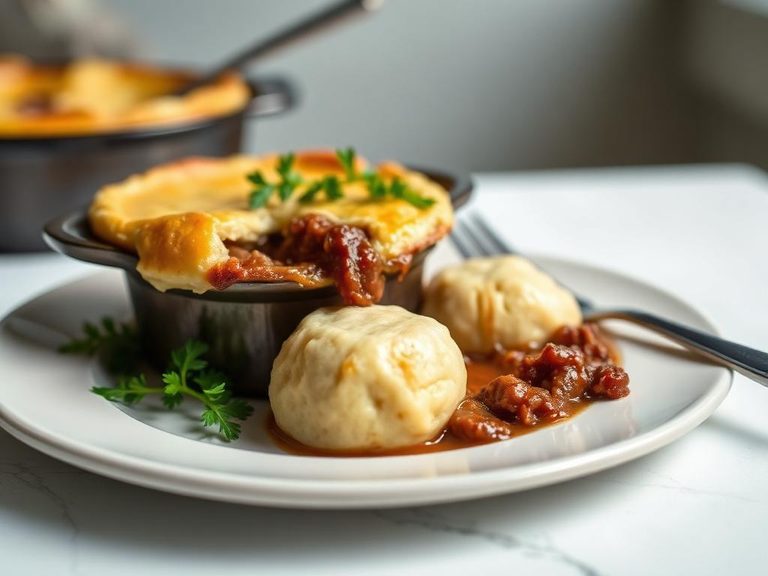
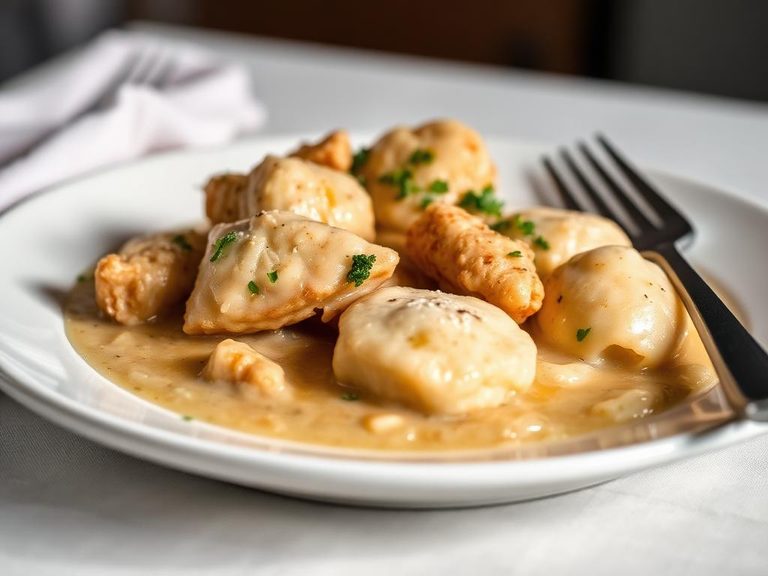
Beef and dumplings is a hearty, comforting stew originating from Central and Eastern European cuisines, often associated with German, Polish, or Austrian culinary traditions. It typically features tender chunks of beef simmered in a rich, savory broth with vegetables like carrots and onions, accompanied by soft, pillowy dumplings made from flour, eggs, and milk or water. This dish is a staple in many households, especially during colder months, for its warming and filling qualities.
🍽️ Nutrition at a glance
This dish is high in protein from the beef and carbohydrates from the dumplings, with a moderate amount of fat depending on the cut of beef and cooking method. It provides key nutrients like iron, B vitamins from the meat, and some fiber from the vegetables, with a rough calorie ballpark of 400-600 calories per serving, making it a substantial meal.
Nutrition breakdown
| Calories | 350 kcal |
| Protein | 22 g |
| Carbs | 30 g |
| Fat | 15 g |
| Fiber | 2 g |
| Sugar | 3 g |
| Sodium | 850 mg |
| Iron | 3.5 mg |
| Potassium | 450 mg |
| Vitamin B12 | 1.8 mcg |
| Zinc | 4.2 mg |
| Niacin (B3) | 6 mg |
| Selenium | 20 mcg |
| Phosphorus | 250 mg |
| Vitamin B6 | 0.4 mg |
Per 1 cup (240 g) · estimated, varies by recipe
💡 What's interesting
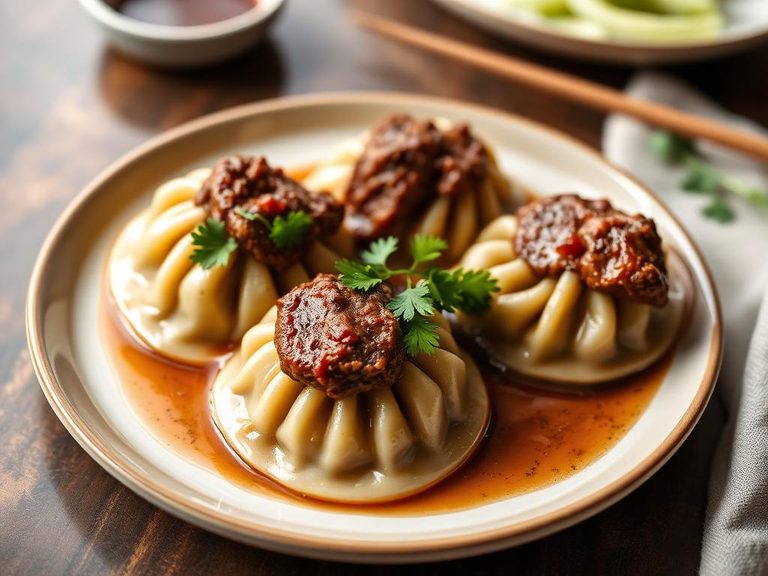
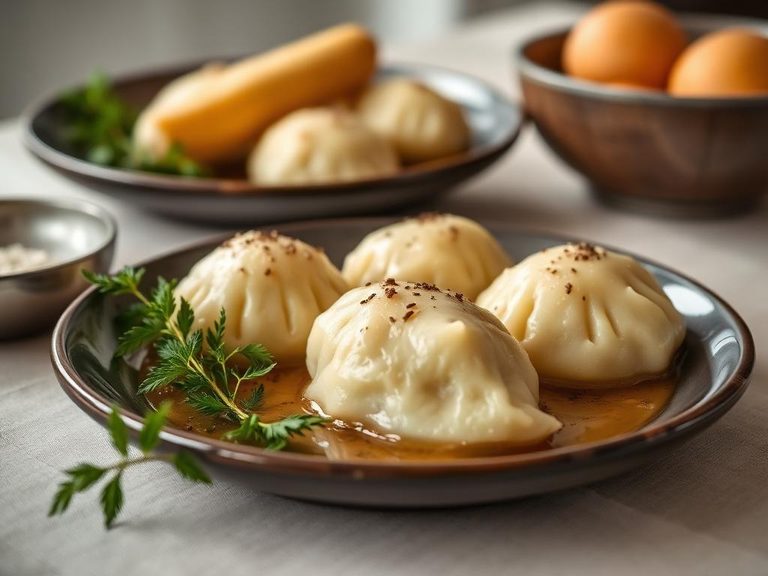
Culturally, beef and dumplings reflects a tradition of resourceful cooking, where dumplings were a way to stretch meals and use simple ingredients, and it varies widely by region—such as the German 'Kartoffelklöße' or Polish 'pierogi' variations. Nutritionally, it's unique for combining complete protein from beef with energy-dense dumplings, offering a balanced mix of sustenance and comfort that has sustained families for generations.