

Baklava filling
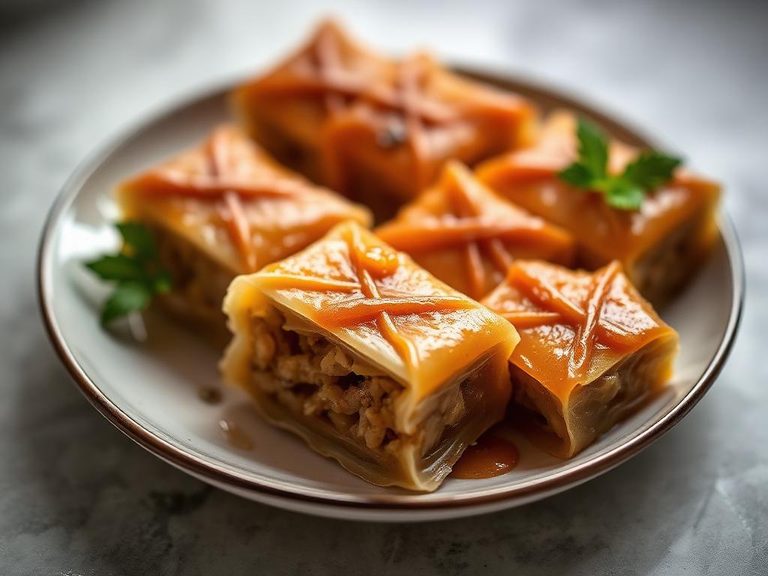
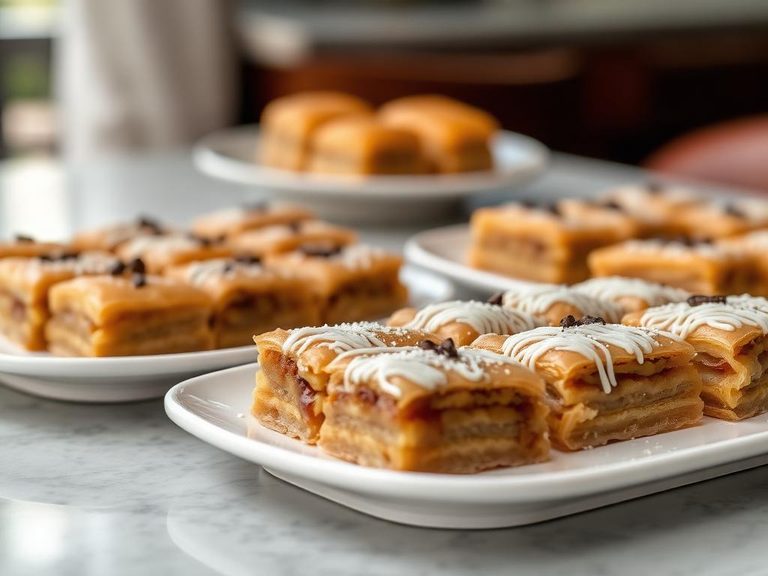
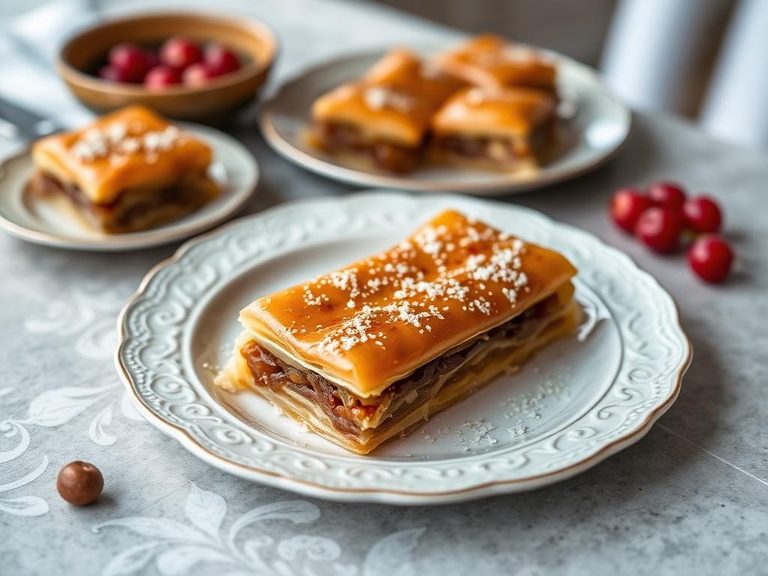
Baklava filling is the rich, sweet, and nutty layer traditionally placed between sheets of buttered phyllo dough in the Middle Eastern, Mediterranean, and Balkan dessert known as baklava. The classic filling is a mixture of finely chopped nuts—most commonly walnuts, pistachios, or almonds—blended with warm spices like cinnamon and sometimes a touch of sugar or rosewater. This aromatic mixture is the heart of baklava, providing its signature crunch and deep, nutty flavor.
🍳 View the full Baklava filling recipe →
🍽️ Nutrition at a glance
Baklava filling is very high in fat and carbohydrates, primarily from the nuts and added sugar, with a moderate amount of plant-based protein. A typical serving provides a dense source of energy, healthy fats, and minerals like magnesium and copper, with a rough calorie ballpark of 150-200 kcal for the filling portion alone.
Nutrition breakdown
| Calories | 180 kcal |
| Protein | 5 g |
| Carbs | 8 g |
| Fat | 15 g |
| Fiber | 2 g |
| Sugar | 5 g |
| Sodium | 5 mg |
| Magnesium | 45 mg |
| Copper | 0.3 mg |
| Manganese | 0.6 mg |
| Phosphorus | 80 mg |
| Vitamin E | 1.5 mg |
| Iron | 0.8 mg |
| Zinc | 0.7 mg |
| Thiamin (B1) | 0.1 mg |
💡 What's interesting
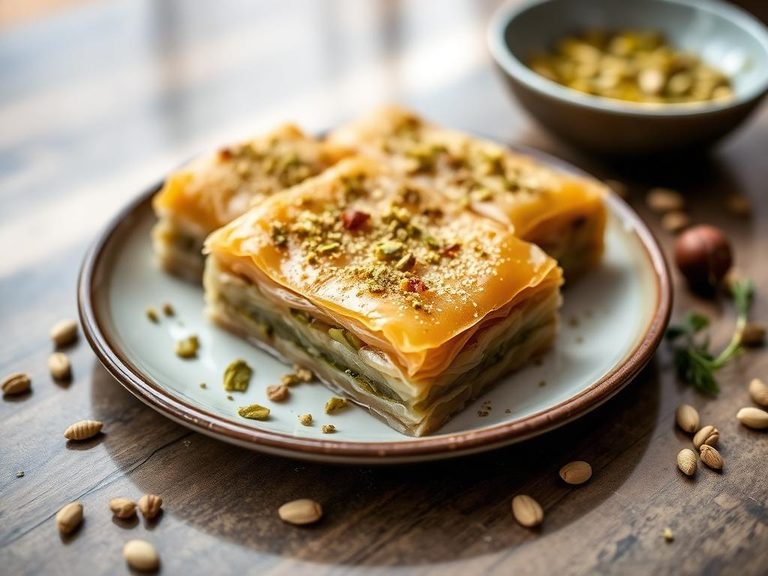
Culturally, the specific nut used in the filling often signals the baklava's regional origin—pistachios are iconic in Turkish and Greek versions, while walnuts are common in Lebanese and Syrian styles. Nutritionally, the nuts make it a surprisingly good source of plant-based omega-3 fatty acids and antioxidants, though it's traditionally enjoyed as an indulgent treat.
🍽️ Related dishes

AI estimate may be inaccurate · Terms