

Apricot Gelatin Dessert

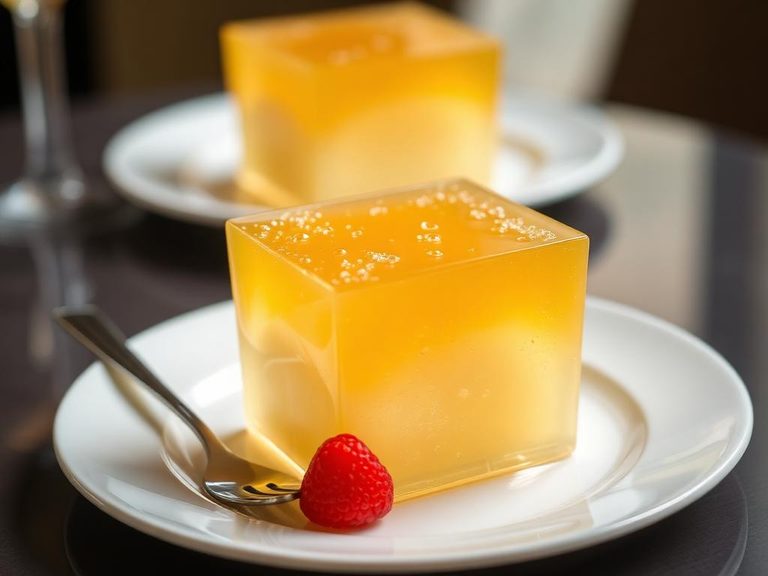
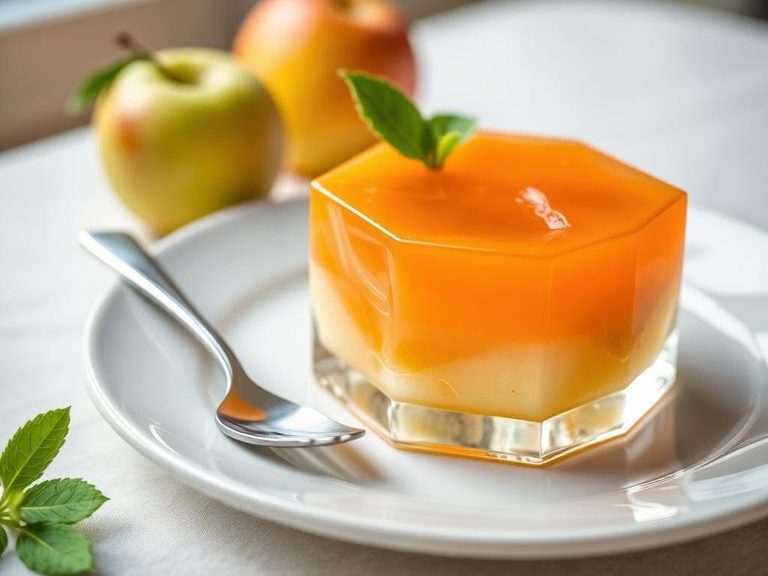
Apricot Gelatin Dessert is a light, fruity, and refreshing sweet treat made by combining apricot-flavored gelatin with real fruit pieces, often apricots or peaches, and sometimes whipped cream or a creamy topping. It's a popular dessert in many Western cuisines, particularly in North America and Europe, where it's a common choice for potlucks, family gatherings, and holiday meals. The dish is celebrated for its vibrant color, jiggly texture, and the sweet-tart balance of apricot flavor.
🍽️ Nutrition at a glance
This dessert is primarily a source of carbohydrates, mainly from sugar and fruit, with negligible fat and very little protein. A typical serving provides a quick energy boost and some vitamin C from the fruit, but it's generally considered a treat rather than a nutrient-dense food. A standard 1-cup serving contains roughly 150-200 calories.
Nutrition breakdown
| Calories | 170 kcal |
| Protein | 2 g |
| Carbs | 40 g |
| Fat | 0.5 g |
| Fiber | 1.5 g |
| Sugar | 35 g |
| Sodium | 85 mg |
| Vitamin C | 15 mg |
| Potassium | 200 mg |
| Vitamin A | 120 mcg |
| Calcium | 20 mg |
| Iron | 0.5 mg |
| Magnesium | 15 mg |
| Phosphorus | 30 mg |
| Niacin (B3) | 0.3 mg |
Per 1 cup (240 g) · estimated, varies by recipe
💡 What's interesting
Culturally, gelatin desserts like this became wildly popular in the mid-20th century as symbols of modern, convenient cooking. Nutritionally, the inclusion of real fruit pieces adds a touch of fiber and vitamins that plain gelatin lacks, making it a slightly more wholesome version of the classic wobbly dessert.
🍽️ Related dishes

AI estimate may be inaccurate · Terms