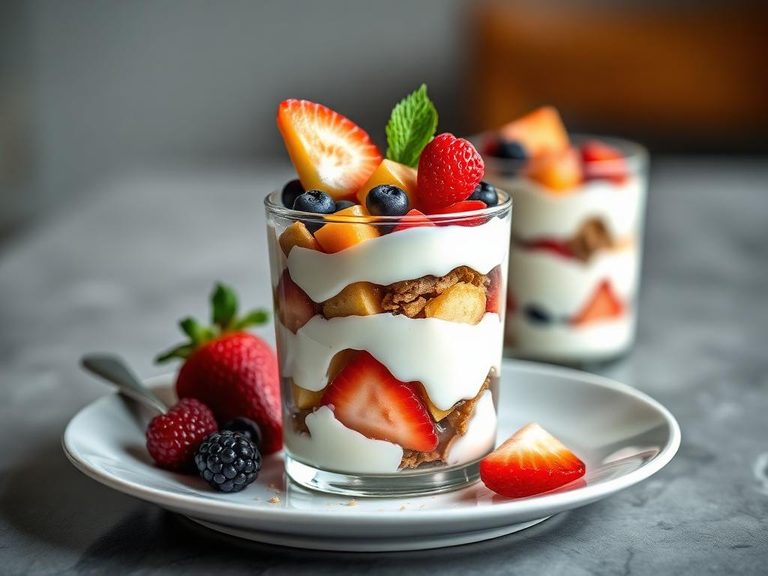
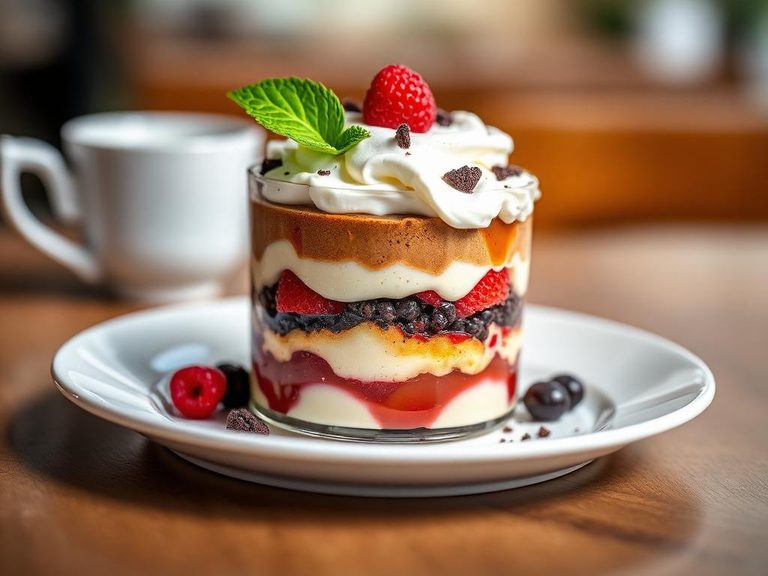
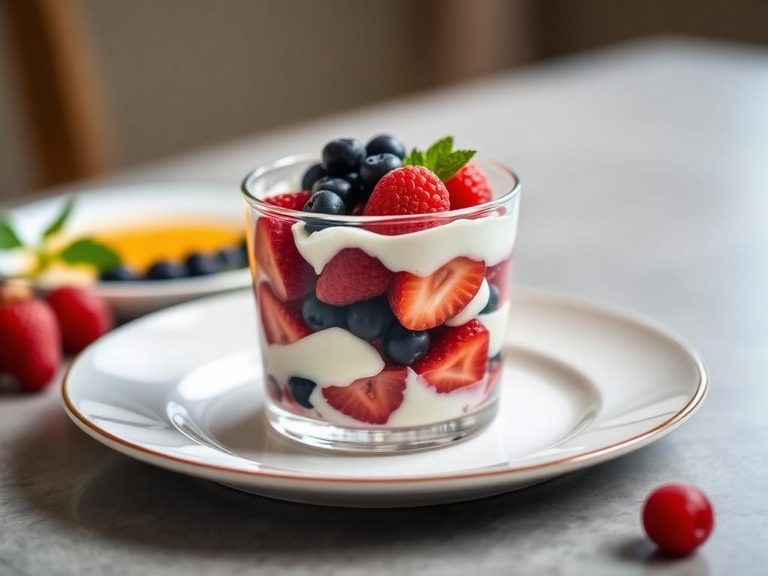
American-style layer cakes
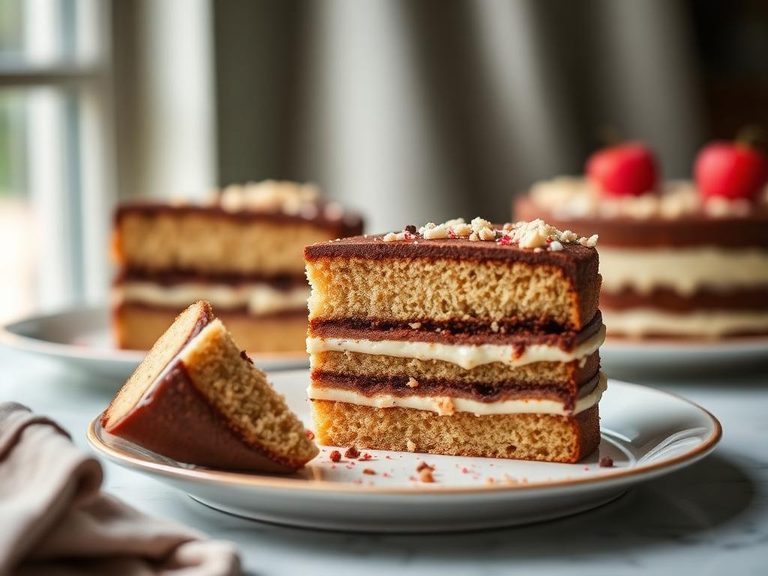
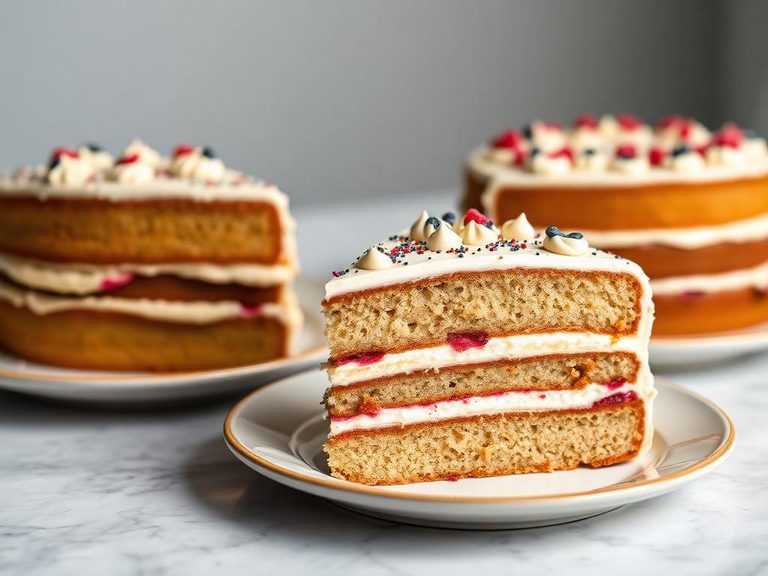
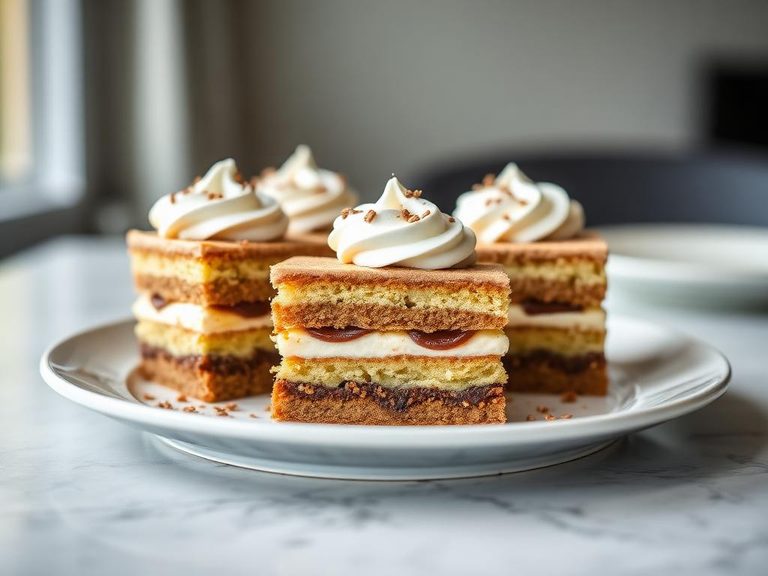
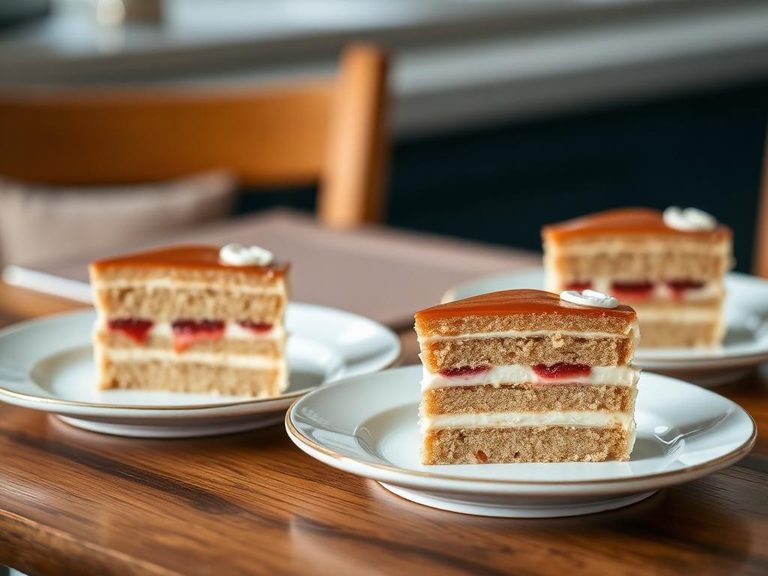
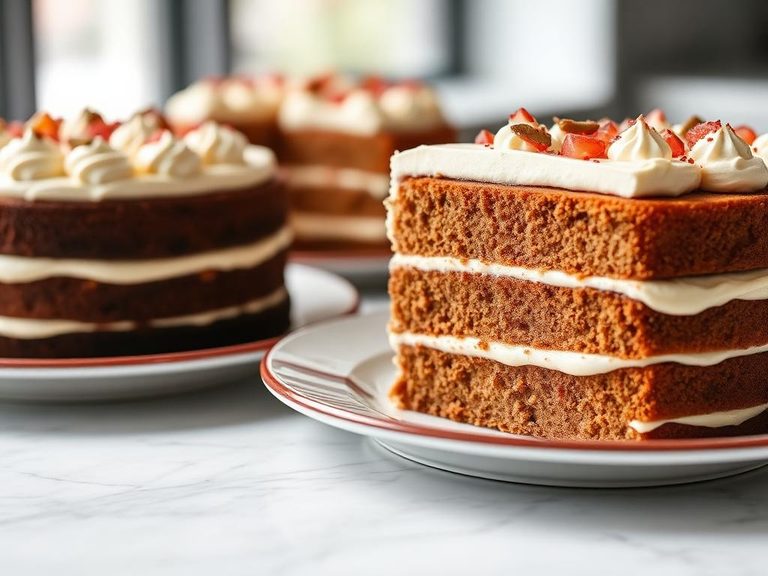
American-style layer cakes are celebratory desserts characterized by multiple stacked cake layers separated and covered in frosting, typically made from flour, sugar, eggs, butter, and leavening agents. They originate from the United States and are a staple at birthdays, weddings, and holidays, often featuring flavors like vanilla, chocolate, or red velvet with complementary frostings such as buttercream or cream cheese.
🍽️ Nutrition at a glance
These cakes are high in carbohydrates and fat, providing quick energy but little protein or fiber. A typical slice offers a significant calorie load, primarily from sugar and fats, with minimal essential nutrients.
Nutrition breakdown
| Calories | 450 kcal |
| Protein | 5 g |
| Carbs | 60 g |
| Fat | 22 g |
| Fiber | 0.5 g |
| Sugar | 45 g |
| Sodium | 300 mg |
| Calcium | 40 mg |
| Iron | 1.5 mg |
| Potassium | 100 mg |
| Vitamin A | 150 IU |
| Vitamin D | 0.5 mcg |
| Thiamin | 0.1 mg |
| Folate | 20 mcg |
| Phosphorus | 60 mg |
Per 1 slice (120 g) · estimated, varies by recipe
💡 What's interesting
Culturally, layer cakes symbolize festivity and personalization in American celebrations, often serving as a centerpiece. Nutritionally, they are a classic example of 'empty calories,' delivering energy-dense ingredients with limited nutritional benefit.