Added to purees for extra nutrition
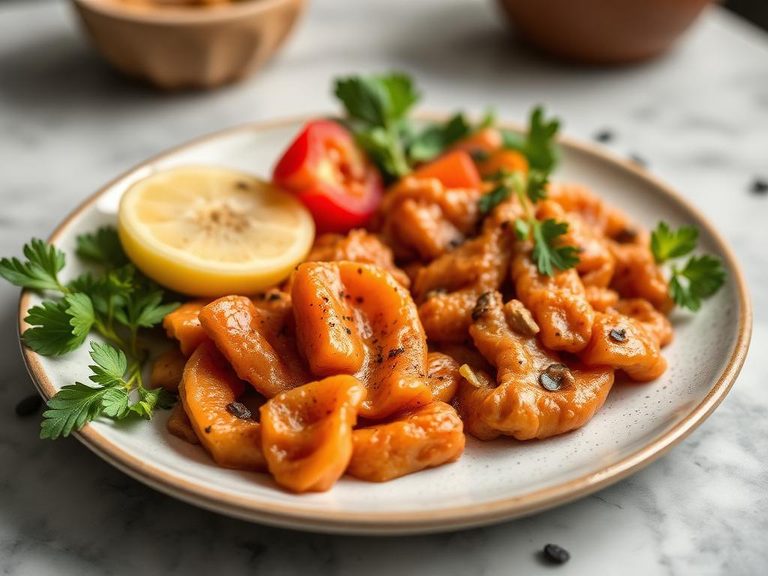
This isn't a standalone dish, but a nutrient-dense ingredient or preparation added to purees (like baby food or soups) to boost their nutritional value. Common additions include pureed cooked lentils, beans, spinach, or fortified cereals, which are blended into a base puree. The practice is common in home cooking worldwide, particularly in infant nutrition and health-focused diets.
🍽️ Nutrition at a glance
It is typically high in protein and fiber if legumes are used, or rich in vitamins if greens are added. A serving can add 50-150 calories, along with significant amounts of iron, folate, and potassium, depending on the specific addition.
Nutrition breakdown
| Calories | 115 kcal |
| Protein | 9 g |
| Carbs | 20 g |
| Fat | 0.4 g |
| Fiber | 8 g |
| Sugar | 1.8 g |
| Sodium | 2 mg |
| Folate | 181 mcg |
| Iron | 3.3 mg |
| Potassium | 365 mg |
| Manganese | 0.5 mg |
| Thiamine (B1) | 0.2 mg |
| Phosphorus | 180 mg |
Per 1/4 cup (approx. 60 g) of cooked, pureed green lentils · estimated, varies by recipe
💡 What's interesting
This approach is a classic example of 'food as medicine,' used for generations to seamlessly increase the nutrient density of meals without altering the basic texture, making it especially useful for children or individuals with dietary restrictions.
🍽️ Related dishes
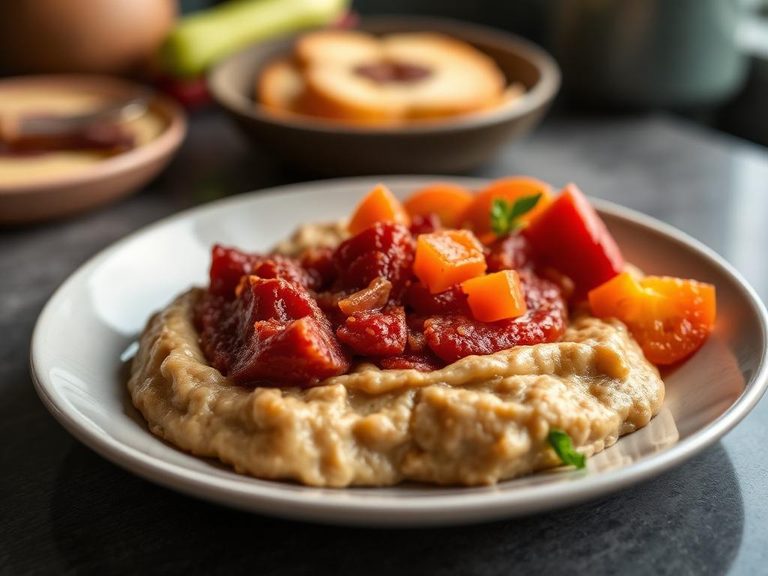 Added to purees for extra calories/nutrients
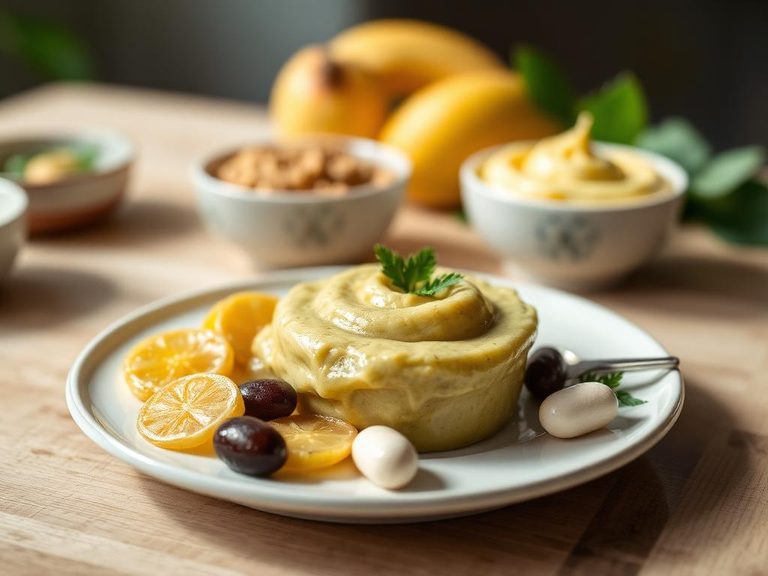 Nutritional supplement in purees
 Added to calorie-boosting purees for older infants
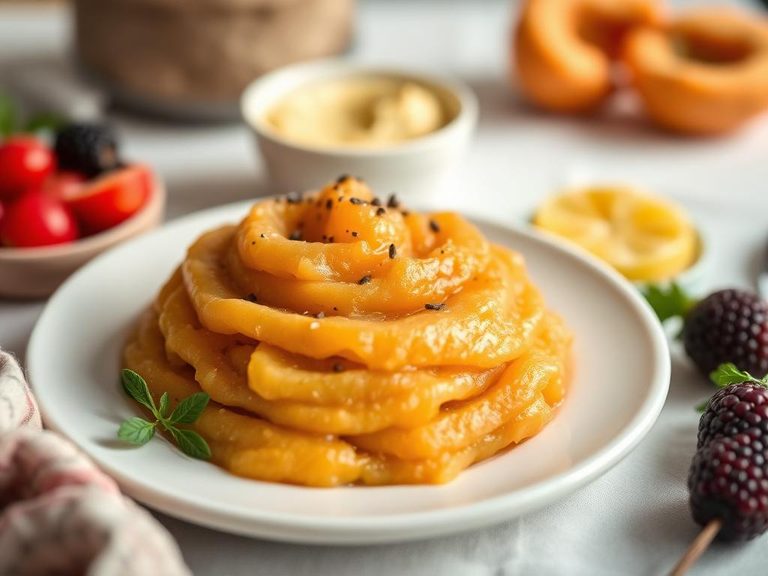 Added to homemade baby purees
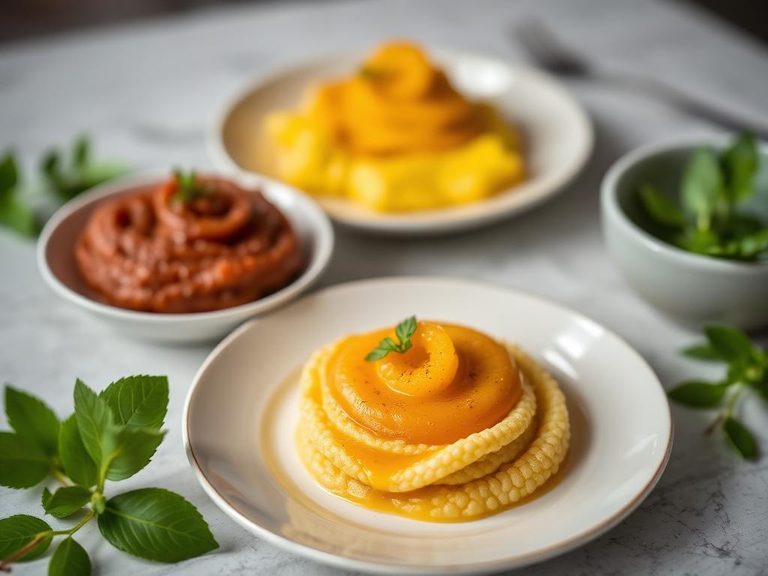 Formula-Enriched Purees
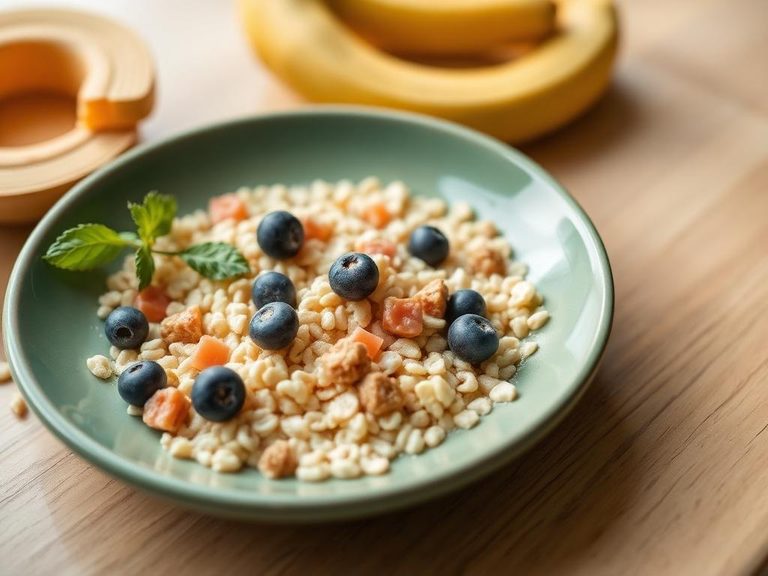 Mixed into infant cereal for added nutrition
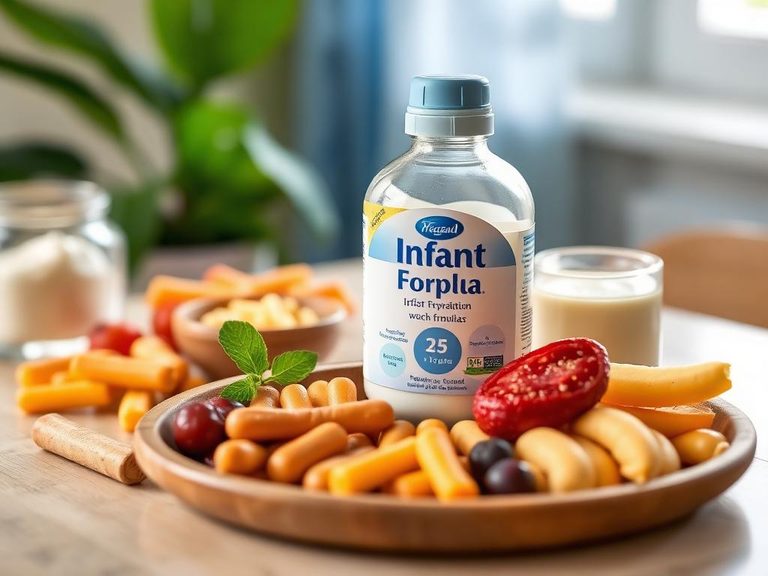 Infant formula and nutritional supplements
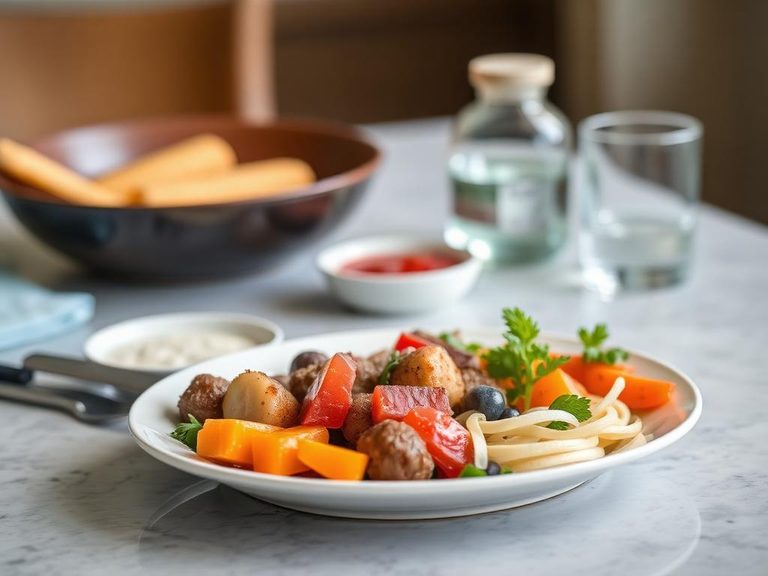 Used in special medical nutritional formulas