Added to purees for extra calories/nutrients
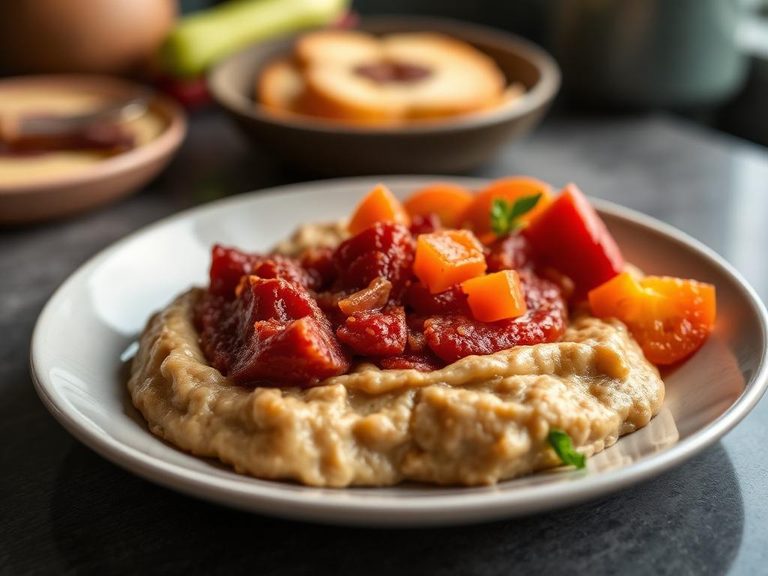
This is not a standalone dish but a nutritional booster, typically a smooth, high-calorie paste or powder blended into purees for infants, the elderly, or those needing extra nourishment. Common ingredients include nut butters (like almond or peanut), seed pastes (like tahini), or specialized nutritional powders. It's a practical addition used globally in home cooking and clinical nutrition.
🍽️ Nutrition at a glance
It is designed to be calorie-dense, primarily adding healthy fats and plant-based protein to meals. A single tablespoon can add 50-100 calories, along with key nutrients like vitamin E, magnesium, and iron, depending on the base ingredient.
Nutrition breakdown
| Calories | 95 kcal |
| Protein | 3.5 g |
| Carbs | 3 g |
| Fat | 8 g |
| Fiber | 1.5 g |
| Sugar | 1 g |
| Sodium | 0 mg |
| Vitamin E | 4 mg |
| Magnesium | 45 mg |
| Iron | 1 mg |
| Phosphorus | 60 mg |
| Manganese | 0.3 mg |
| Copper | 0.2 mg |
| Zinc | 0.5 mg |
| Selenium | 1 mcg |
Per 1 tablespoon (16 g) · estimated, varies by recipe
💡 What's interesting
This concept highlights how simple, whole-food ingredients can be strategically used to combat malnutrition or support growth. It's a common practice in many cultures, from adding sesame paste in Asia to nut flours in Western infant weaning foods.
🍽️ Related dishes
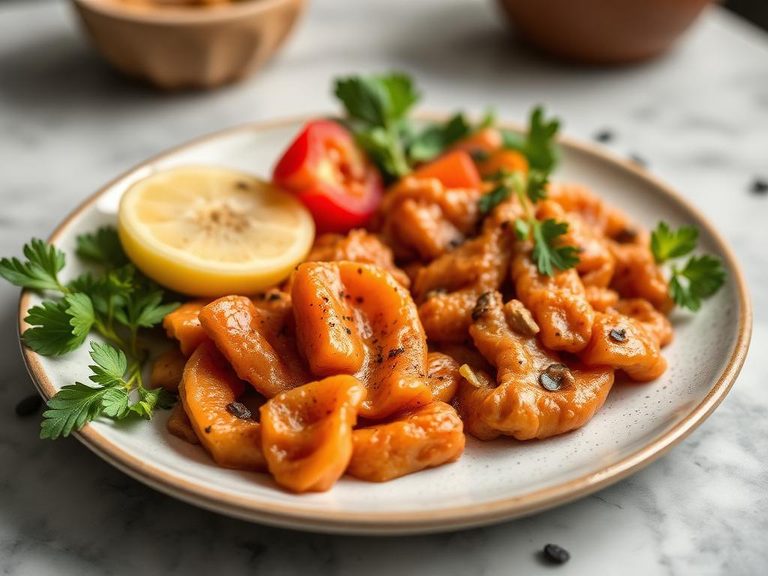 Added to purees for extra nutrition
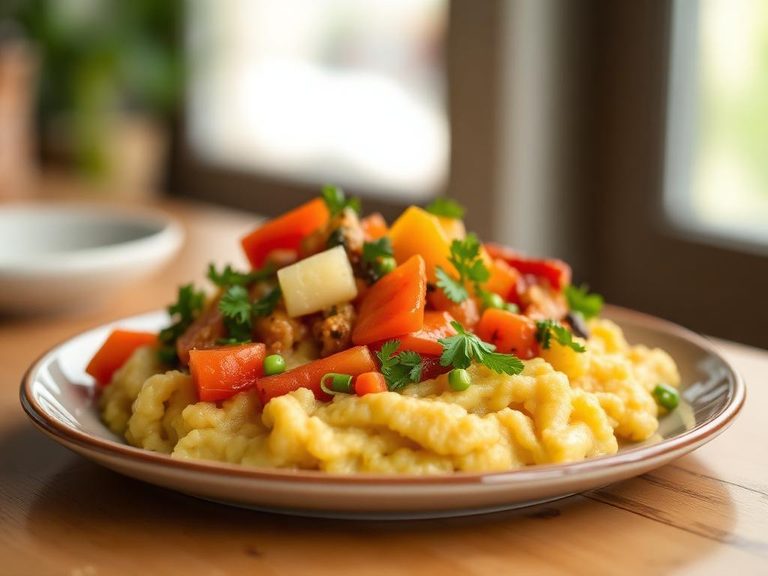 Mixed with pureed vegetables for added nutrients
 Added to calorie-boosting purees for older infants
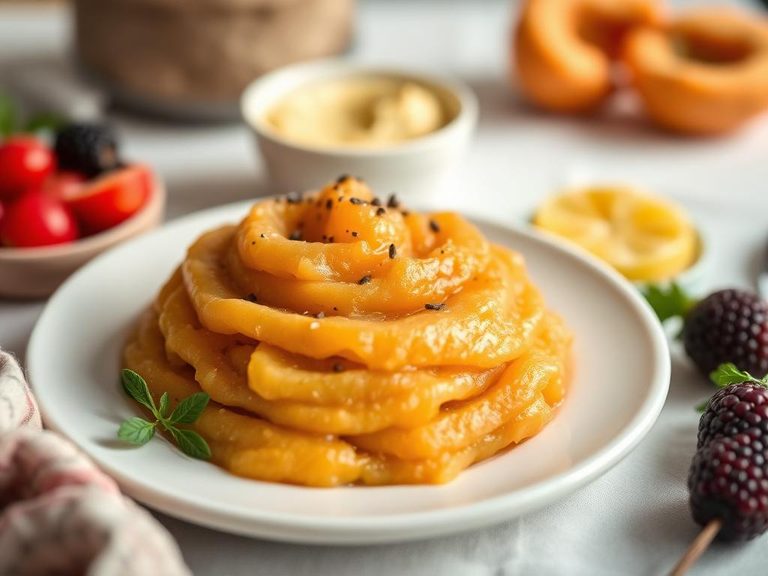 Added to homemade baby purees
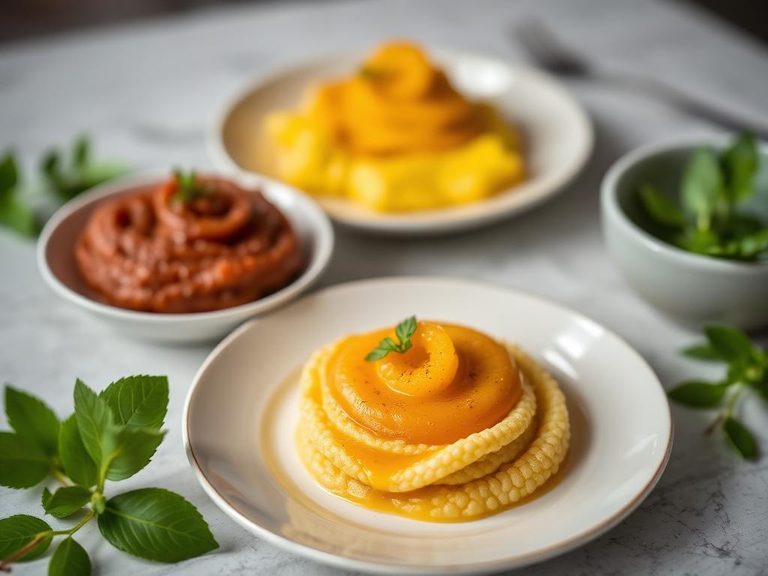 Formula-Enriched Purees
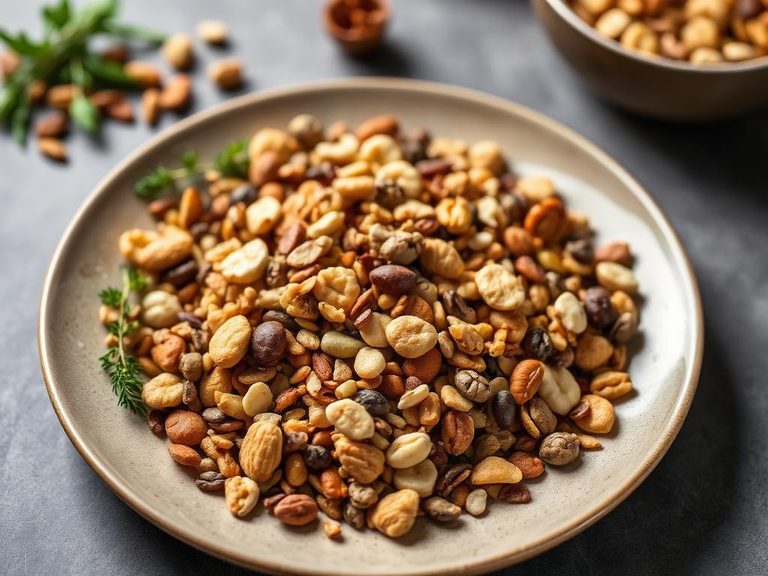 Chopped into a trail mix with extra nuts and seeds
 Customized double cheeseburger with extra toppings
 KFC Extra Crispy Chicken Bucket