Zwieback pudding

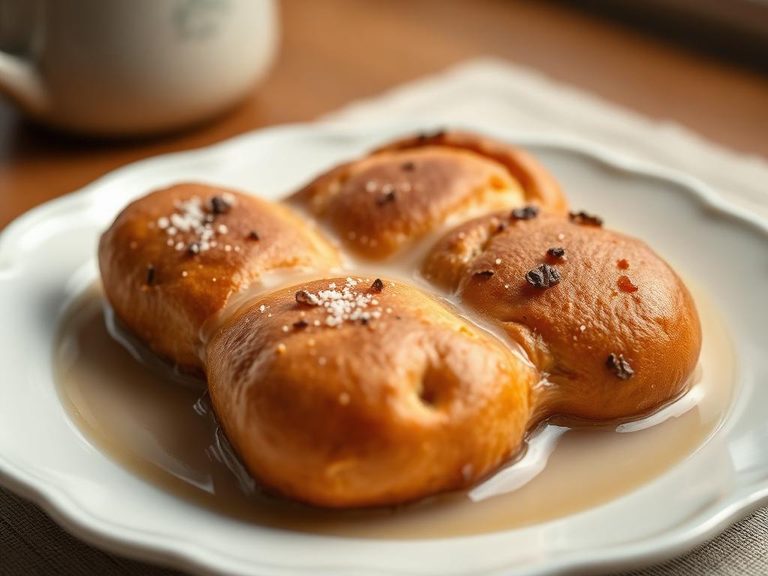
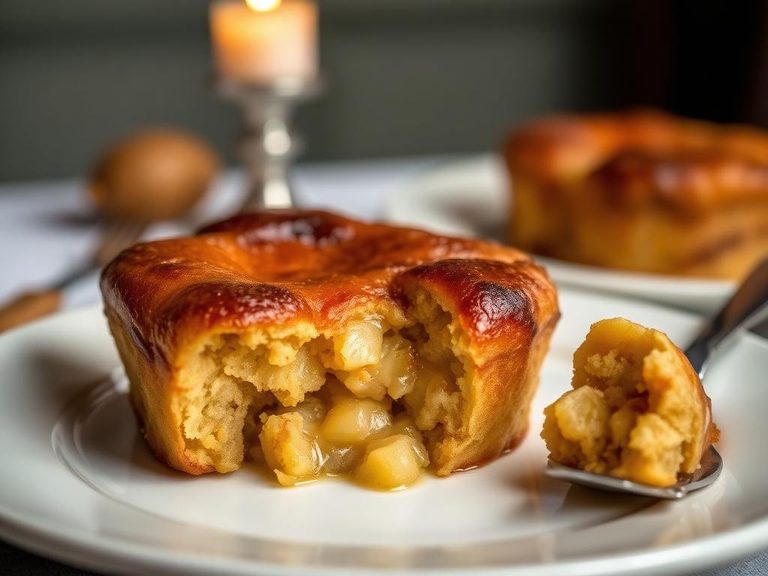
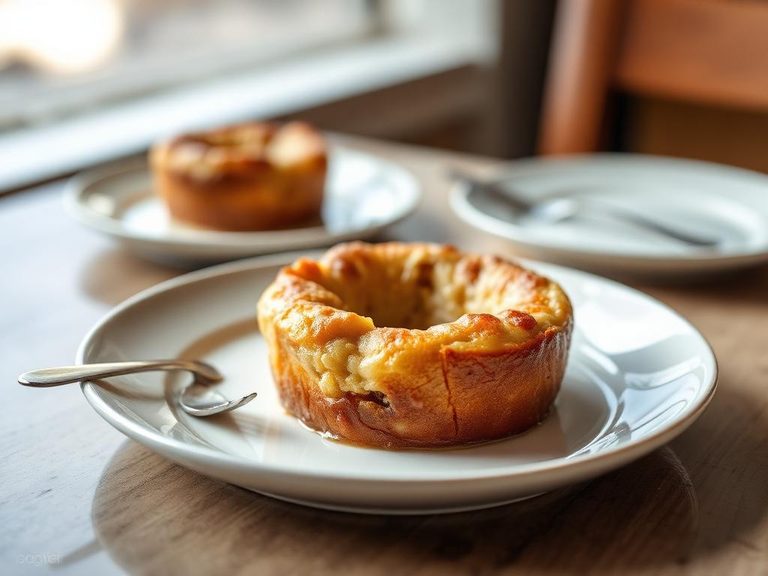
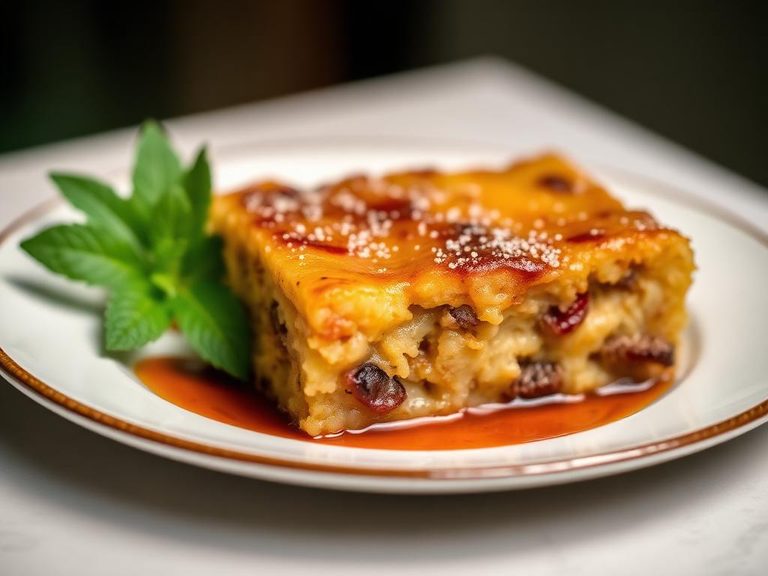
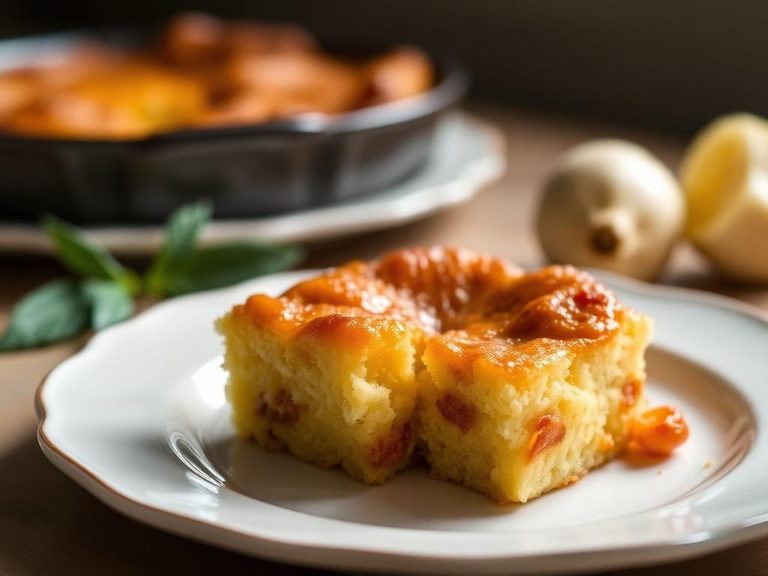
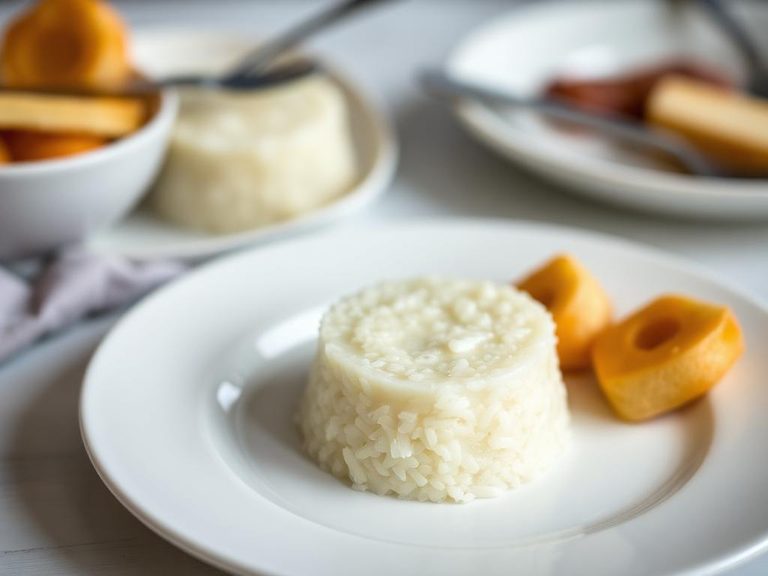
Zwieback pudding is a comforting, custard-like dessert originating from German-speaking regions, traditionally made with stale Zwieback (a sweet, twice-baked rusk or biscuit), milk, eggs, sugar, and often raisins or cinnamon. It's essentially a bread pudding that transforms simple, dry ingredients into a soft, sweet treat, often served warm with a dusting of powdered sugar or a vanilla sauce.
🍽️ Nutrition at a glance
This dish is high in carbohydrates and fat, primarily from the milk, eggs, and sugar, providing a good source of energy and calcium. A typical serving contains roughly 300-400 calories.
Nutrition breakdown
| Calories | 350 kcal |
| Protein | 8 g |
| Carbs | 45 g |
| Fat | 16 g |
| Fiber | 1 g |
| Sugar | 25 g |
| Sodium | 180 mg |
| Calcium | 150 mg |
| Phosphorus | 120 mg |
| Vitamin A | 80 µg |
| Vitamin B12 | 0.4 µg |
| Riboflavin (B2) | 0.2 mg |
| Selenium | 10 µg |
Per 1 serving (approx. 200 g) · estimated, varies by recipe
💡 What's interesting
Zwieback pudding is a classic example of 'waste-not' cooking, ingeniously repurposing stale bread into a beloved dessert. Nutritionally, it offers a comforting blend of quick energy from sugars and sustained energy from the biscuit's complex carbs, along with protein from the eggs and dairy.