Zwieback in warm milk or tea
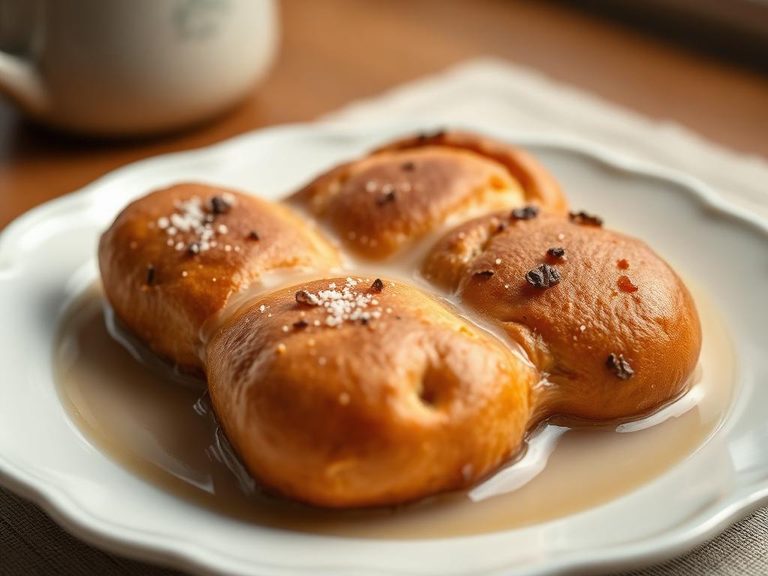
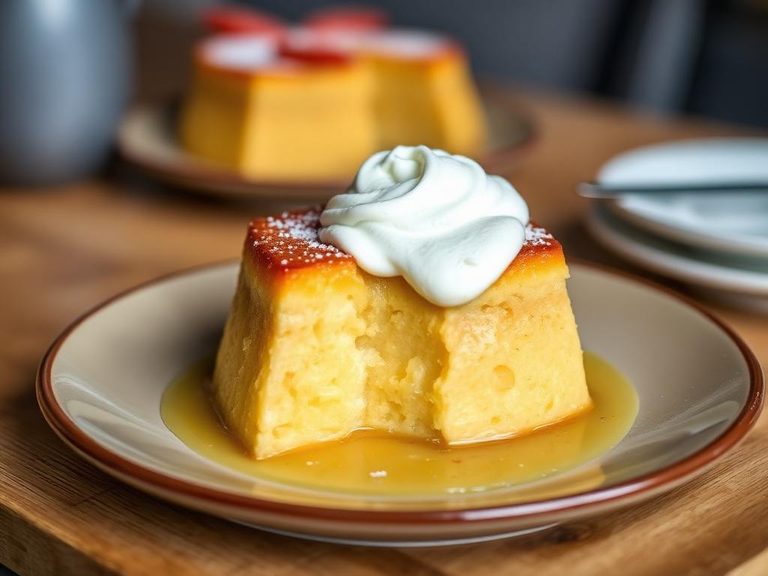
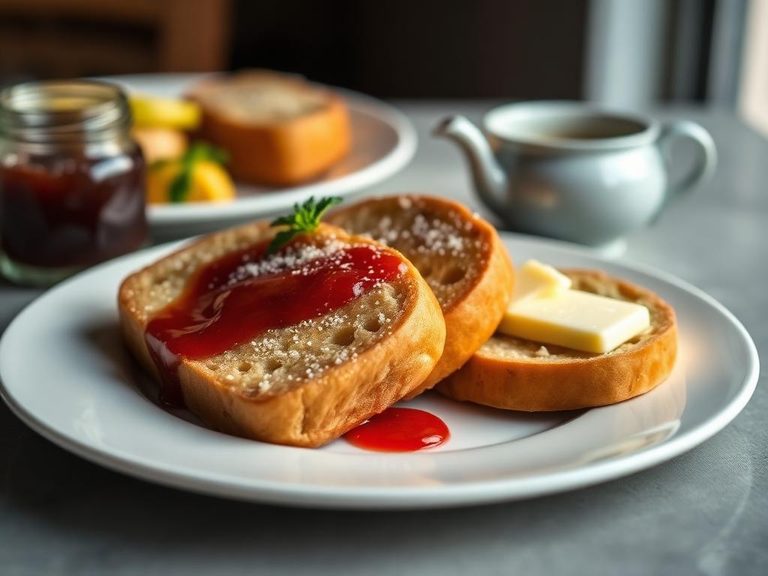
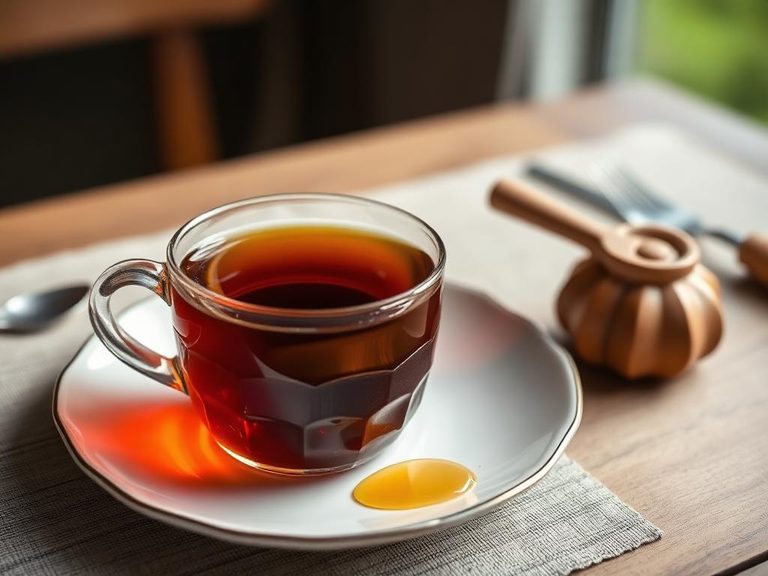
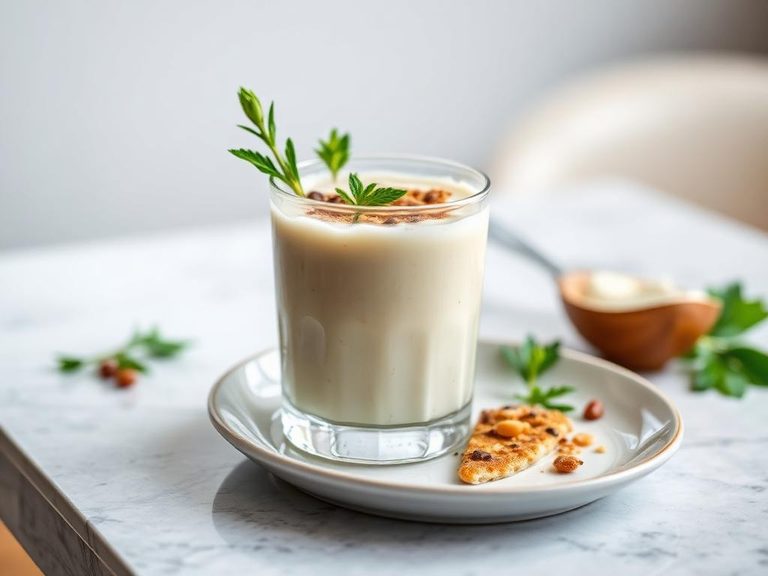
Zwieback in warm milk or tea is a simple, comforting dish consisting of dry, twice-baked bread rusks (Zwieback) softened in a warm beverage. It is a traditional and common breakfast, snack, or light meal in Germany and other parts of Central Europe, often prepared for children, the elderly, or anyone seeking a gentle, easy-to-digest food. The ingredients are minimal: Zwieback rusks, warm milk or tea, and sometimes a sprinkle of cinnamon or sugar.
🍽️ Nutrition at a glance
This dish is primarily a source of carbohydrates for energy, with moderate protein and fat contributed by the milk. It provides key nutrients like calcium and B vitamins from the milk and enriched bread, with a typical serving containing roughly 250-350 calories.
Nutrition breakdown
| Calories | 310 kcal |
| Protein | 12 g |
| Carbs | 40 g |
| Fat | 12 g |
| Fiber | 2 g |
| Sugar | 12 g |
| Sodium | 280 mg |
| Calcium | 300 mg |
| Phosphorus | 220 mg |
| Vitamin B12 | 1.2 µg |
| Riboflavin (B2) | 0.4 mg |
| Potassium | 400 mg |
| Magnesium | 35 mg |
| Selenium | 15 µg |
| Zinc | 1.5 mg |
Per 2 Zwieback rusks (approx. 60 g) soaked in 1 cup (240 ml) warm whole milk · estimated, varies by recipe
💡 What's interesting
Culturally, Zwieback is a staple in German-speaking households, often one of the first solid foods given to babies due to its soft texture when soaked. Nutritionally, the double-baking process of Zwieback makes it very shelf-stable and easy to digest, making it a classic 'comfort food' for recovery or gentle nourishment.