

Whole Grain Snack Bar
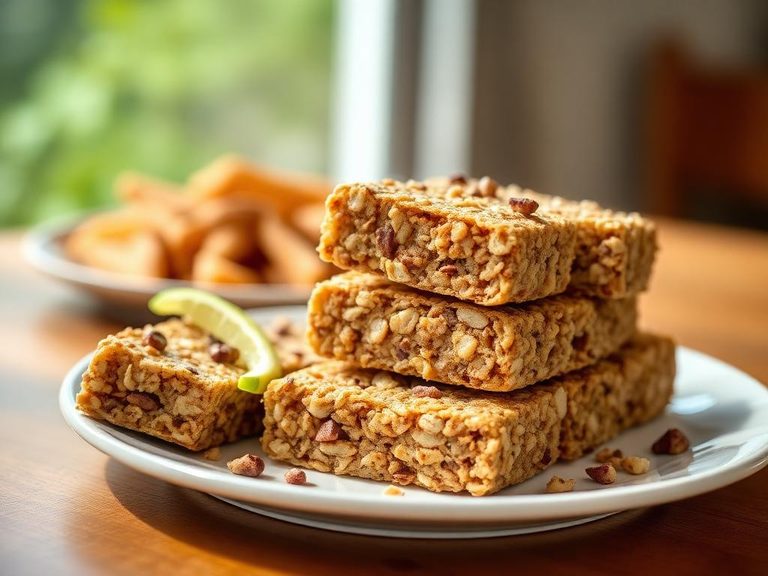
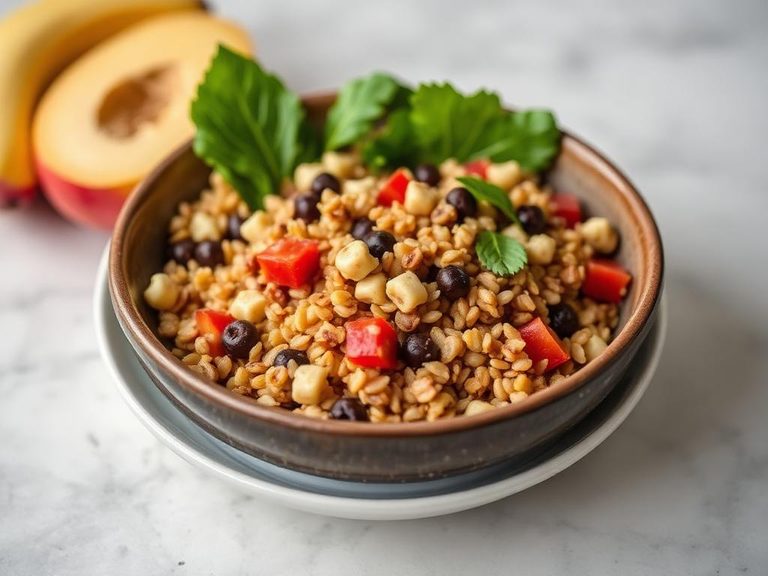
A whole grain snack bar is a convenient, portable food made primarily from whole grains like oats, quinoa, or brown rice, often bound together with natural sweeteners like honey or dates and mixed with nuts, seeds, or dried fruit. It originated as a health-focused convenience food in the United States during the late 20th century, designed for active lifestyles.
🍽️ Nutrition at a glance
These bars are typically moderate to high in complex carbohydrates from the whole grains, providing sustained energy, and offer a good source of dietary fiber. Depending on the recipe, they can also contain healthy fats from nuts and seeds, with a typical bar ranging from 150 to 250 calories.
Nutrition breakdown
| Calories | 150 kcal |
| Protein | 3 g |
| Carbs | 27 g |
| Fat | 4 g |
| Fiber | 3 g |
| Sugar | 9 g |
| Sodium | 120 mg |
| Iron | 2 mg |
| Magnesium | 30 mg |
| Phosphorus | 60 mg |
| Zinc | 1 mg |
| Thiamin (B1) | 0.2 mg |
| Niacin (B3) | 2 mg |
| Vitamin B6 | 0.1 mg |
| Folate | 40 mcg |
Per 1 bar (40 g) · estimated, varies by recipe
💡 What's interesting
Whole grain snack bars are culturally interesting as they represent a modern fusion of traditional grain-based foods with contemporary demands for quick, nutritious on-the-go options. Nutritionally, they stand out for retaining the bran and germ of the grain, which preserves more vitamins, minerals, and fiber compared to refined grain products.
🍽️ Related dishes




AI estimate may be inaccurate · Terms