

Vietnamese Canh
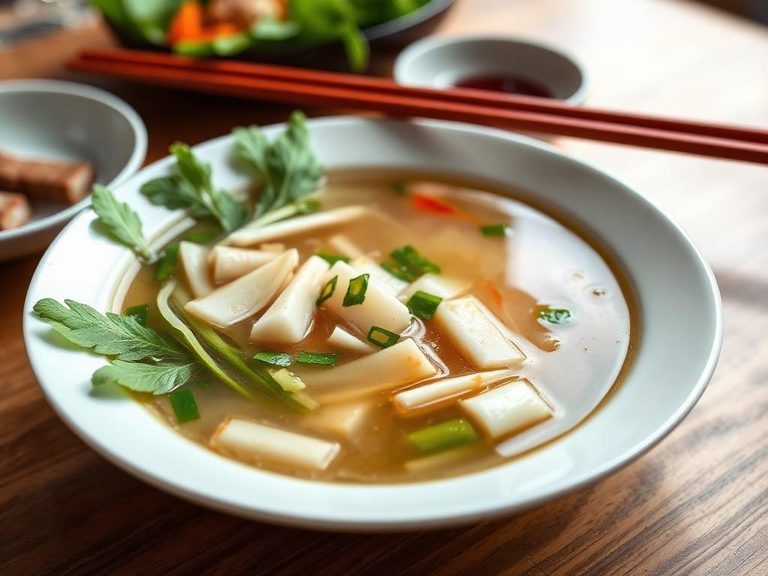
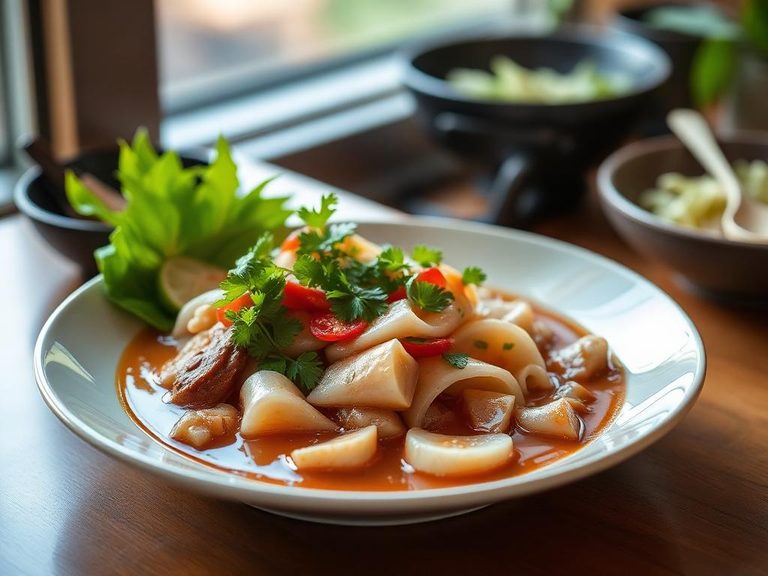
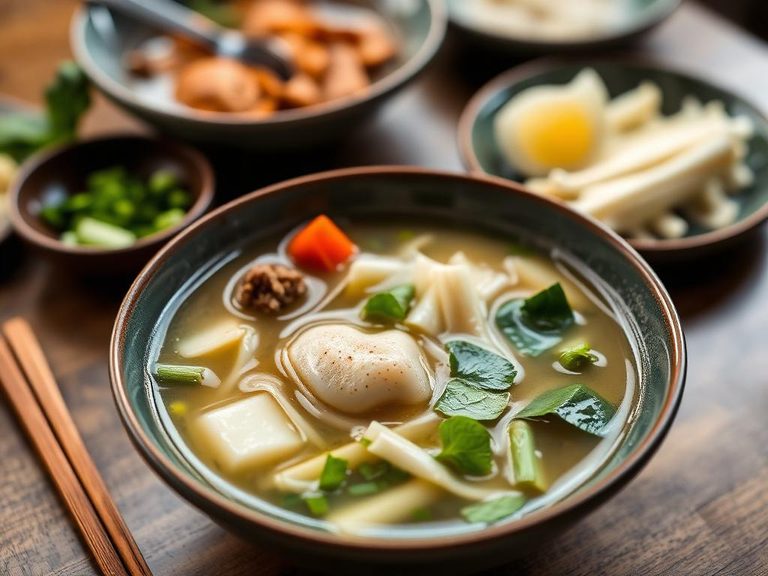
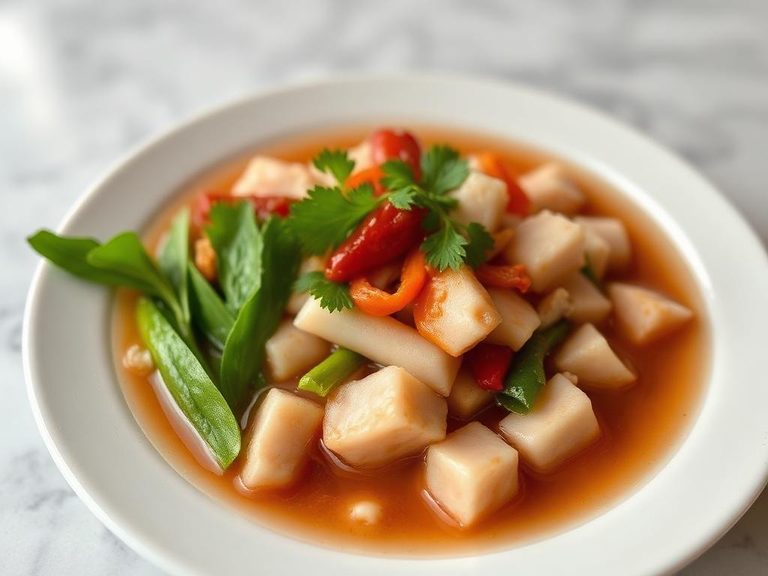
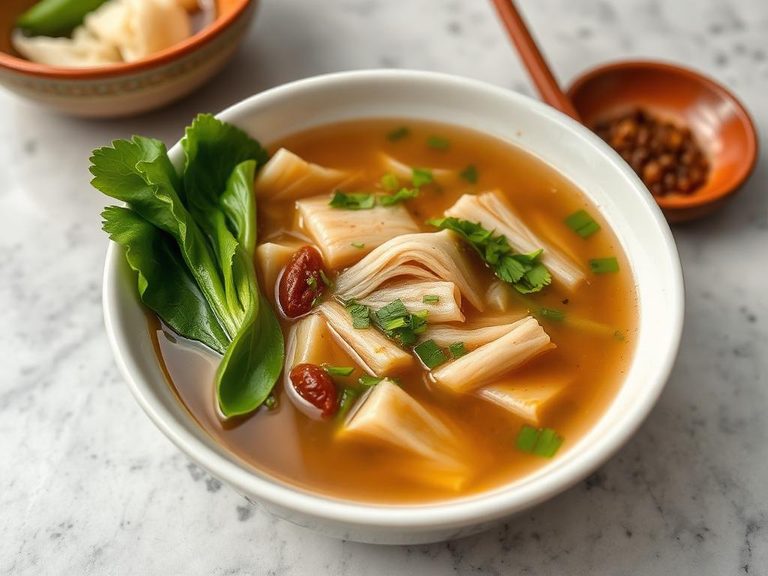
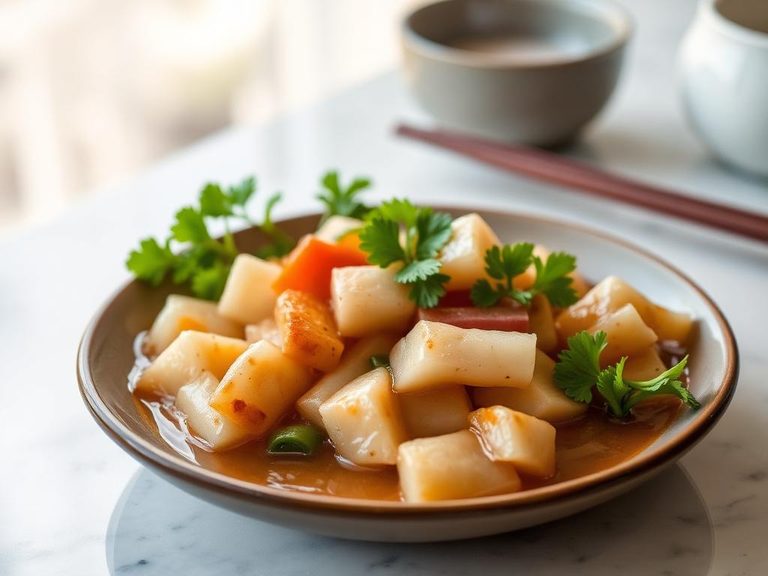
Vietnamese Canh is a light, clear soup that serves as a comforting and essential part of a traditional Vietnamese family meal. It typically features a clear broth simmered with daikon radish, often accompanied by ingredients like shrimp, pork, or tofu, and finished with fresh herbs like cilantro and scallions. This humble dish is a staple across Vietnam, valued for its simplicity and ability to balance richer dishes on the table.
🍽️ Nutrition at a glance
Canh is generally low in fat and carbohydrates, with a modest amount of protein depending on the added shrimp or meat. It provides hydration and key nutrients like vitamin C and potassium from the daikon, and a typical serving contains roughly 50-100 calories.
Nutrition breakdown
| Calories | 35 kcal |
| Protein | 1.5 g |
| Carbs | 6.5 g |
| Fat | 0.5 g |
| Fiber | 1.2 g |
| Sugar | 3 g |
| Sodium | 480 mg |
| Potassium | 280 mg |
| Vitamin C | 12 mg |
| Vitamin A | 85 mcg RAE |
| Folate | 35 mcg |
| Calcium | 30 mg |
| Iron | 0.5 mg |
| Magnesium | 15 mg |
| Manganese | 0.2 mg |
Per 1 cup (240 g) · estimated, varies by recipe
💡 What's interesting
Culturally, Canh is more than just a soup; it's a symbol of home cooking and balance in a Vietnamese meal, often meant to be sipped between bites of rice and other dishes. Nutritionally, the slow-simmered daikon is prized in traditional beliefs for its 'cooling' properties, believed to aid digestion and cleanse the palate.
🍽️ Related dishes
AI estimate may be inaccurate · Terms