

Vietnamese Canh (Soup)
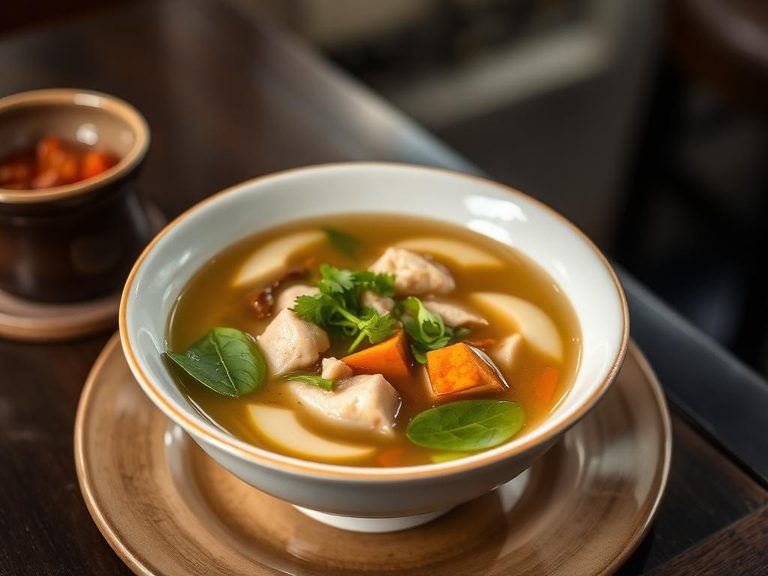
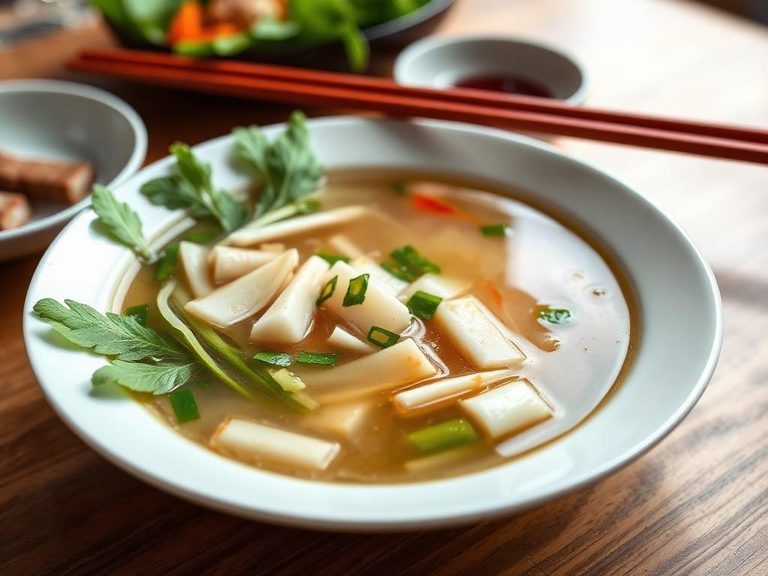
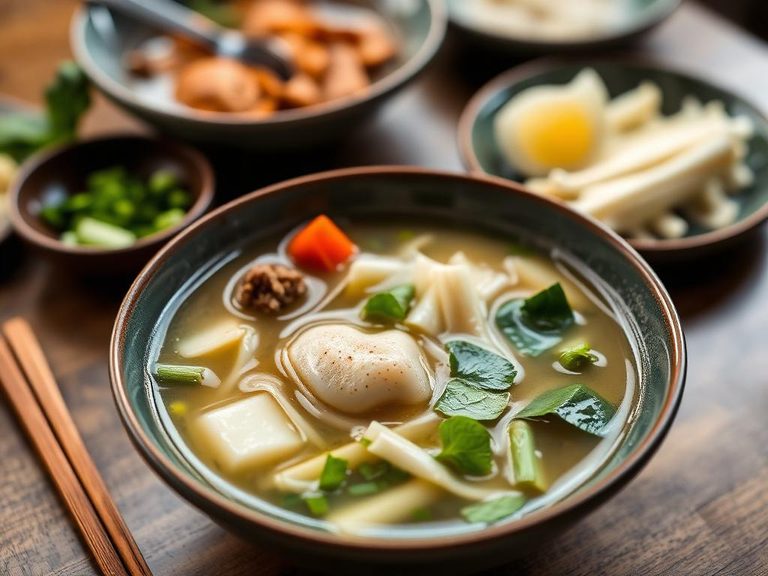
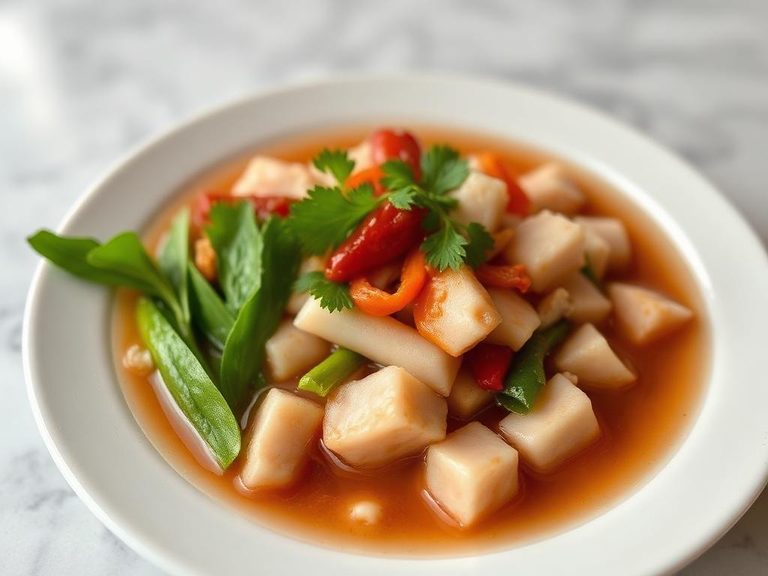
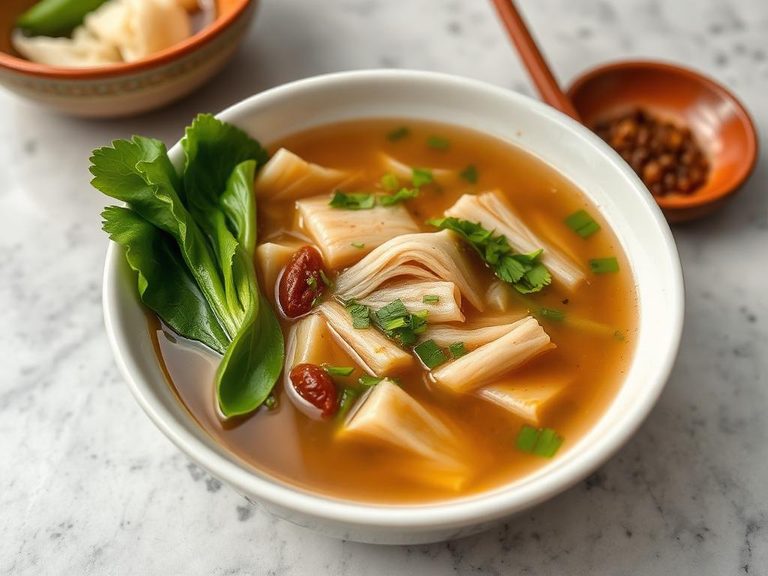
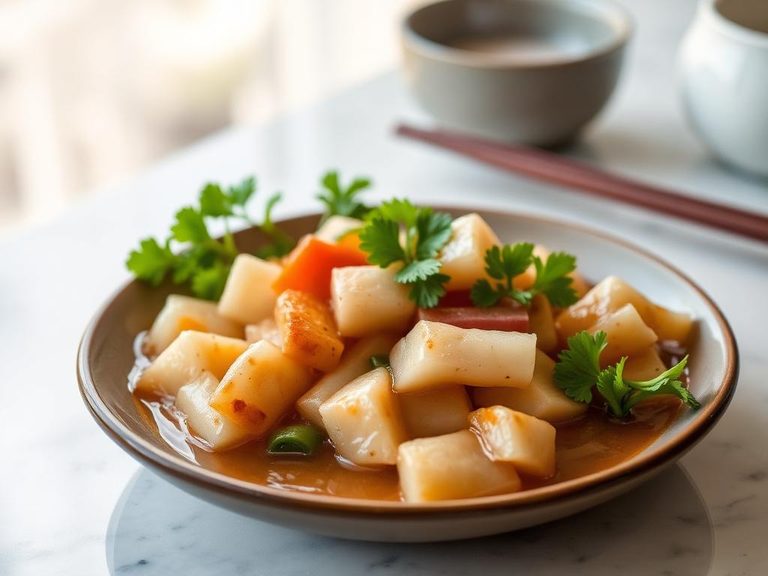
Vietnamese Canh is a light, savory soup that is a fundamental part of a traditional Vietnamese meal, typically served alongside rice, a main protein dish, and other sides. It is characterized by its clear, flavorful broth and the use of fresh vegetables, herbs, and often tofu, shrimp, or fish. This humble dish hails from Vietnam and is cherished for its comforting, home-cooked nature.
🍽️ Nutrition at a glance
Canh is generally low in fat and carbohydrates, with its protein content depending on the specific ingredients used, such as tofu or seafood. It is a good source of vitamins and minerals from the abundant vegetables and herbs, and a typical serving is quite low in calories, usually around 50-100 kcal.
Nutrition breakdown
| Calories | 45 kcal |
| Protein | 4 g |
| Carbs | 6 g |
| Fat | 1 g |
| Fiber | 1.5 g |
| Sugar | 2 g |
| Sodium | 800 mg |
| Potassium | 300 mg |
| Vitamin A | 150 mcg RAE |
| Vitamin C | 10 mg |
| Calcium | 40 mg |
| Iron | 1.5 mg |
| Vitamin K | 30 mcg |
| Folate | 25 mcg DFE |
| Magnesium | 20 mg |
Per 1 bowl (300 g) · estimated, varies by recipe
💡 What's interesting
Culturally, Canh embodies the Vietnamese philosophy of balance, providing a light, hydrating, and nutritious counterpoint to richer dishes in a meal. Nutritionally, it's a clever way to increase vegetable intake and hydration, with the broth often believed to aid digestion.
🍽️ Related dishes
AI estimate may be inaccurate · Terms