Used in Baby Food Pouches
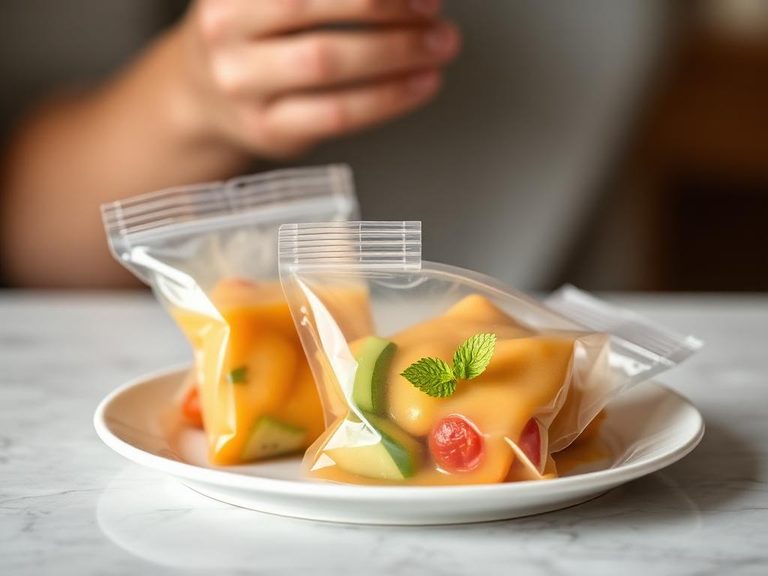
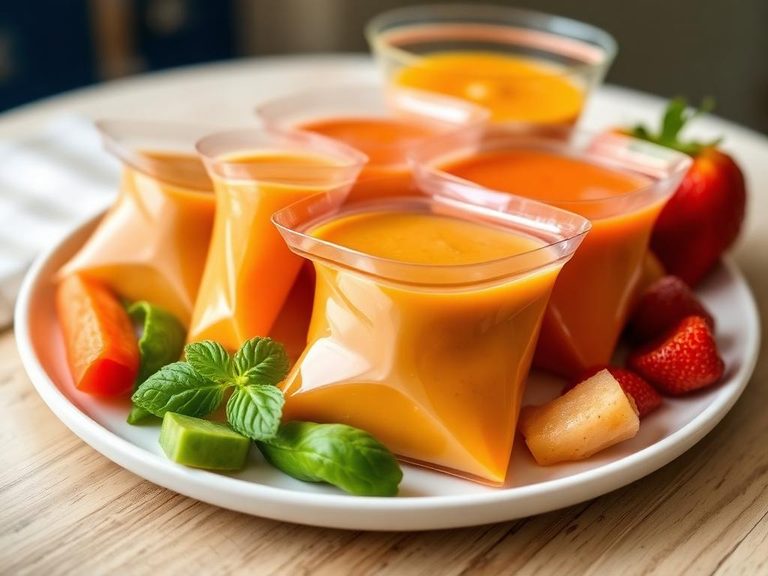
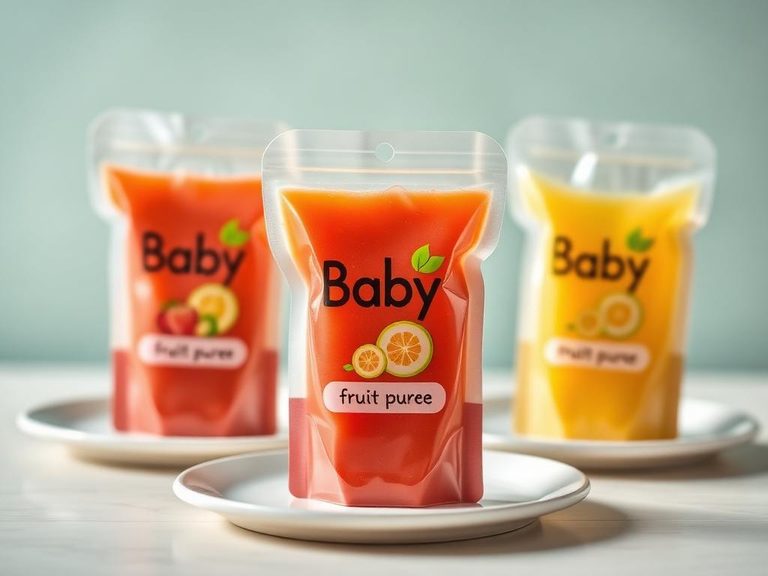
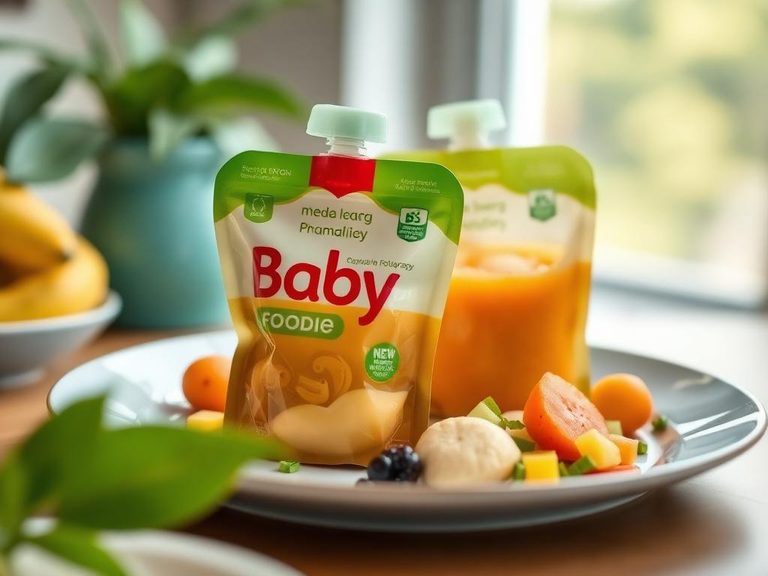
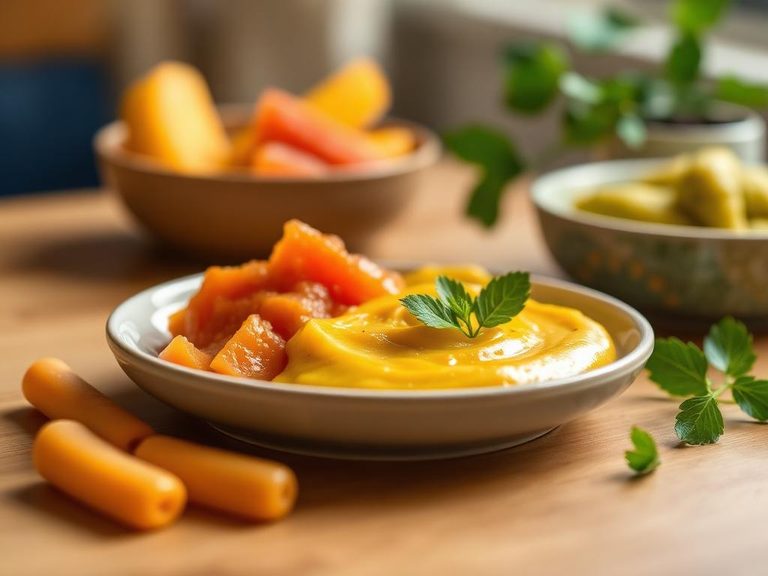
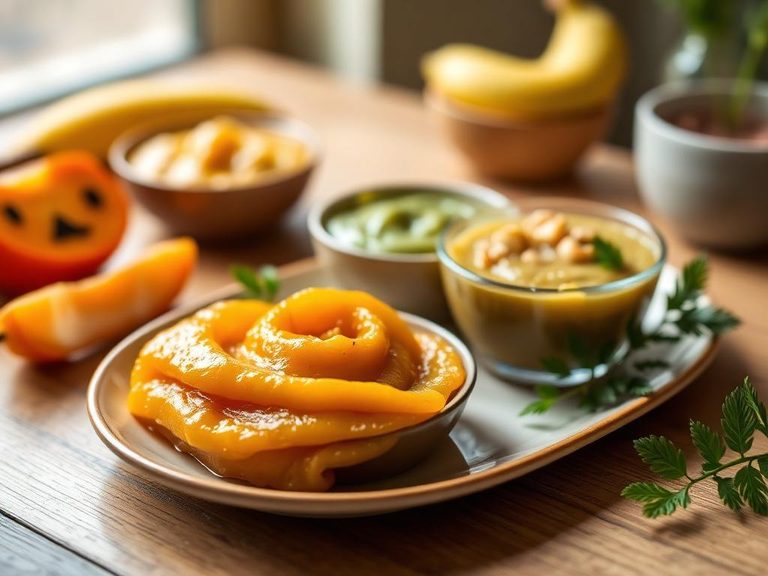
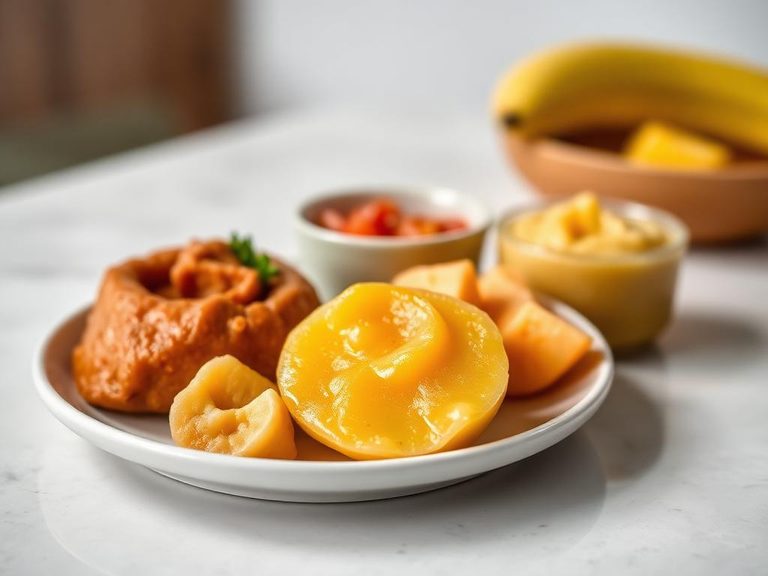
Baby food pouches are convenient, squeezable packages of pureed or finely mashed food designed for infants and toddlers. They typically contain a blend of fruits, vegetables, grains, and sometimes protein sources like chicken or lentils, often combined with water or broth for the right consistency. While the concept is global, the format was popularized and is most prevalent in Western markets, particularly the United States and Europe.
🍽️ Nutrition at a glance
These pouches are generally moderate in carbohydrates, primarily from natural fruit and vegetable sugars, with low fat and protein unless specifically fortified. They are a good source of vitamins like A and C, potassium, and some provide iron, with a typical serving (about 90-113g) ranging from 50 to 100 calories.
Nutrition breakdown
| Calories | 60 kcal |
| Protein | 1 g |
| Carbs | 13 g |
| Fat | 0.5 g |
| Fiber | 2 g |
| Sugar | 8 g |
| Sodium | 15 mg |
| Vitamin A | 120 mcg RAE |
| Vitamin C | 15 mg |
| Potassium | 200 mg |
| Iron | 1.5 mg |
| Calcium | 30 mg |
| Vitamin E | 1 mg |
| Thiamin (B1) | 0.1 mg |
| Folate | 30 mcg DFE |
Per 1 pouch (99 g) · estimated, varies by recipe
💡 What's interesting
The pouch format revolutionized baby food by offering a mess-free, portable, and preservative-free alternative to jarred food, often using aseptic packaging to maintain freshness. Nutritionally, they can be a key tool for introducing a wide variety of flavors and nutrients during the critical window of complementary feeding.