Baby food pouches
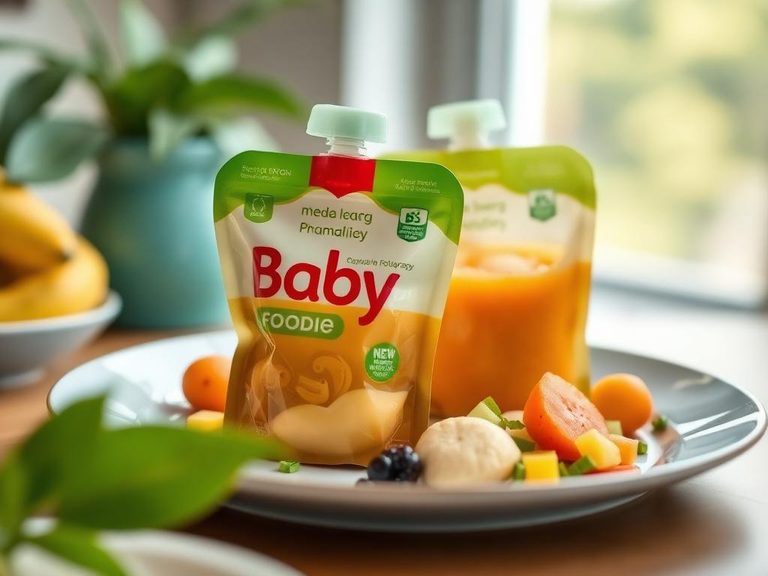
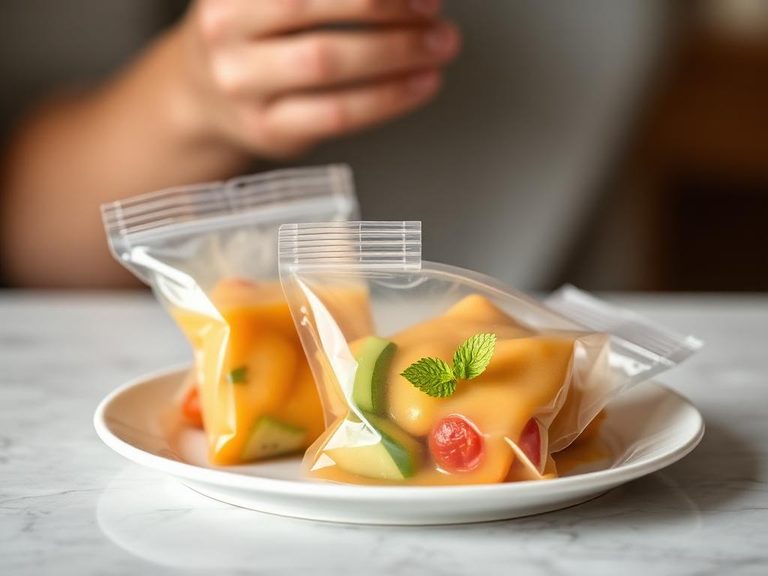
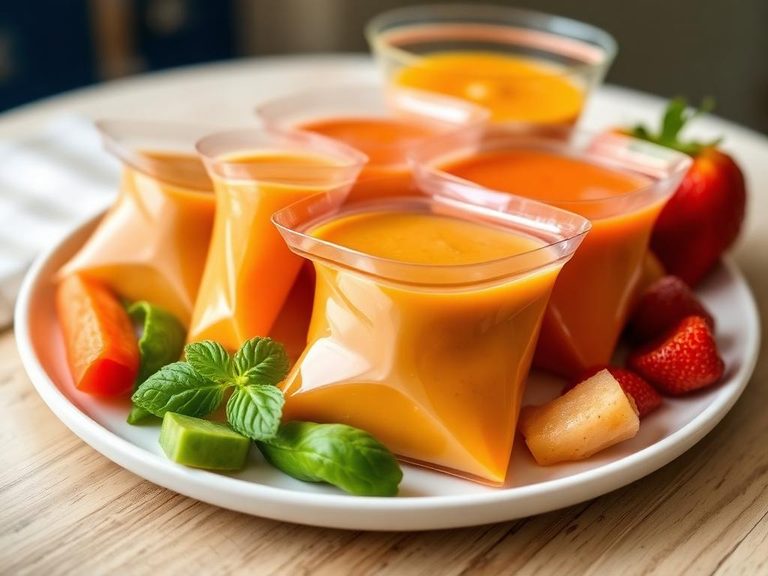
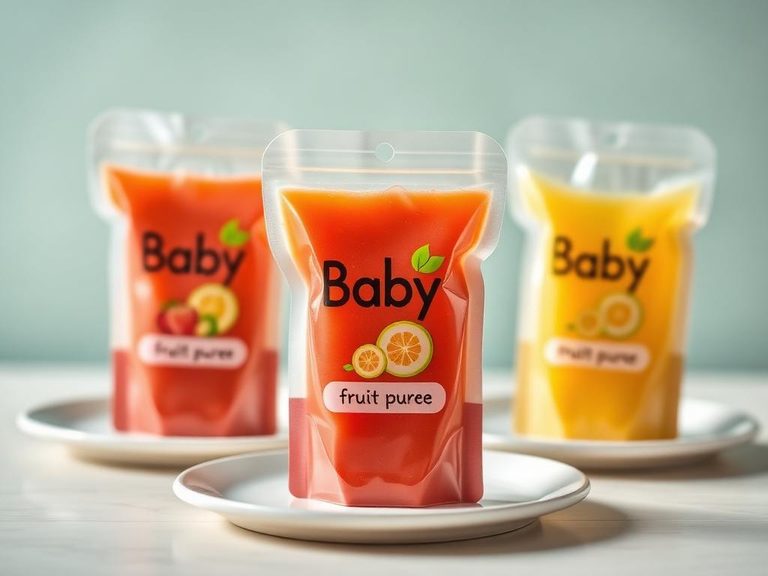
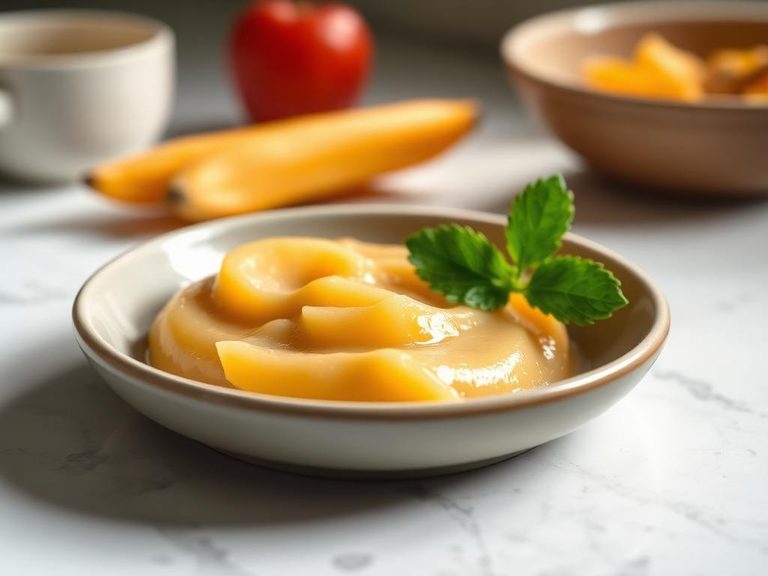
Baby food pouches are a convenient, modern form of infant nutrition, typically containing pureed fruits, vegetables, and sometimes grains or proteins. They originated as a commercial product in the late 20th century, primarily in Western markets like the United States and Europe, to offer parents an easy, on-the-go feeding option.
🍽️ Nutrition at a glance
These pouches are generally high in carbohydrates from natural fruit sugars and are often fortified with key nutrients like iron and vitamin C. A typical 90-gram serving provides a modest 50-80 calories, designed for an infant's small stomach and energy needs.
Nutrition breakdown
| Calories | 60 kcal |
| Protein | 0.8 g |
| Carbs | 13 g |
| Fat | 0.2 g |
| Fiber | 1.5 g |
| Sugar | 9 g |
| Sodium | 15 mg |
| Vitamin C | 15 mg |
| Iron | 1.5 mg |
| Potassium | 120 mg |
| Calcium | 20 mg |
| Vitamin A | 80 mcg |
| Vitamin E | 0.5 mg |
Per 1 pouch (90 g) · estimated, varies by recipe
💡 What's interesting
The pouch format represents a significant shift in infant feeding culture, prioritizing convenience and portability over traditional home-prepared spoon-feeding. Nutritionally, they are often designed to meet specific developmental milestones, with textures and nutrient profiles tailored to different stages of weaning.