Used as a natural sweetener in pancake batter
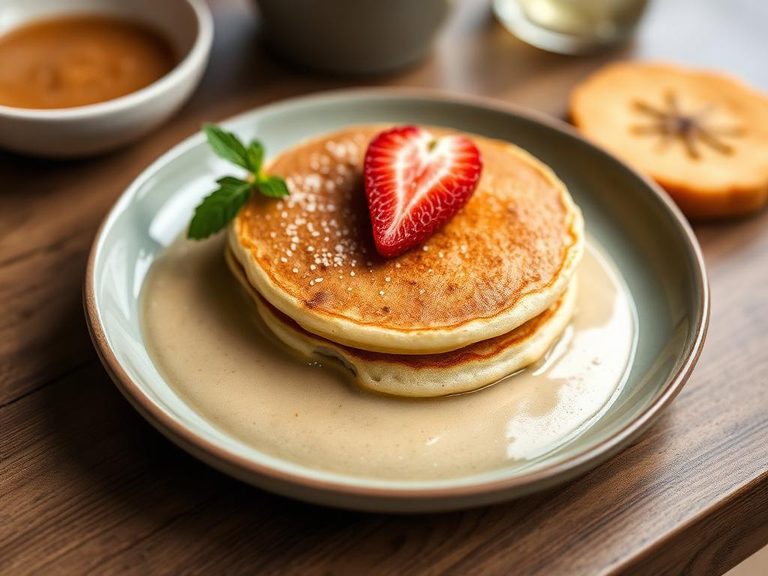
This isn't a standalone dish, but a common ingredient preparation: mashed ripe bananas are used as a natural sweetener and binder in pancake batter. The core ingredients are simply very ripe bananas, often combined with flour, eggs, and a leavening agent. This technique is popular in health-conscious and home cooking worldwide, particularly in North America and Europe.
🍽️ Nutrition at a glance
This ingredient addition makes the pancakes a moderate source of carbohydrates, primarily from natural sugars and some fiber, while contributing minimal fat and a small amount of protein. A serving provides key nutrients like potassium and vitamin B6, with a calorie count that depends on the overall pancake recipe but the banana itself adds roughly 100 calories per medium fruit.
Nutrition breakdown
| Calories | 105 kcal |
| Protein | 1.3 g |
| Carbs | 27 g |
| Fat | 0.4 g |
| Fiber | 3.1 g |
| Sugar | 14 g |
| Sodium | 1 mg |
| Potassium | 422 mg |
| Vitamin B6 | 0.43 mg |
| Vitamin C | 10.3 mg |
| Magnesium | 32 mg |
| Manganese | 0.32 mg |
| Folate | 24 mcg |
Per 1 medium banana (118 g), mashed · estimated, varies by recipe
💡 What's interesting
Using bananas as a sweetener is a classic example of functional food pairing, where a single ingredient serves multiple roles: it adds sweetness, moisture, and binding properties, often allowing for a reduction in added sugars and fats. Nutritionally, it boosts the potassium and fiber content of the final dish compared to using only refined sugar.
🍽️ Related dishes
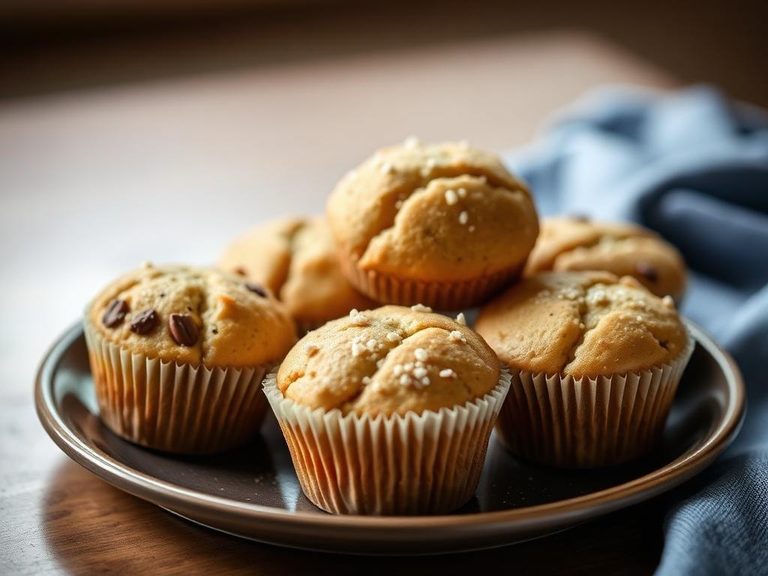 Used as a natural sweetener in baked goods like muffins
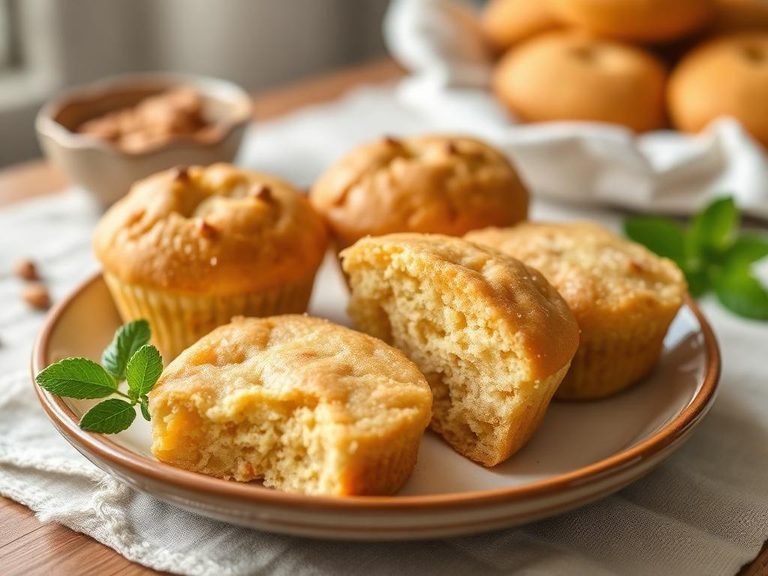 Natural sweetener in homemade baked goods
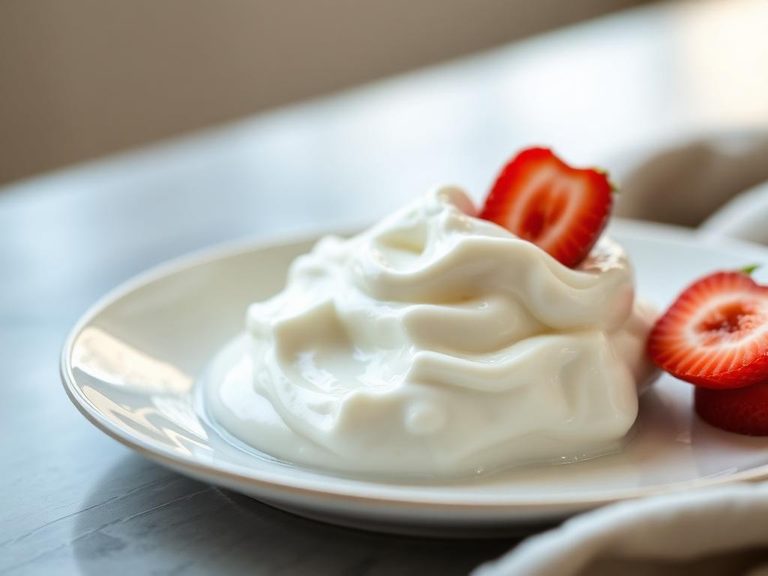 Natural Yogurt Sweetener
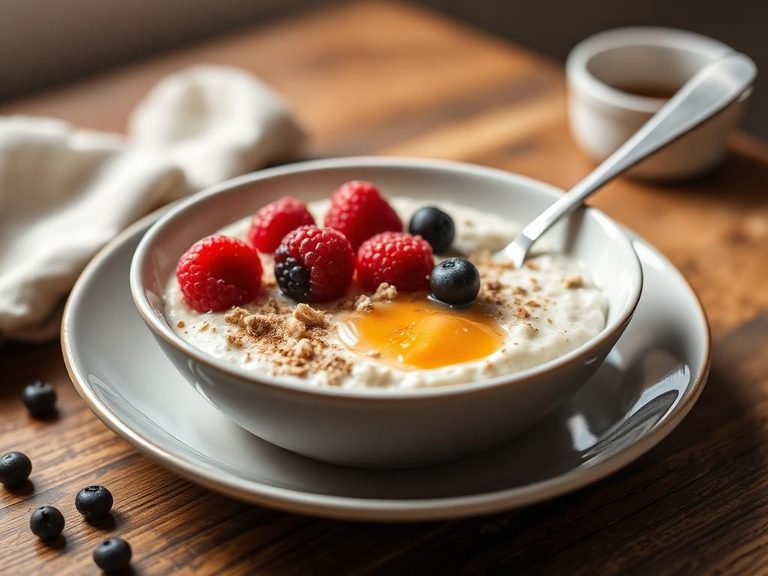 Natural sweetener in oatmeal or yogurt
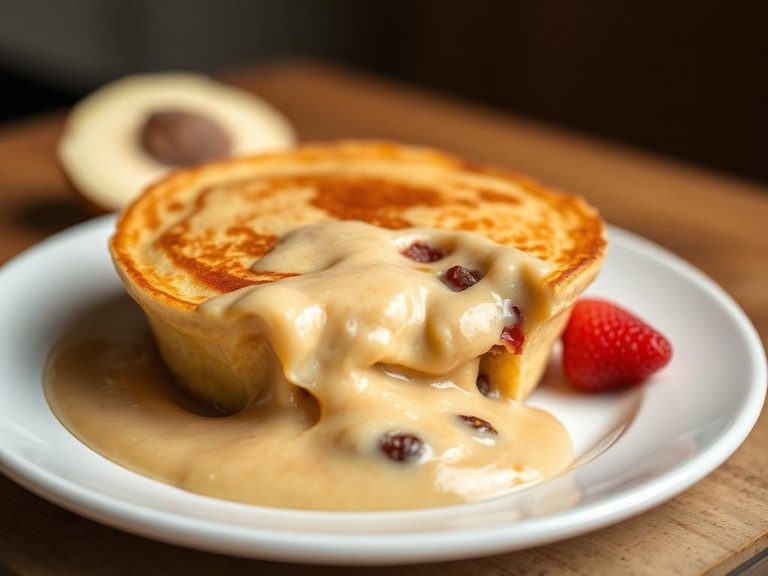 Mixed into pancake or muffin batter for natural sweetness.
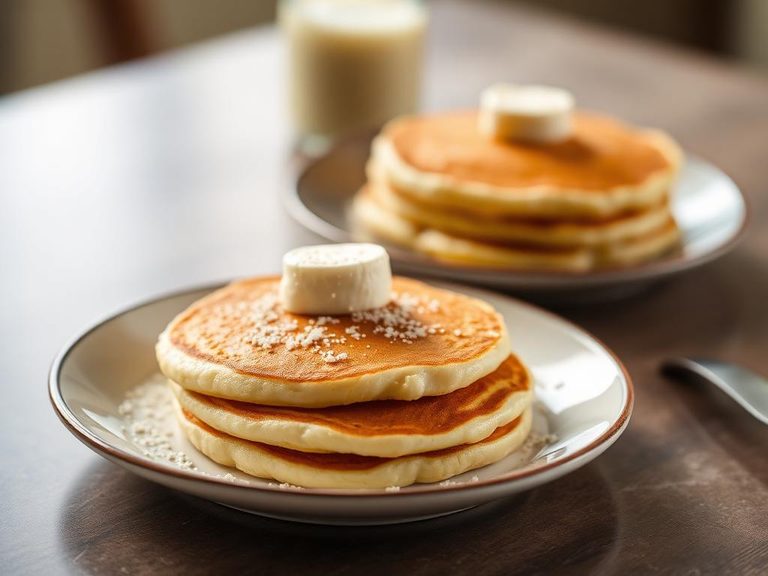 Natural Pancake Batter Flavoring
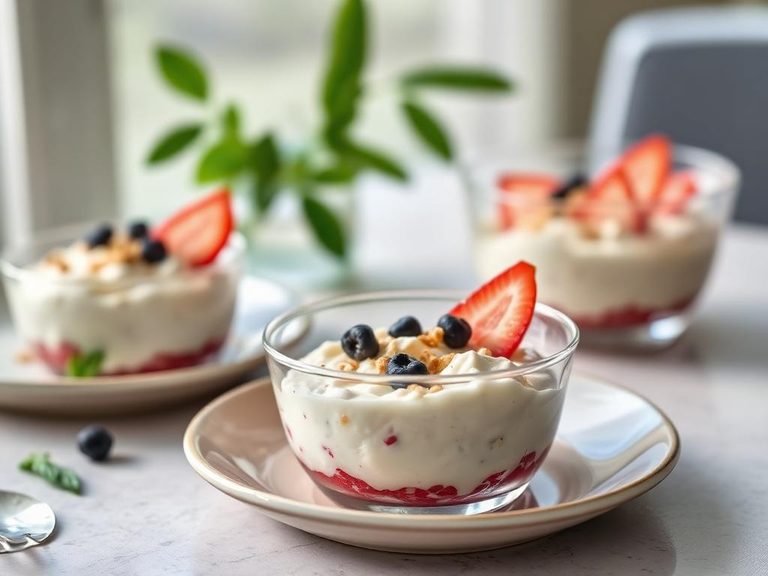 Used as a natural flavoring in yogurts and desserts
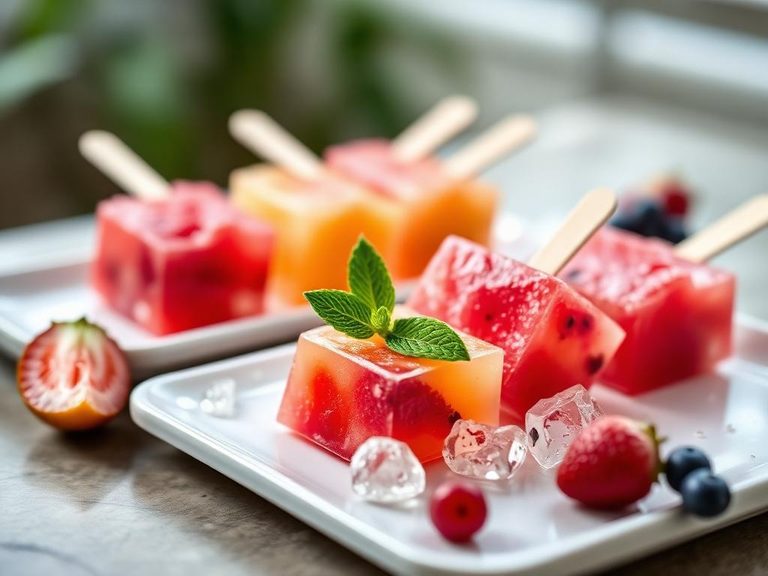 Natural Fruit Ice Lollies