Natural sweetener in homemade baked goods
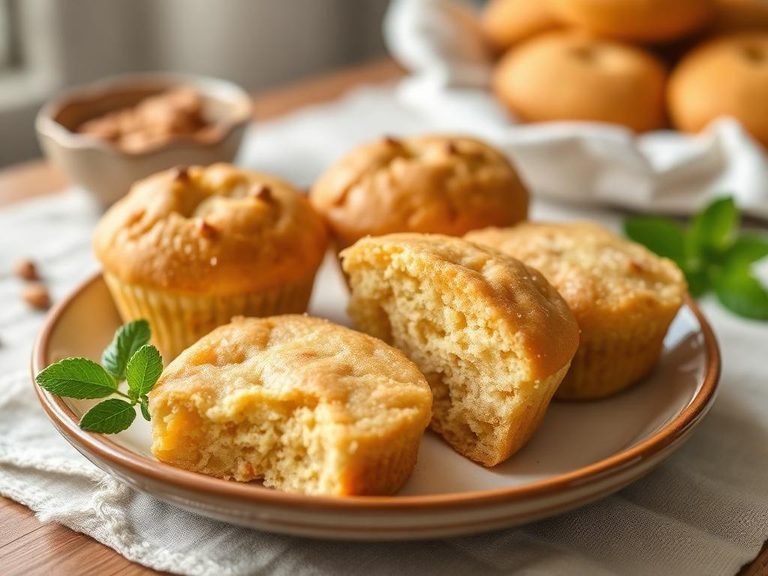
Natural sweetener in homemade baked goods refers to the practice of using unrefined, plant-based sweeteners like honey, maple syrup, dates, or mashed bananas to replace refined white sugar in recipes. These ingredients add moisture, distinct flavors, and a more wholesome profile to items like muffins, cookies, and quick breads. This approach is a global home-baking tradition, with variations depending on regional availability of ingredients.
🍽️ Nutrition at a glance
These baked goods are typically high in carbohydrates, primarily from natural sugars and starches, with a modest amount of fiber. They provide key nutrients like potassium (from bananas or dates) and manganese (from maple syrup), with a calorie range of 180-250 kcal per standard serving, depending on the specific sweetener and recipe.
Nutrition breakdown
| Calories | 210 kcal |
| Protein | 3 g |
| Carbs | 38 g |
| Fat | 5 g |
| Fiber | 2 g |
| Sugar | 20 g |
| Sodium | 180 mg |
| Potassium | 150 mg |
| Manganese | 0.5 mg |
| Iron | 1.2 mg |
| Magnesium | 20 mg |
| Phosphorus | 45 mg |
| Vitamin B6 | 0.1 mg |
| Copper | 0.1 mg |
| Selenium | 4 mcg |
Per 1 medium muffin (113 g) · estimated, varies by recipe
💡 What's interesting
Nutritionally interesting is that these sweeteners often come packaged with trace minerals and antioxidants absent in refined sugar. Culturally, this practice reflects a long-standing home-kitchen wisdom across many cuisines to use available, less-processed ingredients for both flavor and perceived health benefits.
🍽️ Related dishes
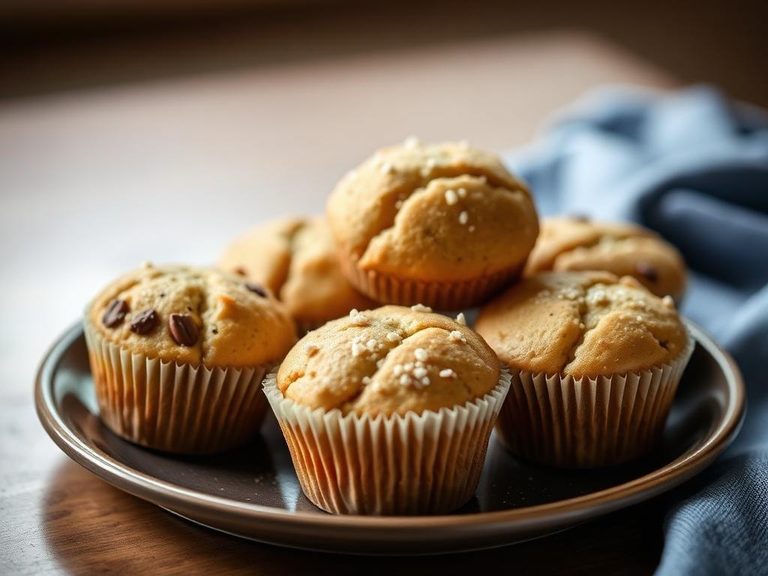 Used as a natural sweetener in baked goods like muffins
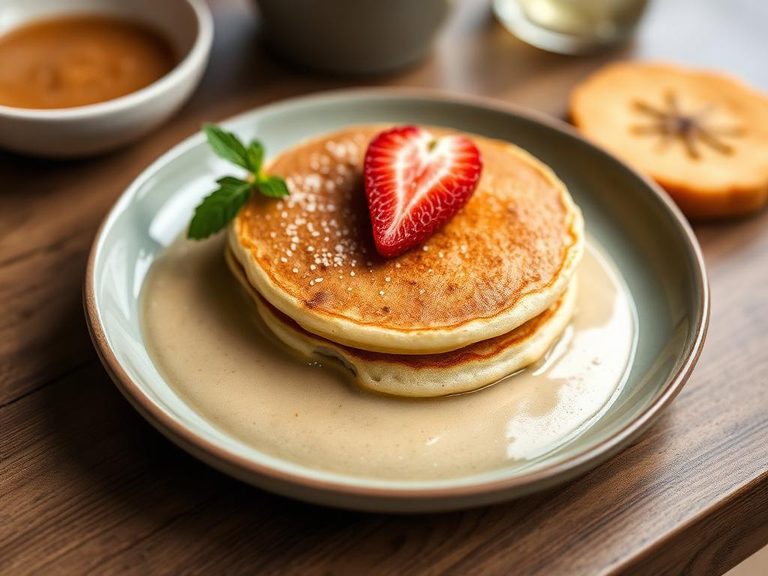 Used as a natural sweetener in pancake batter
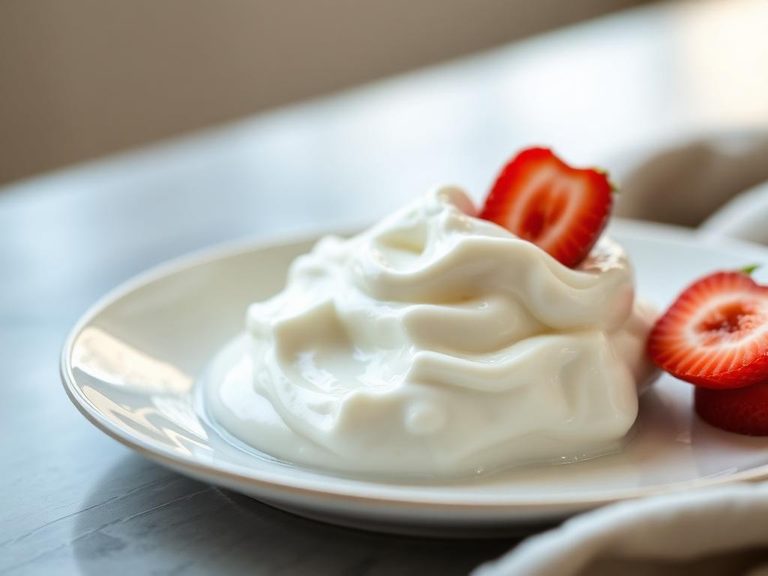 Natural Yogurt Sweetener
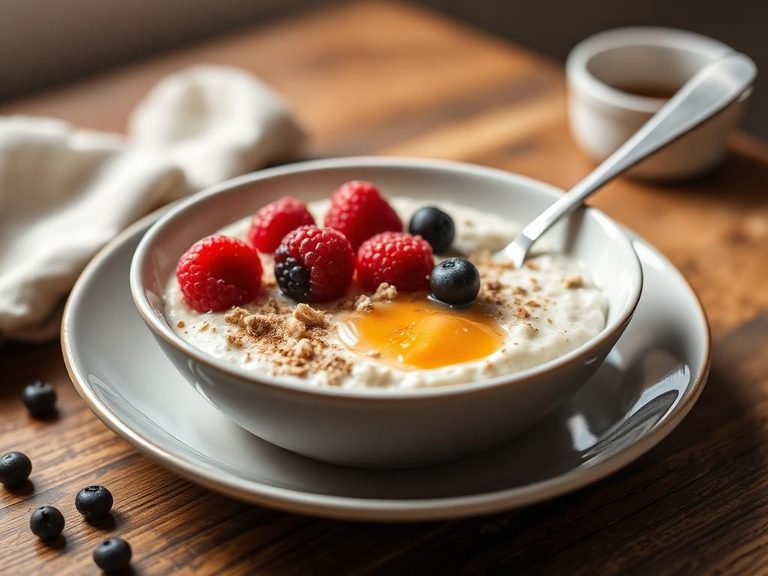 Natural sweetener in oatmeal or yogurt
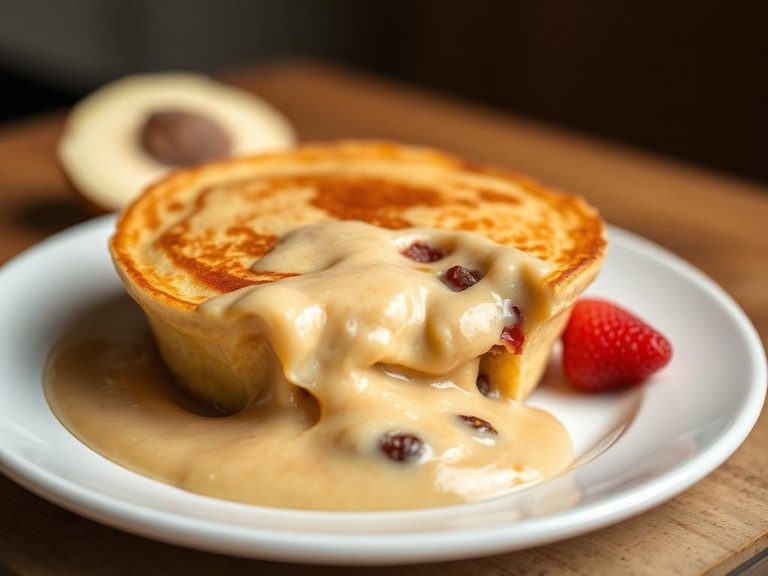 Mixed into pancake or muffin batter for natural sweetness.
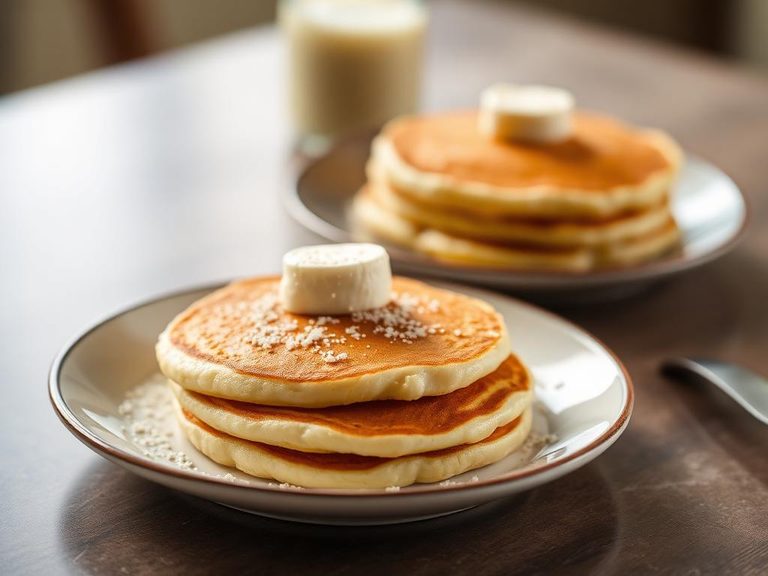 Natural Pancake Batter Flavoring
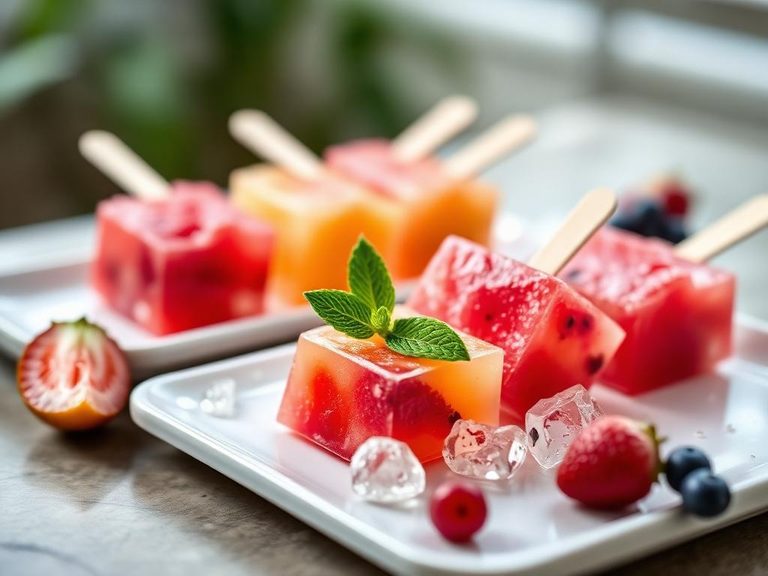 Natural Fruit Ice Lollies
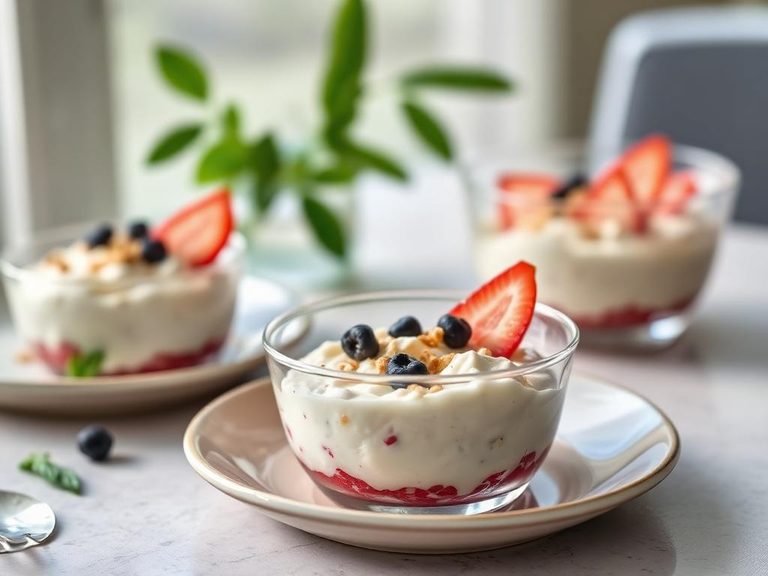 Used as a natural flavoring in yogurts and desserts