

TV Dinner
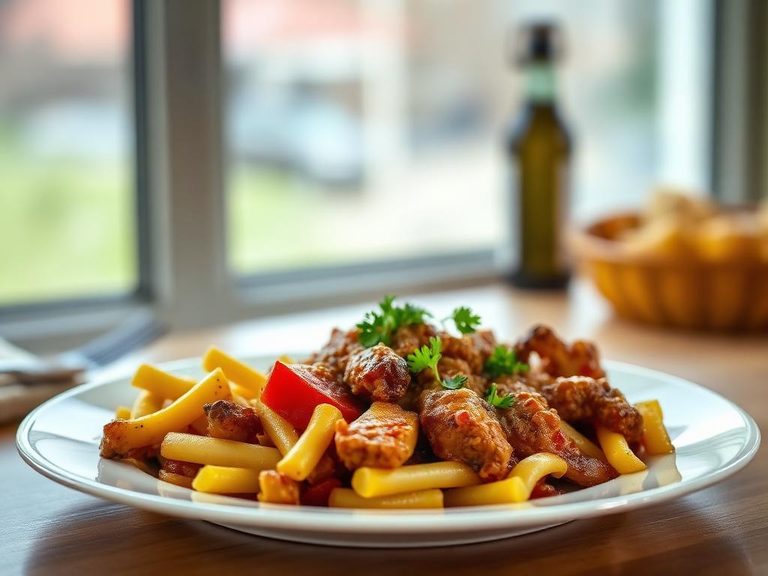
A TV Dinner is a pre-packaged, frozen meal designed for quick heating and convenient eating, often enjoyed in front of the television. It typically features a compartmentalized tray with a main protein like fried chicken or meatloaf, starchy sides such as mashed potatoes or corn, and a vegetable like peas or green beans. Originating in the United States in the 1950s, it became an iconic symbol of mid-century modern convenience and changing American eating habits.
🍳 View the full TV Dinner recipe →
🍽️ Nutrition at a glance
TV dinners are generally high in sodium, fat, and refined carbohydrates, with moderate protein depending on the main dish. They often provide essential nutrients like iron and B vitamins from the meat, but can be low in fiber and fresh vegetables, with a typical calorie range of 300 to 600 per serving.
Nutrition breakdown
| Calories | 350 kcal |
| Protein | 15 g |
| Carbs | 40 g |
| Fat | 14 g |
| Fiber | 3 g |
| Sugar | 6 g |
| Sodium | 700 mg |
| Potassium | 350 mg |
| Iron | 2.5 mg |
| Vitamin A | 300 mcg RAE |
| Vitamin C | 10 mg |
| Calcium | 100 mg |
| Vitamin D | 1.5 mcg |
| Thiamin (B1) | 0.3 mg |
| Niacin (B3) | 4 mg |
Per 1 meal (280-340 g) · estimated, varies by recipe
💡 What's interesting
Culturally, TV dinners revolutionized mealtime by aligning it with the rise of television viewing, reflecting a shift toward individualism and time-saving in post-war America. Nutritionally, they highlight the trade-off between convenience and balanced eating, often serving as a case study in processed food's impact on diet.
🍽️ Related dishes





AI estimate may be inaccurate · Terms