

Traditional Lamb Roasts
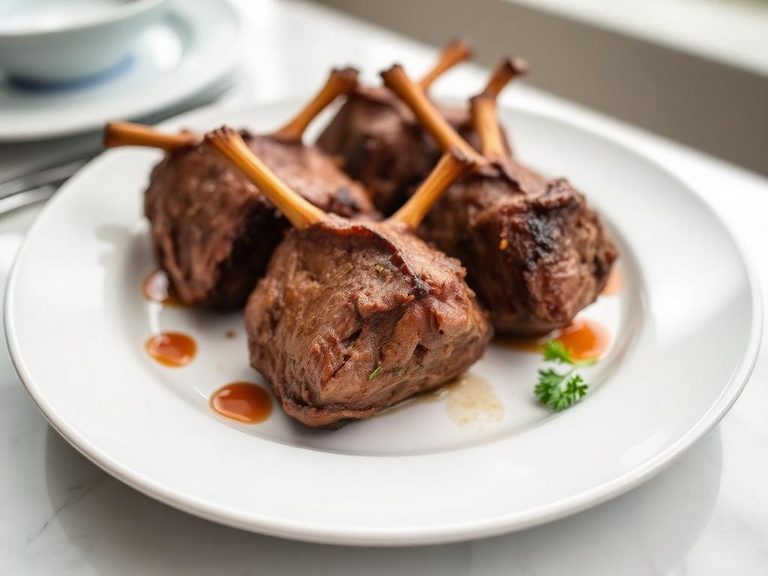
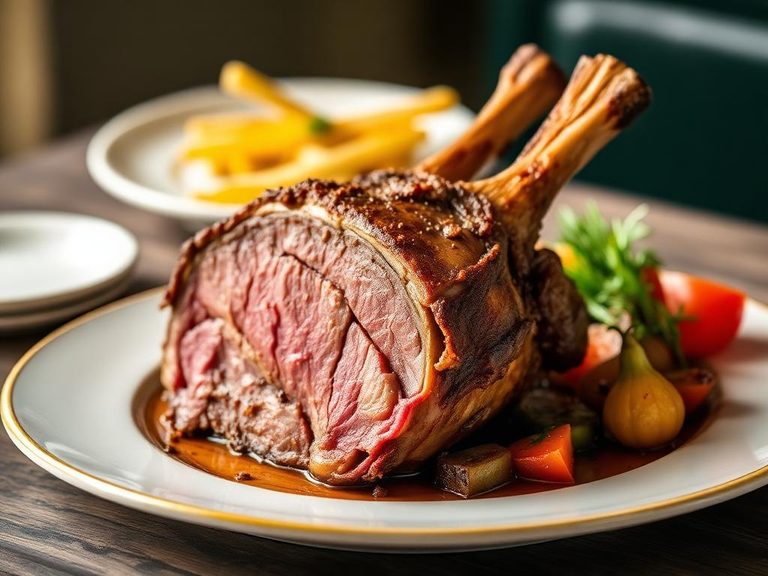
Traditional lamb roasts are a celebratory centerpiece dish featuring a whole or large cut of lamb, slow-roasted to tender perfection. The meat is typically seasoned with a classic blend of garlic, rosemary, thyme, and olive oil, often accompanied by roasted root vegetables like potatoes and carrots. This method of preparation is deeply rooted in the culinary traditions of the Mediterranean, the Middle East, and the British Isles.
🍽️ Nutrition at a glance
This dish is a powerhouse of high-quality protein and healthy fats, with virtually no carbohydrates. It is an excellent source of essential nutrients like iron, zinc, and B vitamins, particularly B12. A typical serving of roasted lamb with vegetables provides a substantial meal, with a rough calorie ballpark of 400-500 kcal.
Nutrition breakdown
| Calories | 450 kcal |
| Protein | 35 g |
| Carbs | 10 g |
| Fat | 30 g |
| Fiber | 3 g |
| Sugar | 4 g |
| Sodium | 650 mg |
| Iron | 3.5 mg |
| Zinc | 6 mg |
| Vitamin B12 | 2.5 mcg |
| Niacin (B3) | 8 mg |
| Selenium | 30 mcg |
| Phosphorus | 250 mg |
| Potassium | 400 mg |
| Vitamin B6 | 0.5 mg |
Per 1 serving (250 g) of roasted lamb leg with some pan juices and vegetables · estimated, varies by recipe
💡 What's interesting
Lamb roasts are often the focal point of significant cultural and family gatherings, such as Easter, Passover, or Sunday family dinners. Nutritionally, lamb is one of the richest dietary sources of conjugated linoleic acid (CLA), a type of fat studied for its potential health benefits.
🍽️ Related dishes
AI estimate may be inaccurate · Terms