

Traditional Alaskan Native preparations
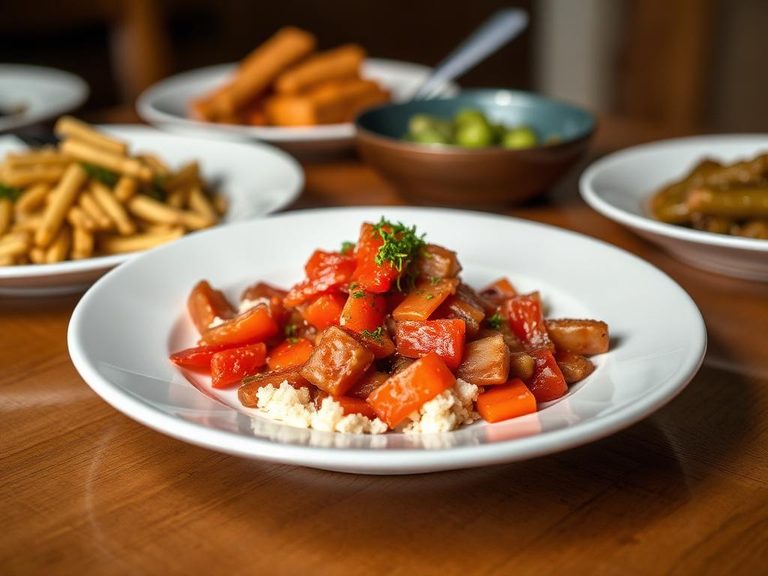
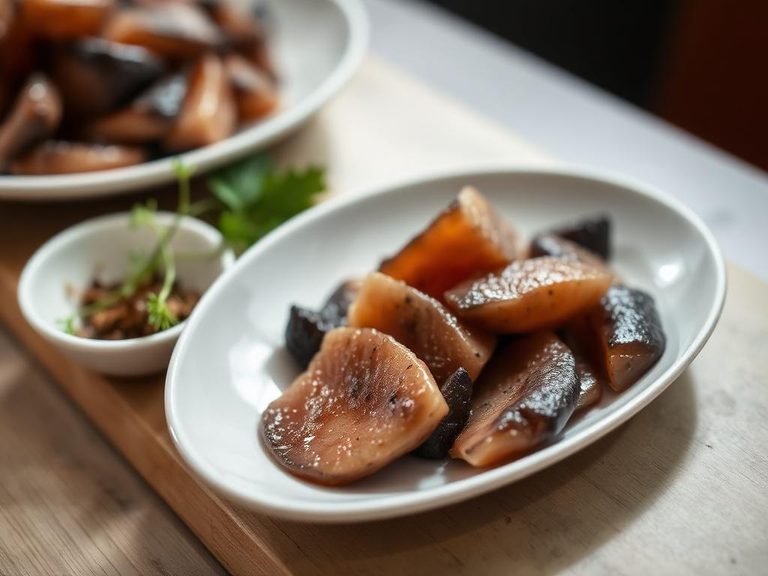
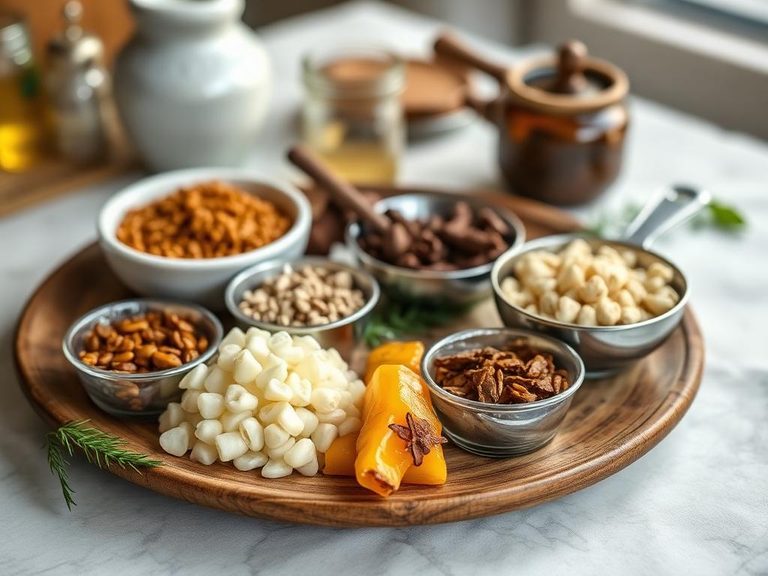
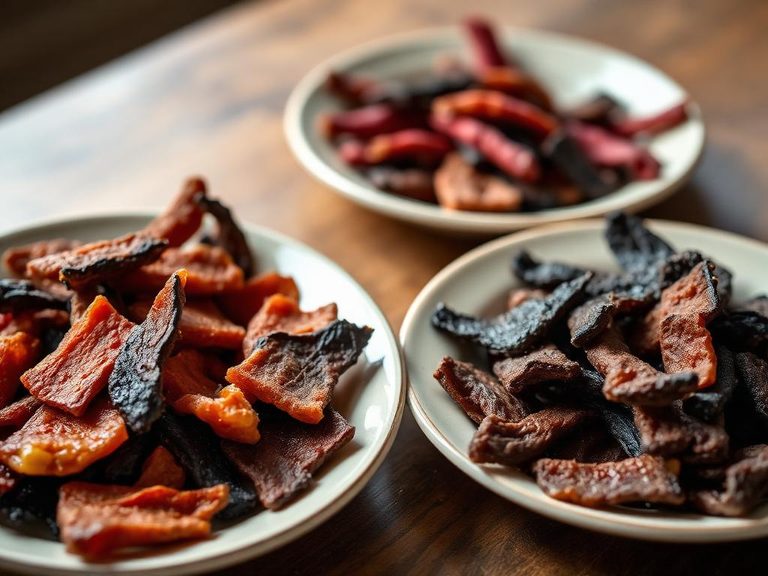
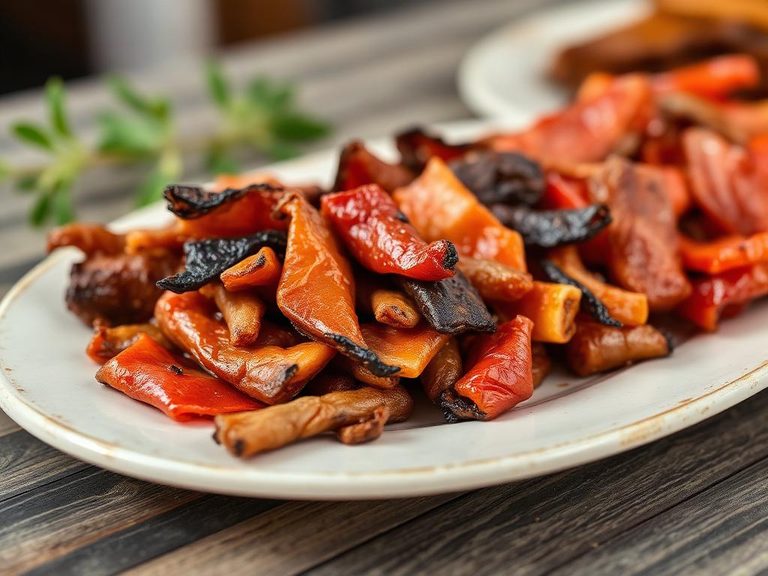
Traditional Alaskan Native preparations refer to a diverse range of indigenous foods, often centered around the subsistence lifestyle of Yup'ik, Inupiat, and Athabascan peoples. These dishes typically feature wild-caught fish like salmon, marine mammals, game, and foraged plants such as berries and wild greens. The methods of preparation are deeply rooted in the environment, utilizing techniques like smoking, drying, fermenting, and rendering fat to preserve food through harsh winters.
🍽️ Nutrition at a glance
These preparations are generally high in protein and healthy fats, particularly omega-3 fatty acids from fish and marine mammals. They provide essential nutrients like vitamin D, B vitamins, and iron, with a calorie count that varies widely but can be quite dense due to the inclusion of animal fats like seal oil or ooligan grease.
Nutrition breakdown
| Calories | 450 kcal |
| Protein | 25 g |
| Carbs | 15 g |
| Fat | 32 g |
| Fiber | 3 g |
| Sugar | 8 g |
| Sodium | 350 mg |
| Omega-3 Fatty Acids | 2.5 g |
| Vitamin D | 15 mcg |
| Vitamin B12 | 8 mcg |
| Iron | 3 mg |
| Potassium | 400 mg |
| Selenium | 35 mcg |
| Vitamin A | 120 mcg |
| Calcium | 45 mg |
Per 1 cup (225 g) of a typical mixed dish like Akutaq (Eskimo Ice Cream) or a fish and berry stew · estimated, varies by recipe
💡 What's interesting
A unique cultural aspect is the practice of fermentation, such as in 'stink heads' (fermented salmon heads), which creates a pungent, cheese-like delicacy rich in probiotics. Nutritionally, the reliance on whole, unprocessed foods from the land and sea makes these preparations exceptionally nutrient-dense and perfectly adapted to the Arctic climate.
🍽️ Related dishes
AI estimate may be inaccurate · Terms