Tokaji Aszú with foie gras
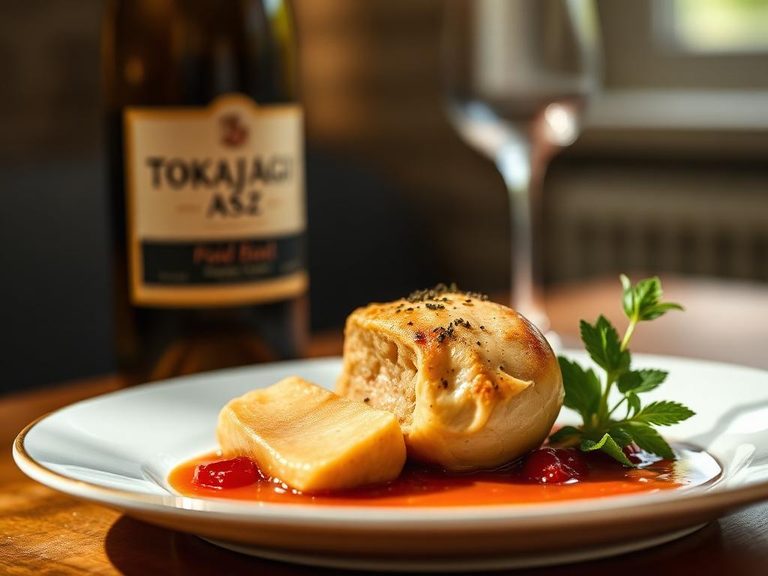
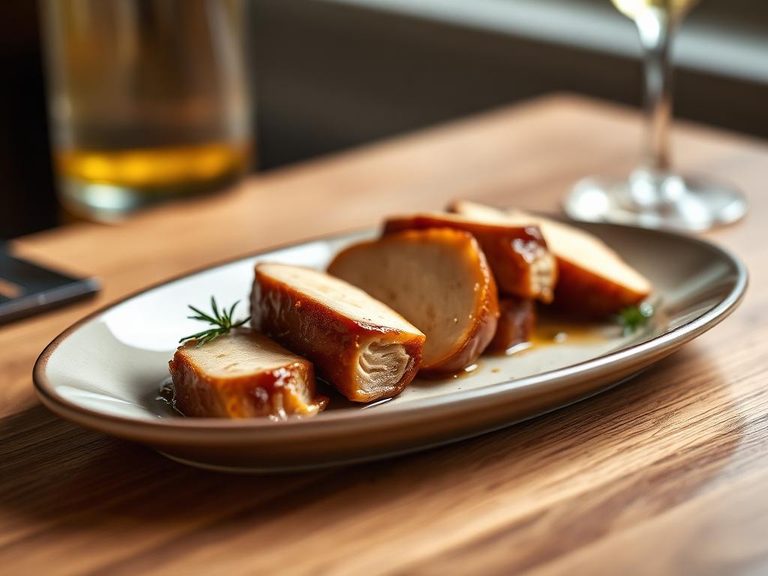
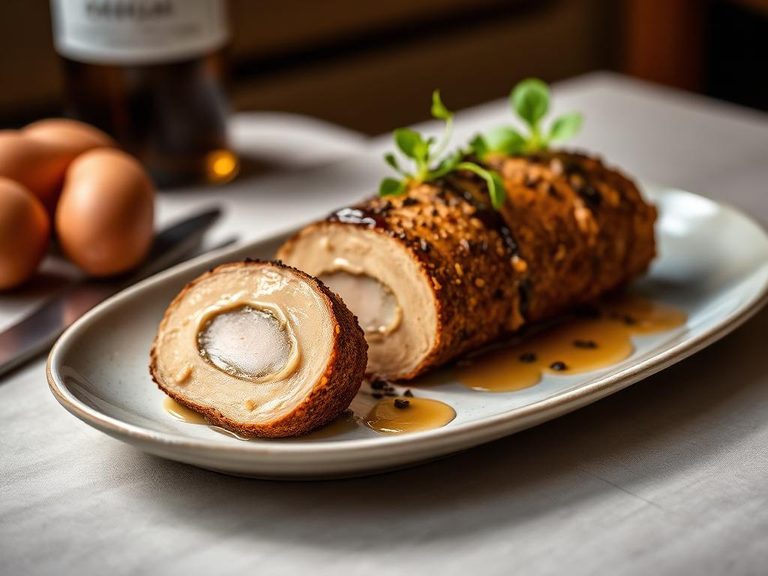
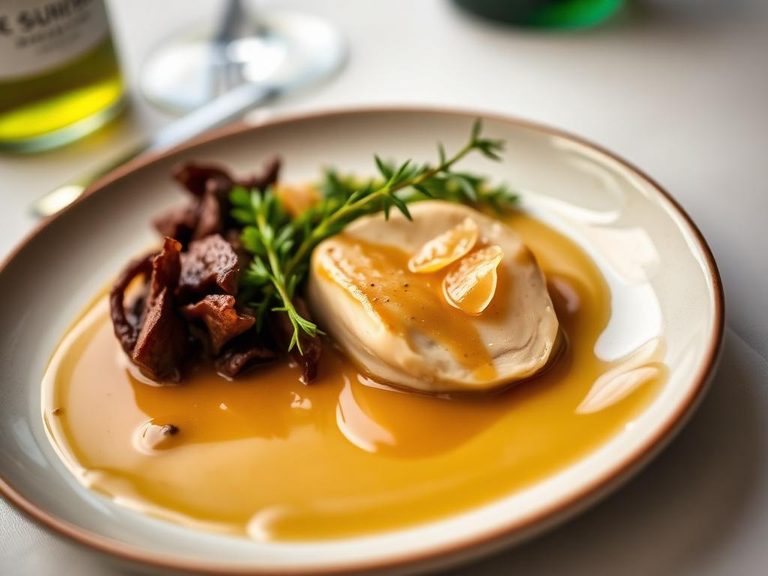
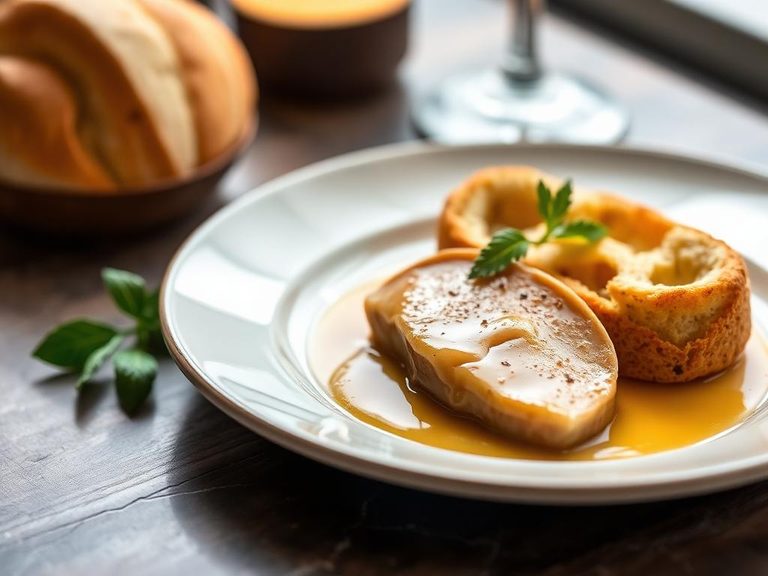
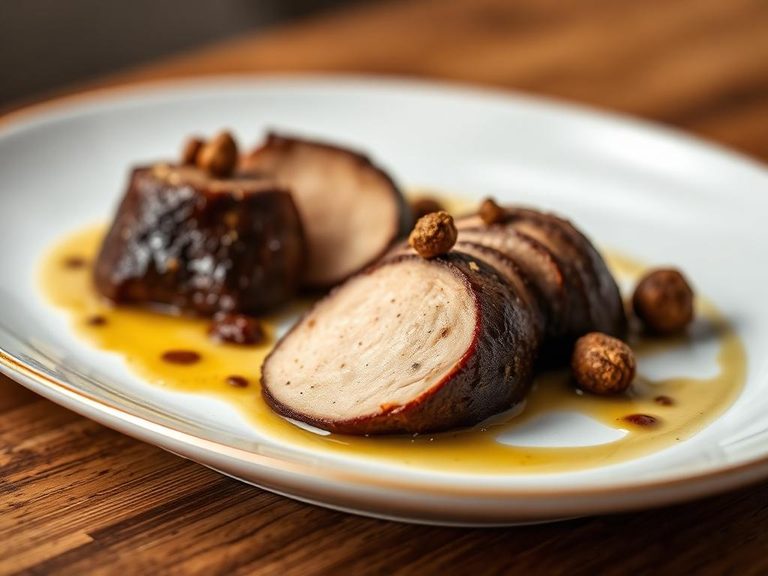
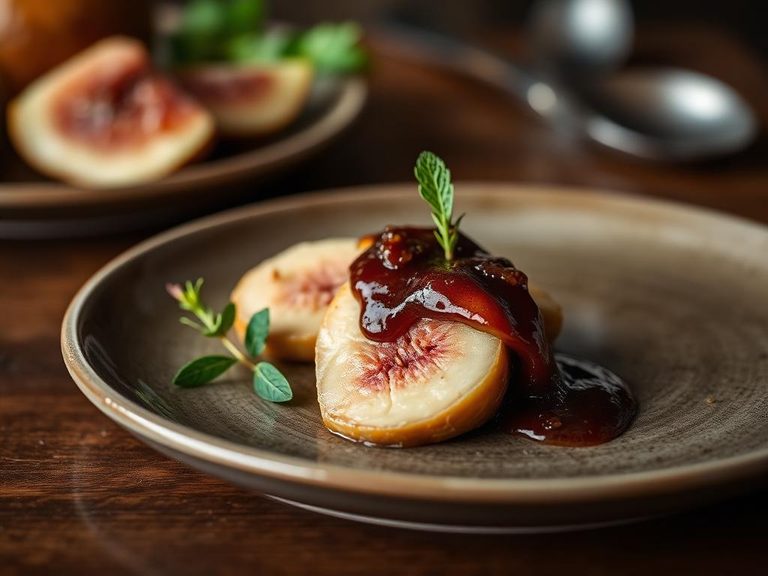
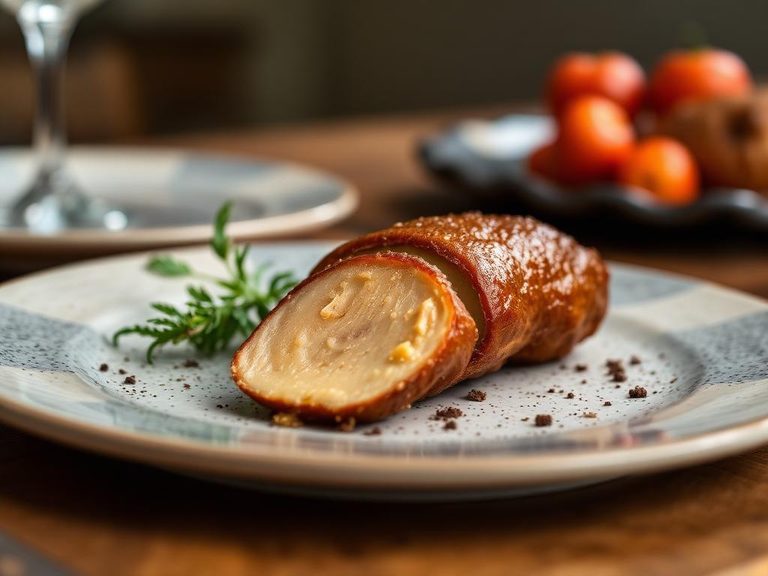
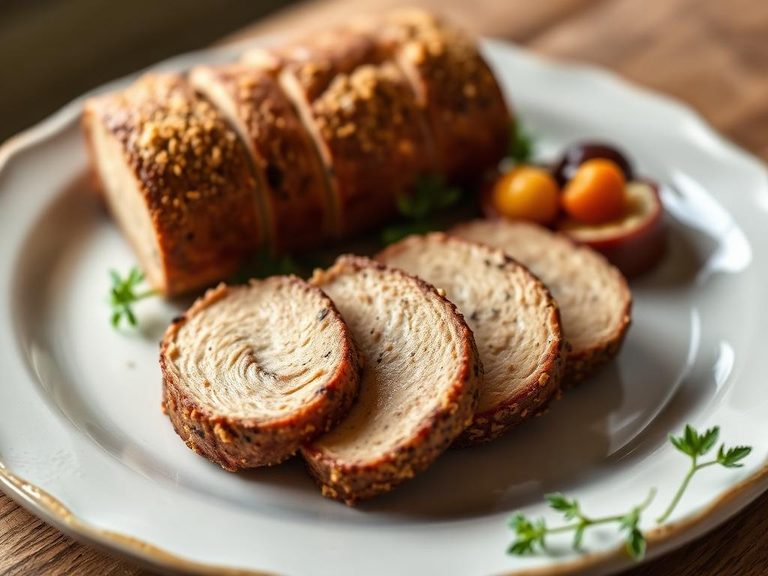
Tokaji Aszú with foie gras is a luxurious pairing of Hungarian sweet wine and French-style duck or goose liver. The dish typically features a seared or chilled foie gras served alongside or drizzled with the honeyed, botrytized Tokaji Aszú wine, often accompanied by toast or fruit compote. It is a classic example of European haute cuisine, blending Hungarian and French culinary traditions.
🍽️ Nutrition at a glance
This dish is extremely high in fat, particularly from the foie gras, and provides a moderate amount of protein. The Tokaji Aszú contributes significant natural sugars and carbohydrates, while the foie gras offers vitamins A and B12, iron, and copper. A typical serving is very calorie-dense, likely ranging from 500 to 800 kcal.
Nutrition breakdown
| Calories | 650 kcal |
| Protein | 12 g |
| Carbs | 25 g |
| Fat | 55 g |
| Fiber | 0.5 g |
| Sugar | 20 g |
| Sodium | 280 mg |
| Vitamin A | 1200 µg |
| Vitamin B12 | 3.5 µg |
| Iron | 4.5 mg |
| Copper | 0.4 mg |
| Riboflavin (B2) | 0.5 mg |
| Potassium | 350 mg |
| Phosphorus | 220 mg |
| Selenium | 12 µg |
Per 1 serving: 80 g foie gras + 60 ml (60 g) Tokaji Aszú wine + 30 g toast points · estimated, varies by recipe
💡 What's interesting
Culturally, this pairing represents a historic bridge between Hungarian and French gastronomy, often considered a pinnacle of luxury dining. Nutritionally, foie gras is unusually rich in certain nutrients like iron and vitamin A compared to other meats, while Tokaji Aszú is renowned for its high concentration of antioxidants from the 'noble rot' (Botrytis cinerea) used in its production.