Tea Popsicles
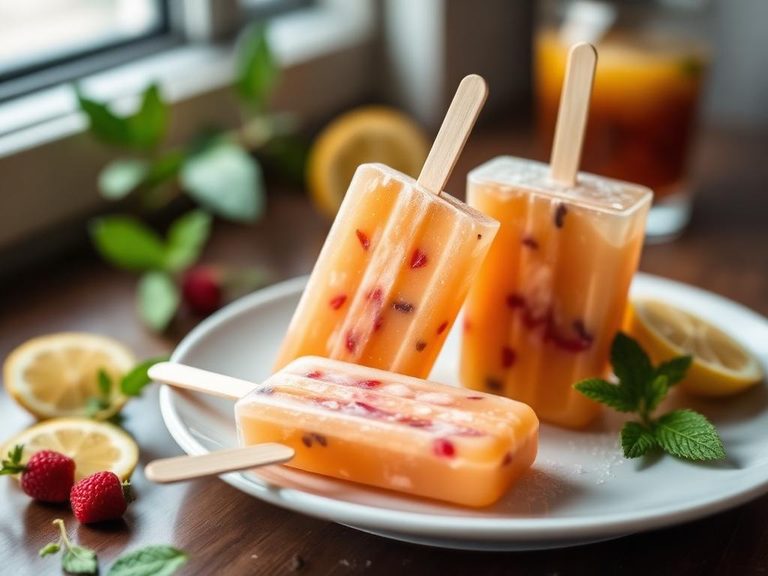
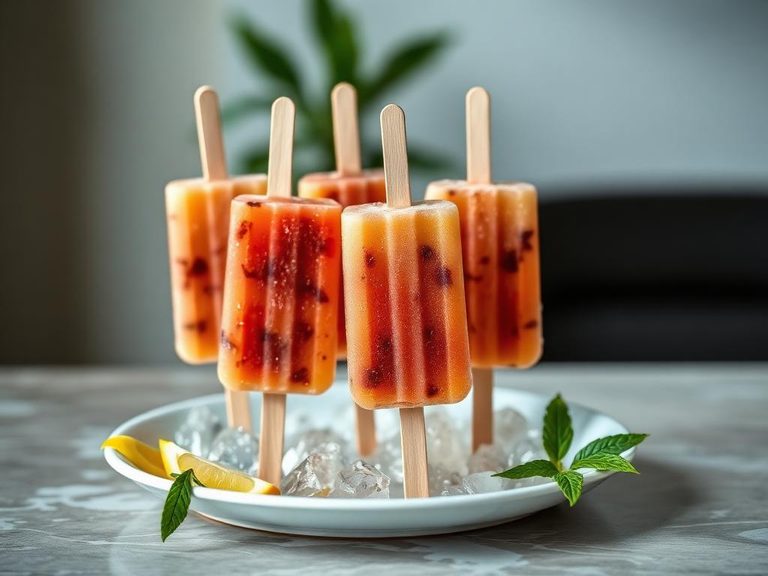
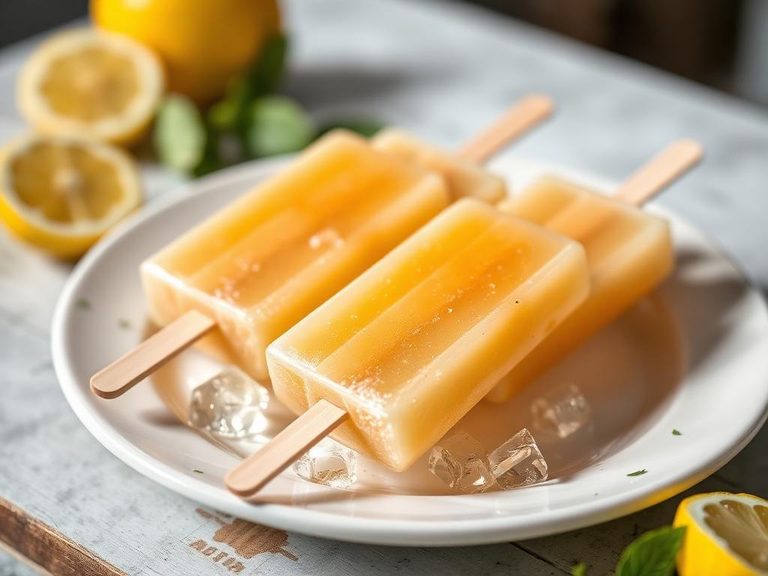
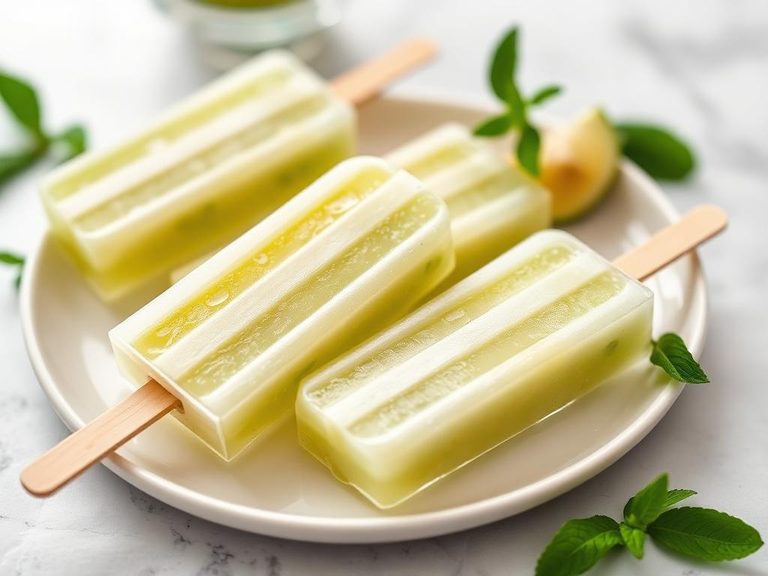
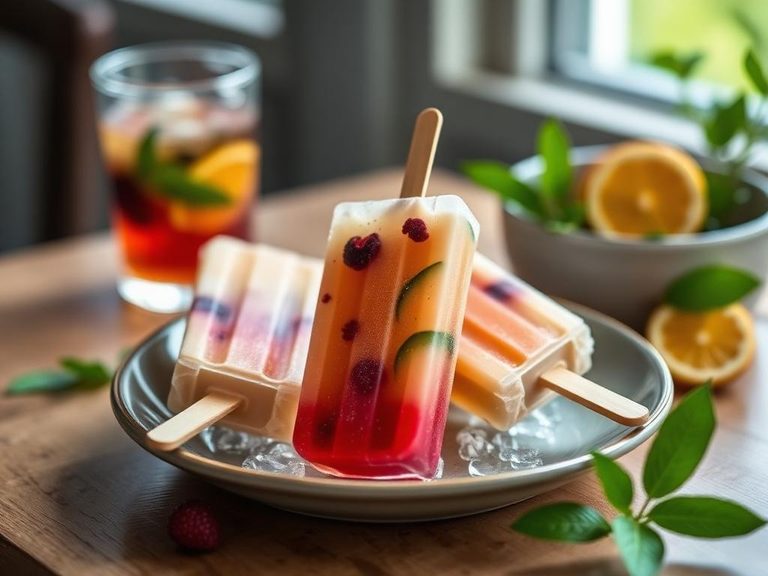
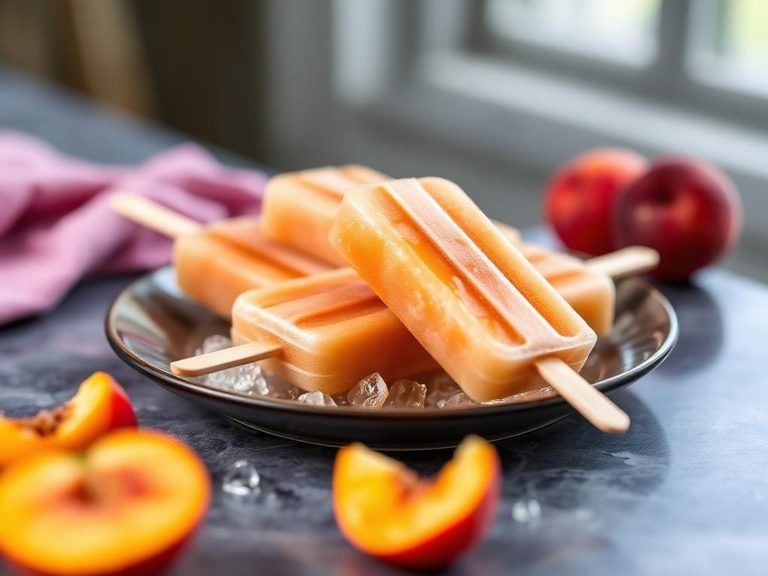
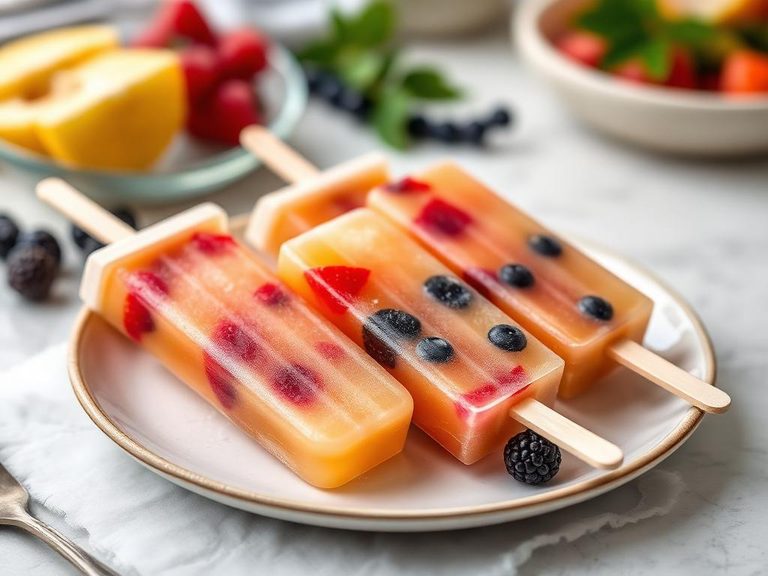
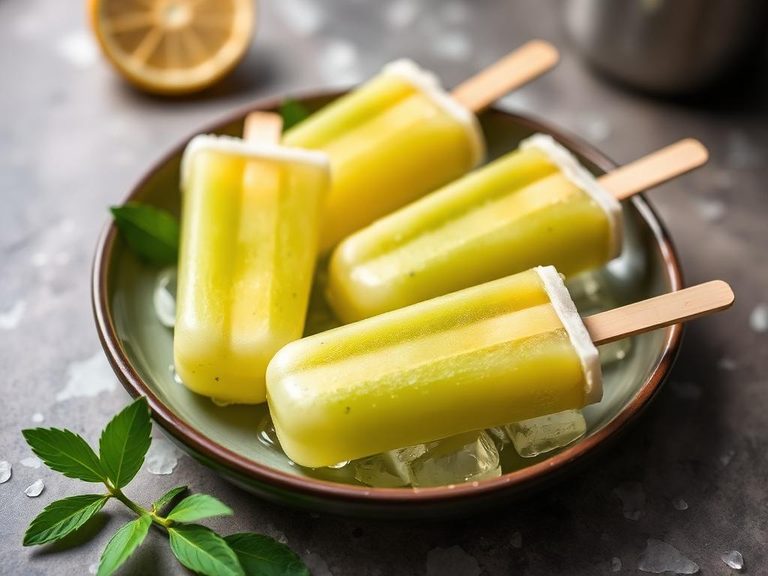
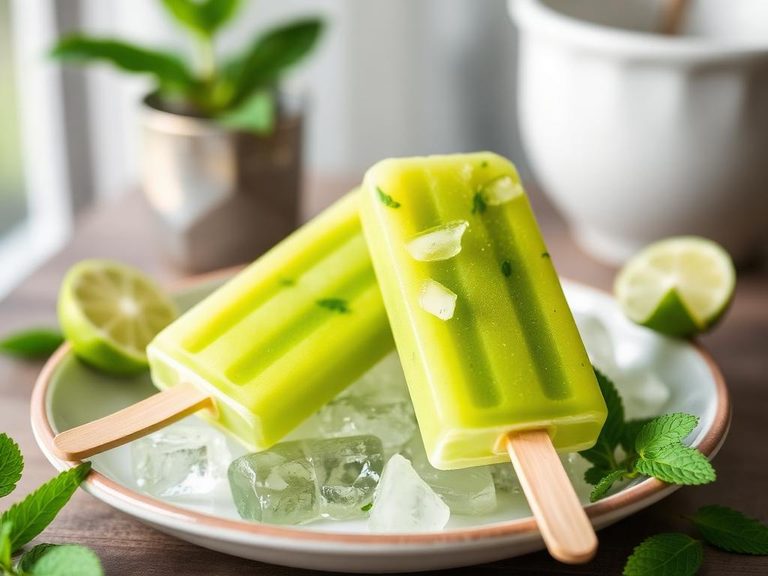
Tea popsicles are frozen treats made by steeping tea, often green, black, or herbal, and then freezing the infused liquid, sometimes with added sweeteners or fruit. They are a popular homemade or artisanal dessert enjoyed in many cultures, particularly in East and Southeast Asia where tea is a staple. The simplicity of the recipe makes it a refreshing way to enjoy tea in a solid, icy form.
🍽️ Nutrition at a glance
Tea popsicles are typically low in calories, fat, and protein, with most of their energy coming from carbohydrates if sweeteners are added. They provide antioxidants from the tea, such as catechins or flavonoids, and can be a hydrating snack due to their high water content, with a rough calorie range of 20-80 per serving depending on sweetness.
Nutrition breakdown
| Calories | 50 kcal |
| Protein | 0.5 g |
| Carbs | 12 g |
| Fat | 0 g |
| Fiber | 0 g |
| Sugar | 11 g |
| Sodium | 5 mg |
| Vitamin C | 10 mg |
| Potassium | 40 mg |
| Calcium | 15 mg |
| Iron | 0.2 mg |
| Magnesium | 5 mg |
| Phosphorus | 10 mg |
| Manganese | 0.1 mg |
| Zinc | 0.05 mg |
Per 1 popsicle (80 g) · estimated, varies by recipe
💡 What's interesting
Culturally, tea popsicles blend traditional tea-drinking customs with modern frozen desserts, offering a cool twist on a beloved beverage. Nutritionally, they can be a healthier alternative to sugary ice pops by leveraging the natural health benefits of tea, like metabolism support or relaxation, without the need for dairy or heavy additives.