

Sundal (Indian)
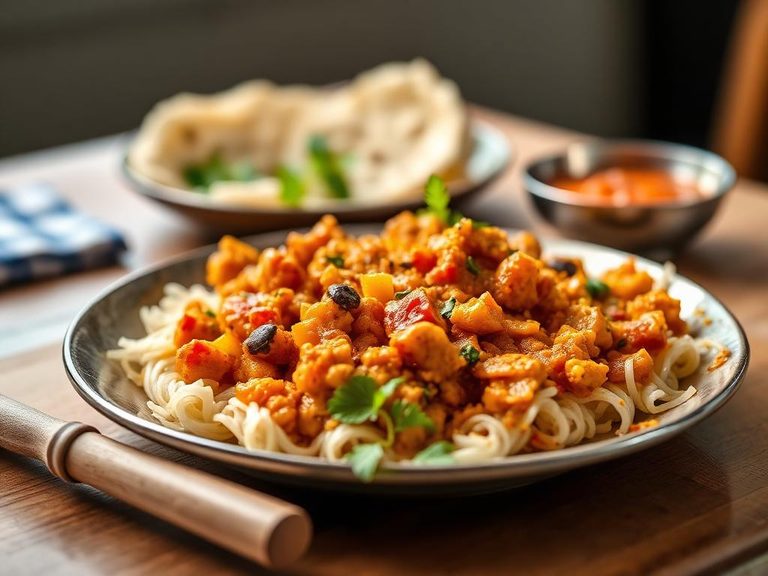
Sundal is a popular South Indian street food and temple offering, primarily made from boiled legumes like chickpeas, black-eyed peas, or white beans. The cooked legumes are tempered with mustard seeds, curry leaves, green chilies, and often finished with a sprinkle of freshly grated coconut. It's a simple, savory, and nutritious snack with roots in Tamil Nadu and other coastal states.
🍽️ Nutrition at a glance
Sundal is a high-protein, high-fiber, and low-fat dish, making it very satiating. A typical serving provides a good source of plant-based protein and complex carbohydrates, with a rough calorie range of 150-200 per cup, depending on the specific legume and amount of coconut used.
Nutrition breakdown
| Calories | 215 kcal |
| Protein | 12 g |
| Carbs | 33 g |
| Fat | 4 g |
| Fiber | 9 g |
| Sugar | 5 g |
| Sodium | 350 mg |
| Potassium | 450 mg |
| Iron | 3.5 mg |
| Magnesium | 80 mg |
| Folate | 180 mcg |
| Vitamin B6 | 0.4 mg |
| Zinc | 2.0 mg |
| Manganese | 1.5 mg |
| Phosphorus | 180 mg |
Per 1 cup (240 g) · estimated, varies by recipe
💡 What's interesting
Culturally, Sundal is a quintessential 'prasadam' (sacred offering) served at Hindu temples and during festivals like Navaratri, where different legumes are used each day. Nutritionally, it's a complete protein when paired with a grain, and the tempering technique (tadka) not only adds flavor but can enhance the bioavailability of nutrients.
🍽️ Related dishes


AI estimate may be inaccurate · Terms