

Sorghum Porridge (Ugali)
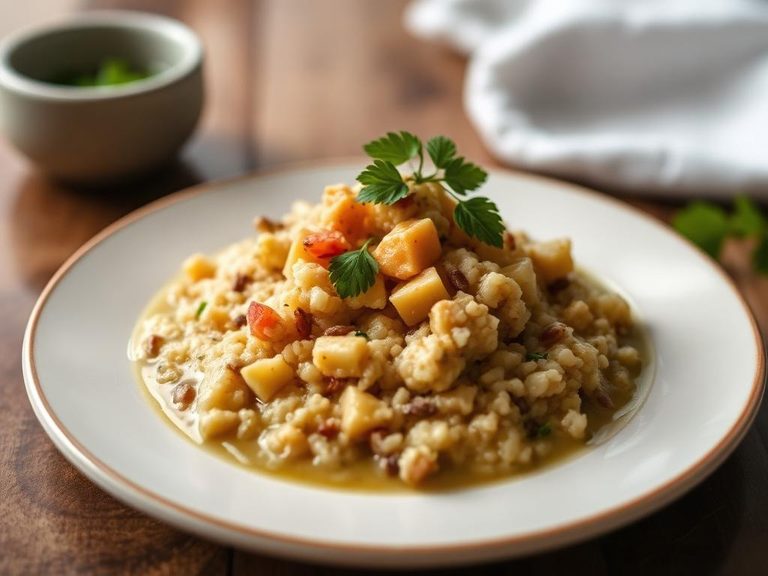
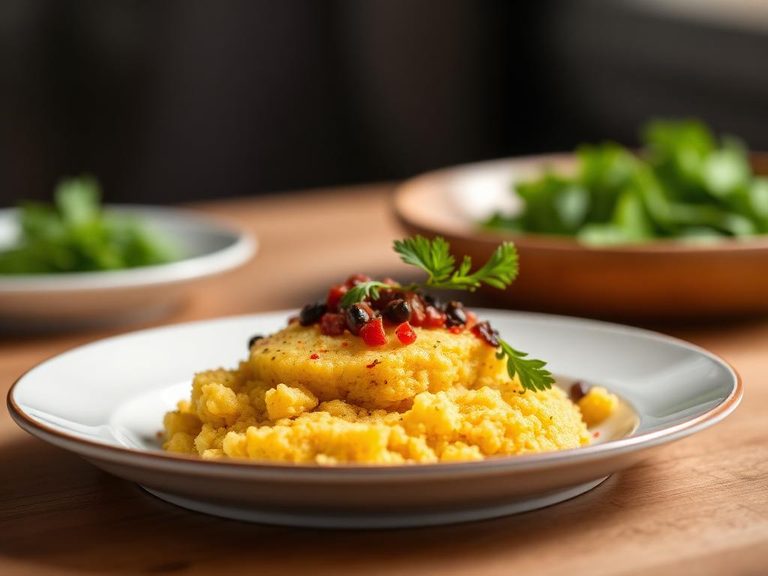
Sorghum Porridge, also known as Ugali in many parts of Africa, is a thick, dough-like staple made by cooking sorghum flour in water until it forms a firm, moldable consistency. It is a foundational food in countries across East and Southern Africa, such as Kenya, Tanzania, and Zimbabwe, often served alongside stews, vegetables, or meat.
🍳 View the full Sorghum Porridge (Ugali) recipe →
🍽️ Nutrition at a glance
This dish is primarily a high-carbohydrate food, providing a substantial source of energy with minimal fat and moderate protein content. A typical serving offers key nutrients like iron, B vitamins, and dietary fiber, with a calorie count that generally ranges from 200 to 350 calories per standard portion.
Nutrition breakdown
| Calories | 120 kcal |
| Protein | 3.5 g |
| Carbs | 26 g |
| Fat | 0.5 g |
| Fiber | 2.5 g |
| Sugar | 0.5 g |
| Sodium | 5 mg |
| Iron | 1.5 mg |
| Magnesium | 40 mg |
| Phosphorus | 80 mg |
| Potassium | 100 mg |
| Niacin (B3) | 2.0 mg |
| Vitamin B6 | 0.2 mg |
| Copper | 0.15 mg |
| Manganese | 0.3 mg |
Per 1 cup (240 g) · estimated, varies by recipe
💡 What's interesting
Sorghum is a drought-resistant grain, making this porridge a crucial, climate-resilient food source in arid regions. Nutritionally, it has a low glycemic index compared to other starchy staples, which can help provide sustained energy release.
🍽️ Related dishes


AI estimate may be inaccurate · Terms