

Smoothie or juice
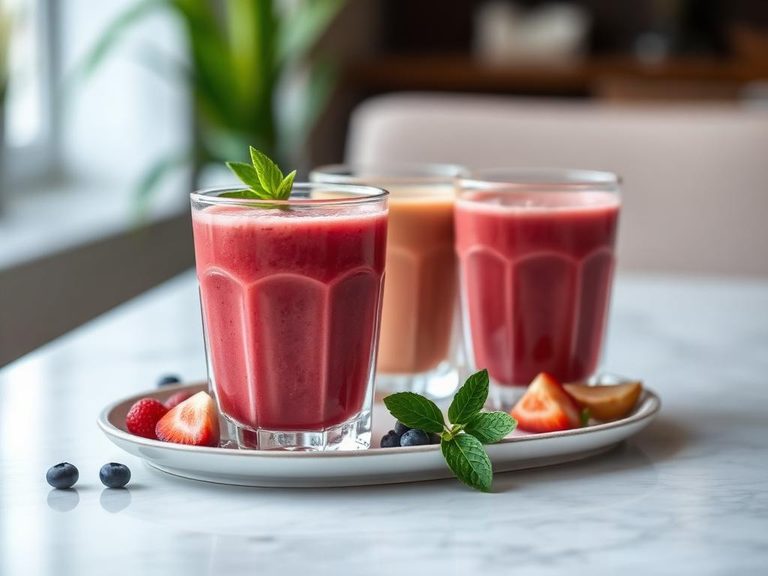
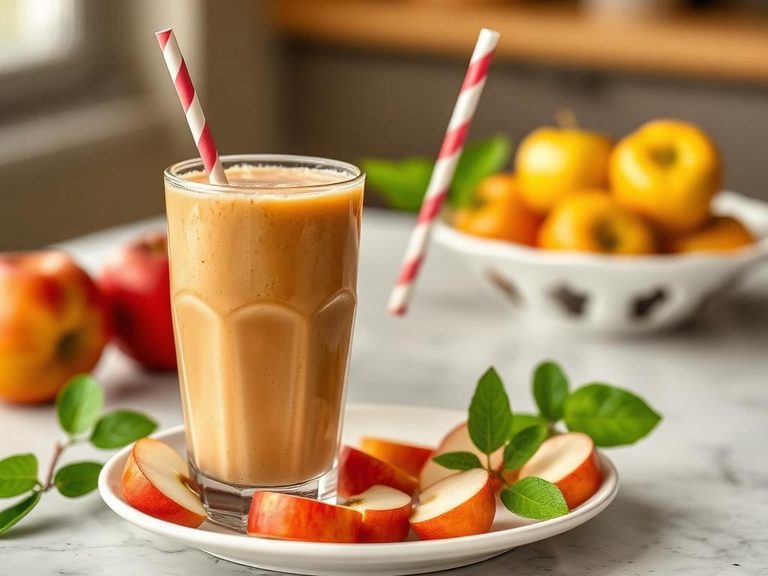
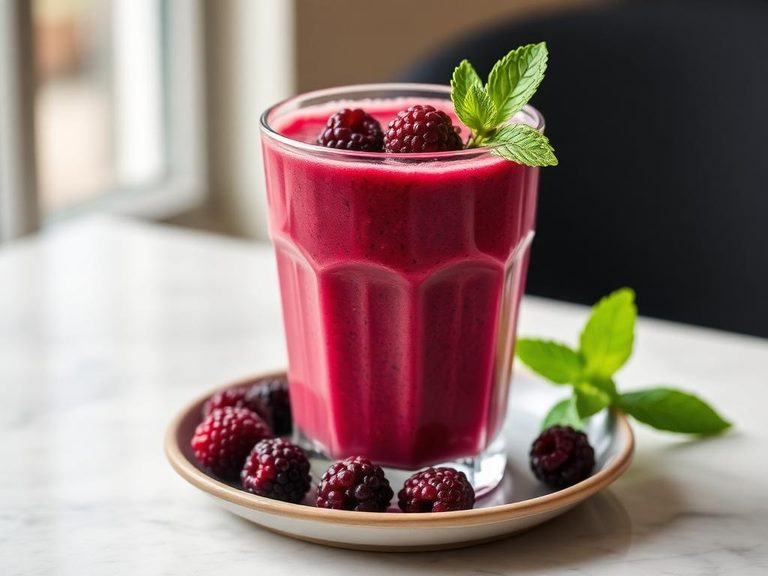
Smoothies and juices are blended or pressed beverages made from a variety of fruits, vegetables, and sometimes other ingredients like yogurt, seeds, or plant-based milks. While smoothies retain the whole fruit or vegetable fiber, juices extract the liquid, resulting in a more concentrated but less fibrous drink. Both are popular worldwide as quick, refreshing ways to consume nutrients.
🍽️ Nutrition at a glance
These drinks are generally high in carbohydrates from natural sugars, with smoothies offering more fiber and protein if dairy or plant-based proteins are added. They are typically low in fat unless ingredients like avocado or nut butters are included, and they provide key vitamins, minerals, and antioxidants, with a rough calorie range of 100-300 per serving depending on ingredients.
Nutrition breakdown
| Calories | 120 kcal |
| Protein | 1.5 g |
| Carbs | 28 g |
| Fat | 0.5 g |
| Fiber | 2 g |
| Sugar | 22 g |
| Sodium | 15 mg |
| Vitamin C | 45 mg |
| Potassium | 350 mg |
| Vitamin A | 900 mcg RAE |
| Folate | 60 mcg |
| Magnesium | 30 mg |
| Vitamin K | 15 mcg |
| Manganese | 0.5 mg |
| Vitamin B6 | 0.2 mg |
Per 1 cup (240 g) · estimated, varies by recipe
💡 What's interesting
Smoothies and juices have become global symbols of health trends, often customized to fit dietary preferences or seasonal produce, reflecting a modern emphasis on wellness and convenience. Nutritionally, they can be a double-edged sword: while they deliver concentrated nutrients, juices may spike blood sugar faster due to lack of fiber, whereas smoothies offer more balanced energy.
🍽️ Related dishes

AI estimate may be inaccurate · Terms