

Scones and soda bread
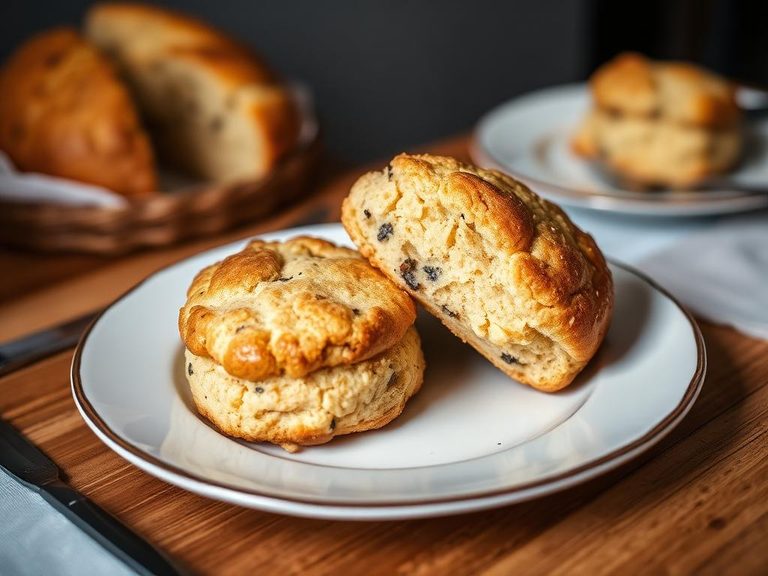
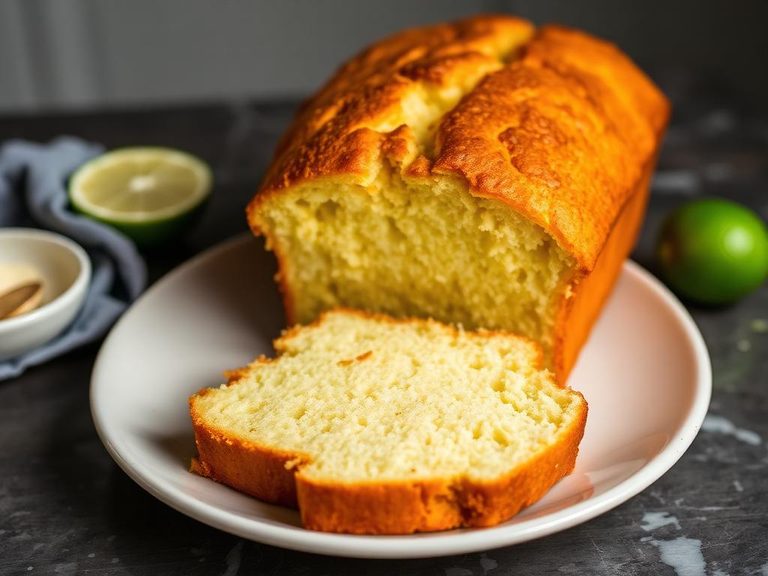
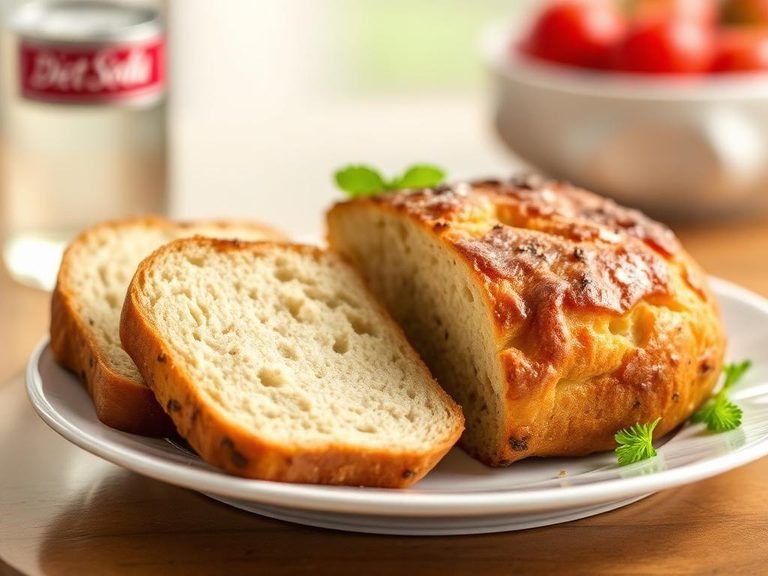
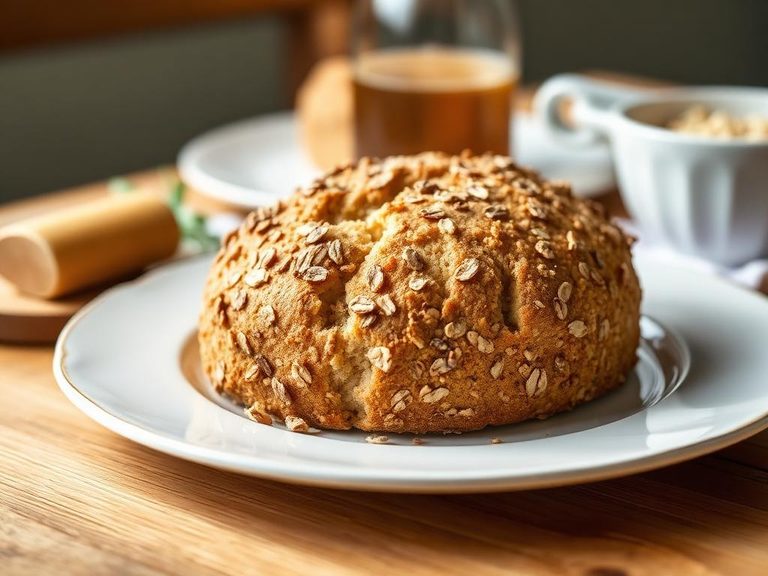
Scones and soda bread are traditional quick breads from the British Isles, particularly Ireland and the UK. Scones are often slightly sweet, flaky, and baked with butter or cream, while soda bread is a savory, dense loaf leavened with baking soda and buttermilk. Both are staples of home baking and tea-time culture.
🍽️ Nutrition at a glance
These breads are high in carbohydrates from flour and often contain moderate fat from butter or buttermilk. They provide key nutrients like iron, B vitamins, and calcium, with a typical serving ranging from 200 to 300 calories.
Nutrition breakdown
| Calories | 220 kcal |
| Protein | 4.5 g |
| Carbs | 32 g |
| Fat | 8 g |
| Fiber | 1.5 g |
| Sugar | 3 g |
| Sodium | 380 mg |
| Iron | 2.1 mg |
| Thiamin (B1) | 0.2 mg |
| Niacin (B3) | 2.5 mg |
| Folate | 45 µg |
| Calcium | 95 mg |
| Phosphorus | 85 mg |
| Magnesium | 15 mg |
| Selenium | 12 µg |
Per 1 medium scone or 1 thick slice of soda bread (approx. 70 g) · estimated, varies by recipe
💡 What's interesting
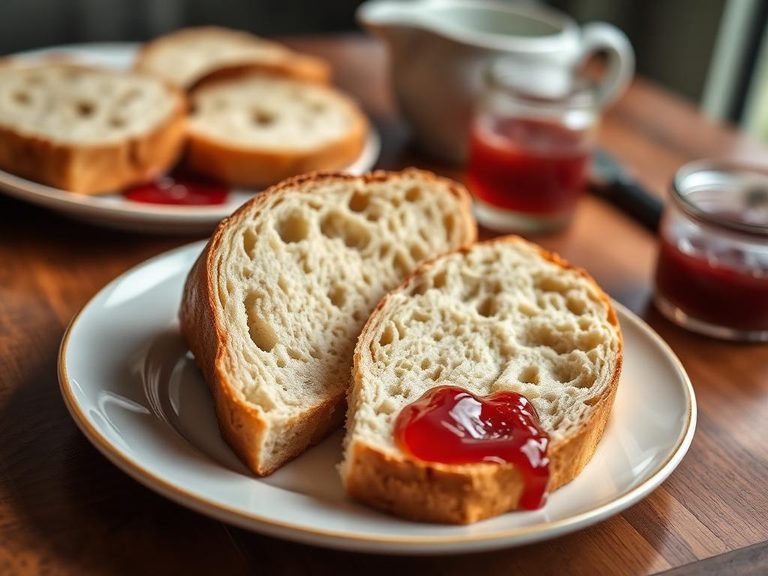
Soda bread's use of baking soda and buttermilk is a clever chemical reaction that allows it to rise without yeast, making it a 'quick bread' historically adapted to ingredients available in rural Ireland. Scones are a cornerstone of the British 'afternoon tea' tradition, often served with clotted cream and jam.
🍽️ Related dishes
AI estimate may be inaccurate · Terms