

Rillettes de foie
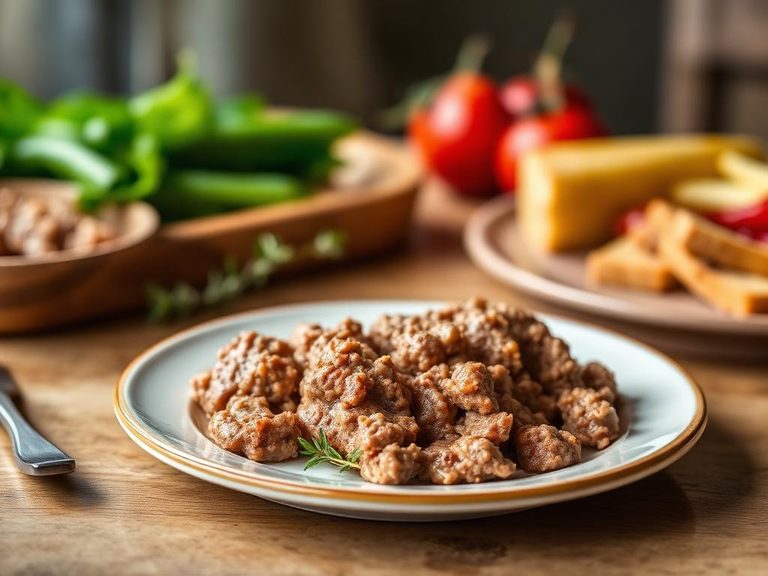
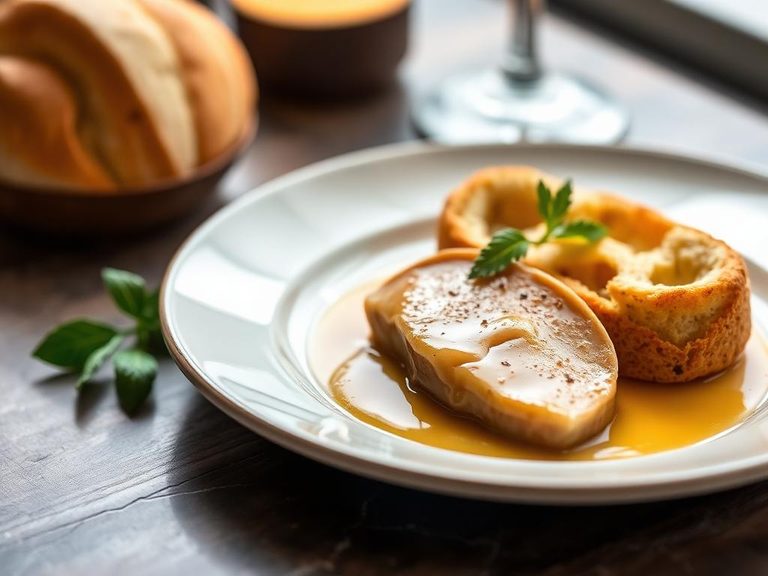
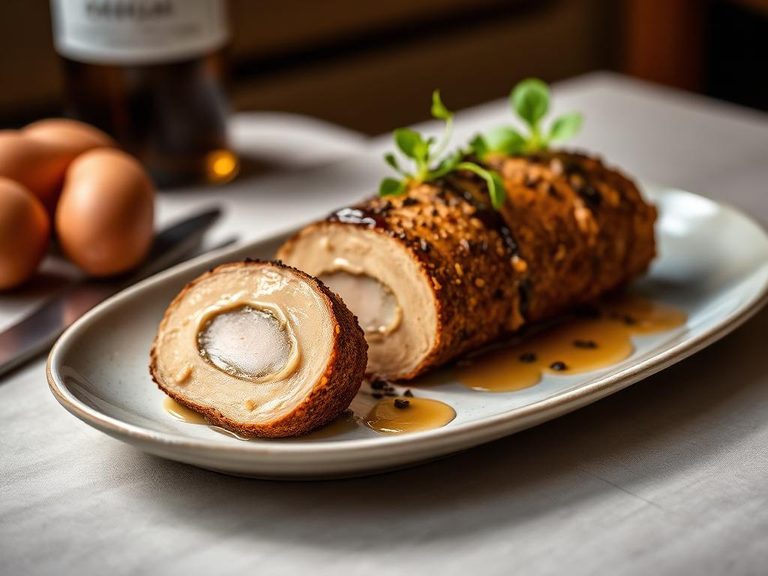
Rillettes de foie is a rich, rustic French spread made from finely shredded or mashed liver, typically from pork, duck, or goose, cooked slowly in its own fat until it becomes a smooth, pâté-like consistency. Originating from the Loire Valley and other rural regions of France, it is traditionally seasoned with salt, pepper, and sometimes herbs or spices, then preserved in a jar sealed with a layer of fat.
🍽️ Nutrition at a glance
This dish is high in fat and protein, with minimal carbohydrates, providing essential nutrients like iron, vitamin A, and B vitamins, particularly B12. A typical serving of about 2 tablespoons can contain roughly 150-200 calories, depending on the type of liver and fat used.
Nutrition breakdown
| Calories | 110 kcal |
| Protein | 2 g |
| Carbs | 0.5 g |
| Fat | 11 g |
| Fiber | 0 g |
| Sugar | 0 g |
| Sodium | 250 mg |
| Vitamin A | 1200 IU |
| Vitamin B12 | 3.5 mcg |
| Iron | 2.5 mg |
| Copper | 0.3 mg |
| Selenium | 15 mcg |
| Riboflavin (B2) | 0.3 mg |
| Phosphorus | 55 mg |
| Zinc | 1.2 mg |
Per 2 tablespoons (30 g) · estimated, varies by recipe
💡 What's interesting
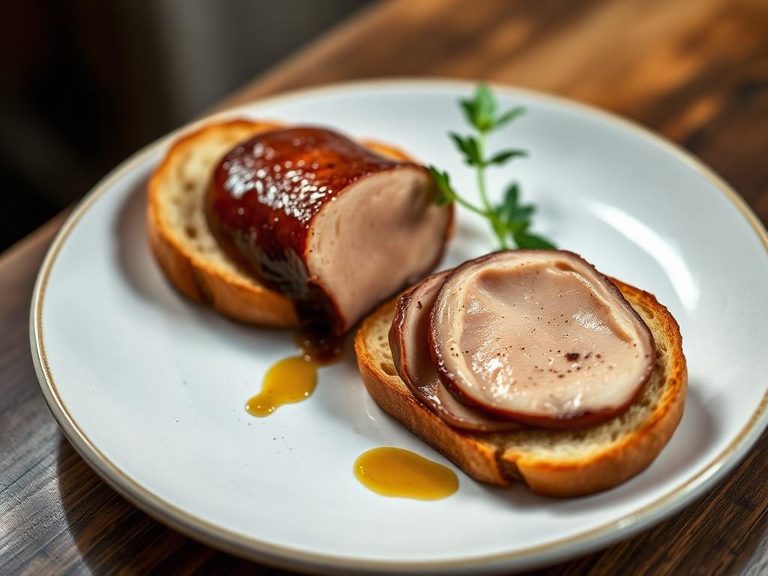
Culturally, rillettes de foie reflects France's tradition of charcuterie and preservation techniques, often enjoyed as an appetizer with crusty bread or toast. Nutritionally, it stands out for its dense concentration of micronutrients from liver, making it a nutrient-dense food despite its high fat content.
🍽️ Related dishes
AI estimate may be inaccurate · Terms