Pork Cutlet
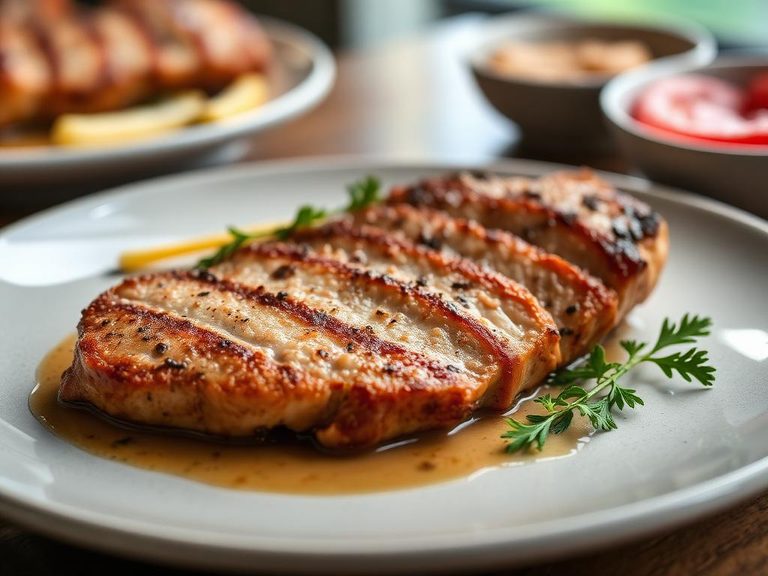
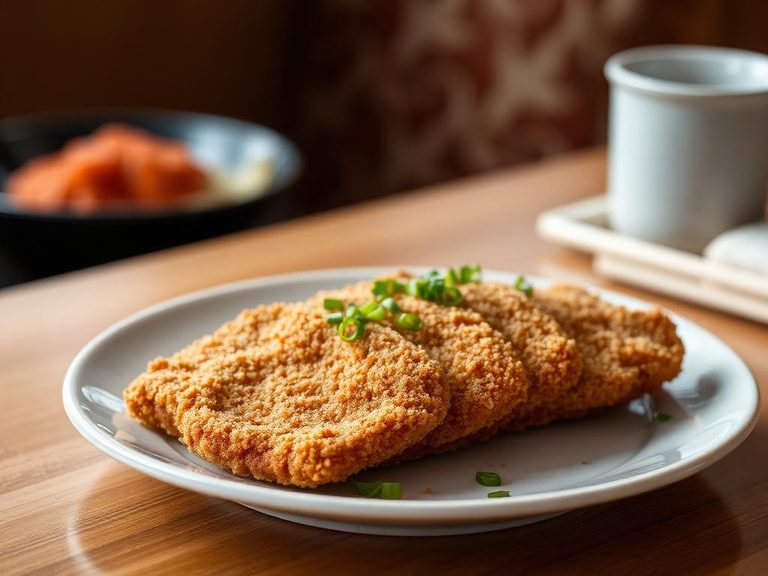
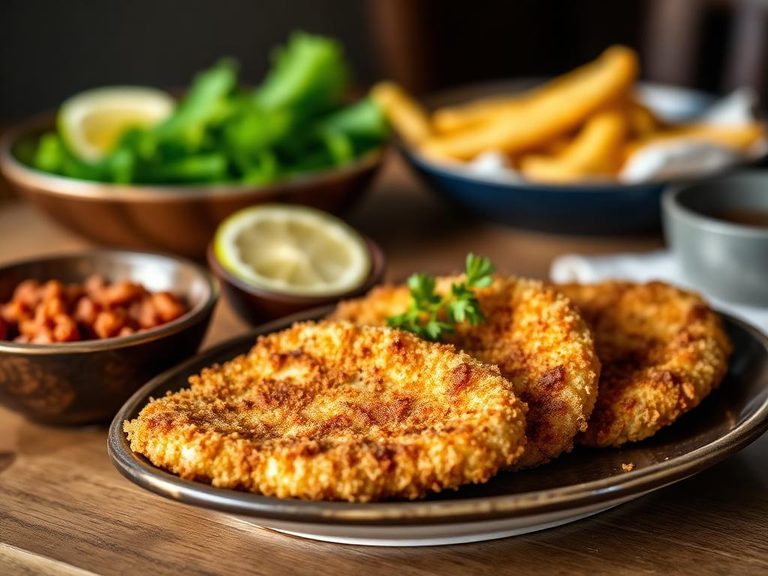
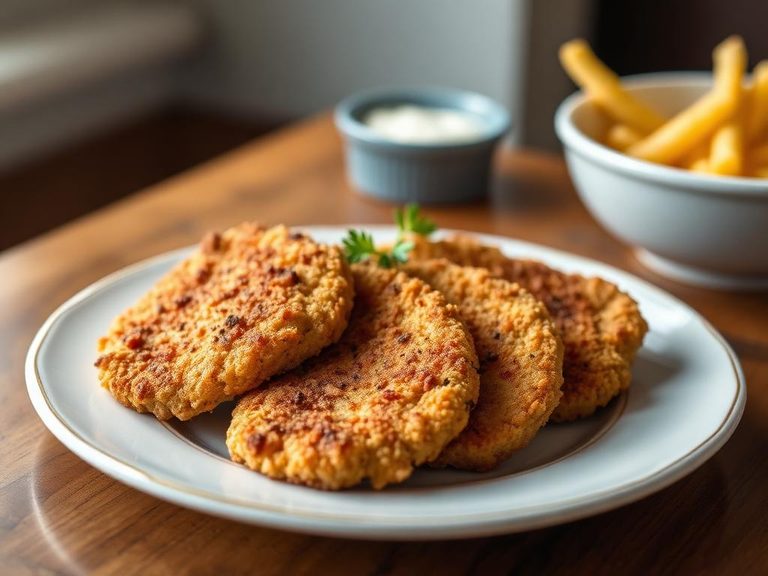
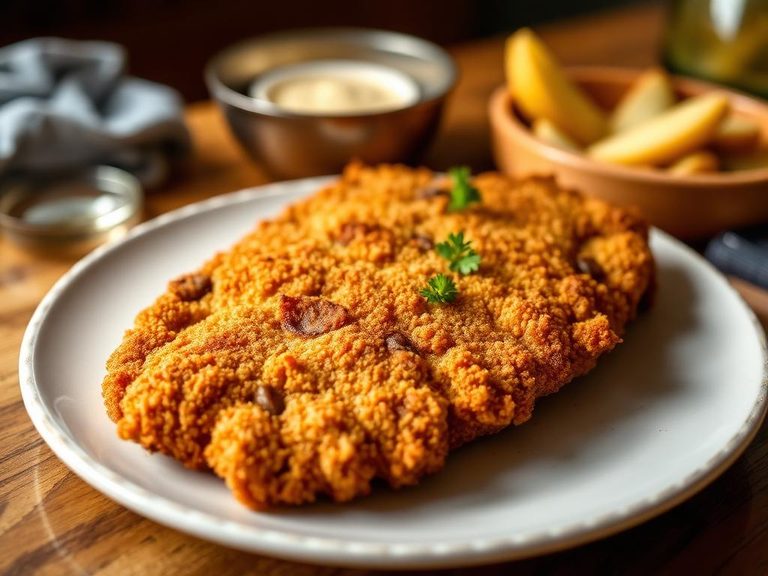
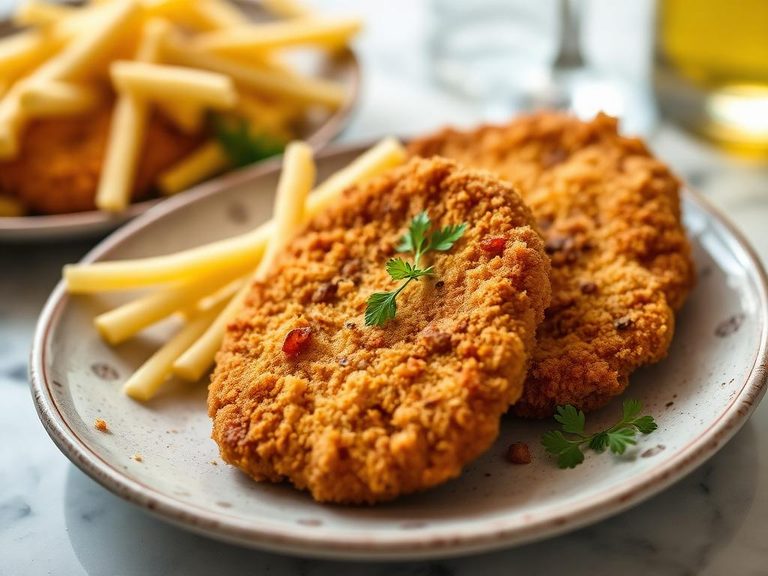
Pork cutlet, often called Tonkatsu in Japan or Schnitzel in Germany, is a dish of breaded and deep-fried pork loin or tenderloin. The meat is typically pounded thin, coated in flour, egg, and breadcrumbs (like panko), then fried until golden and crispy. It's a popular comfort food served in many cuisines worldwide, often with sauces like tonkatsu sauce or a lemon wedge.
🍽️ Nutrition at a glance
This dish is high in protein and fat due to the pork and frying process, with moderate carbohydrates from the breading. A typical serving provides significant B vitamins (especially B12 and niacin), zinc, and selenium, but is also calorie-dense, ranging from 400-600 kcal per serving.
Nutrition breakdown
| Calories | 500 kcal |
| Protein | 35 g |
| Carbs | 25 g |
| Fat | 30 g |
| Fiber | 1 g |
| Sugar | 2 g |
| Sodium | 600 mg |
| Vitamin B12 | 1.5 mcg |
| Niacin (B3) | 8 mg |
| Zinc | 4 mg |
| Selenium | 25 mcg |
| Phosphorus | 250 mg |
| Iron | 2 mg |
| Potassium | 350 mg |
| Thiamin (B1) | 0.5 mg |
Per 1 pork cutlet (approx. 150 g meat + breading) · estimated, varies by recipe
💡 What's interesting
Culturally, the Japanese Tonkatsu evolved from Western cutlets during the Meiji era and is now a staple in dishes like Katsu Curry or Katsu Don. Nutritionally, while it offers high-quality protein, the deep-frying method increases its fat content, making it an occasional indulgence rather than a daily meal.