Breaded Pork Cutlets
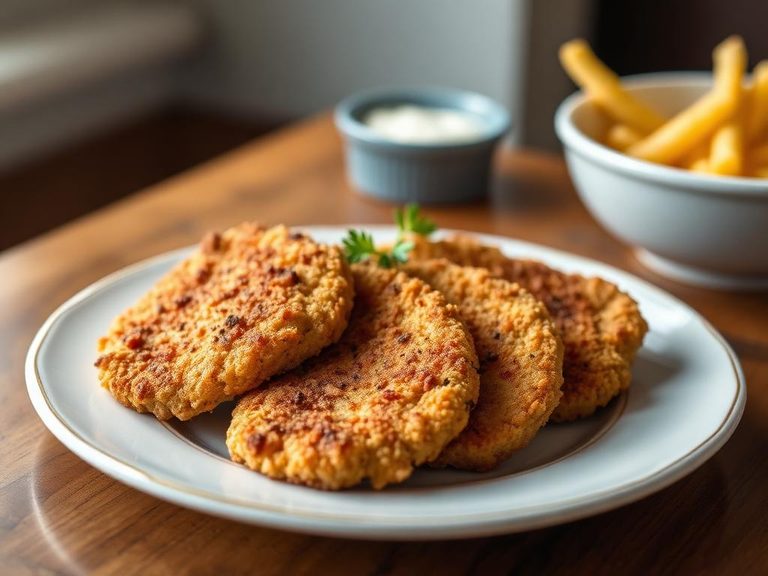
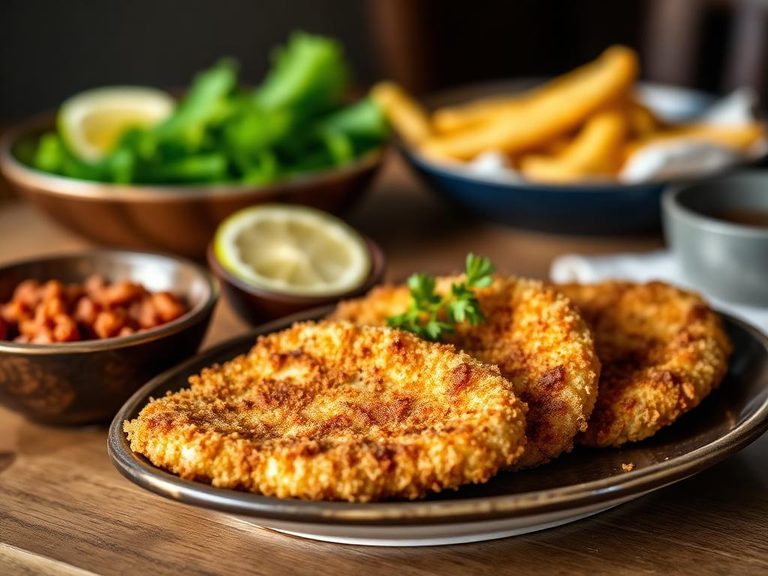
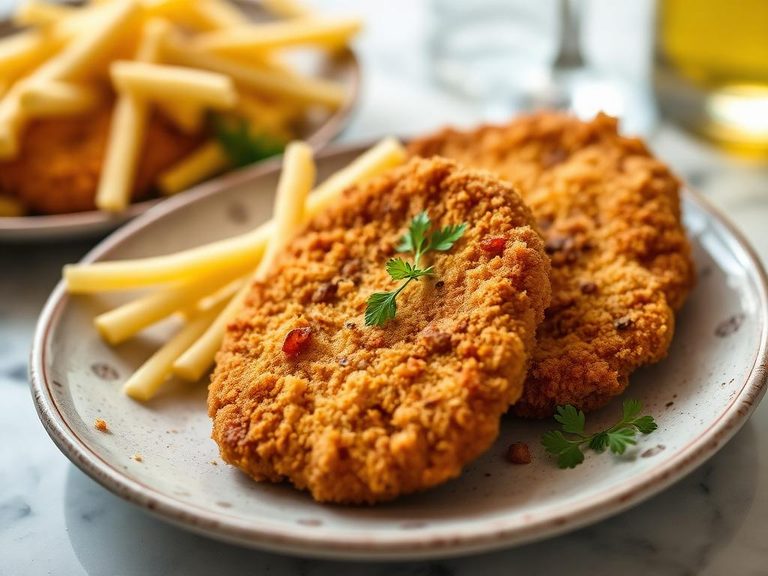
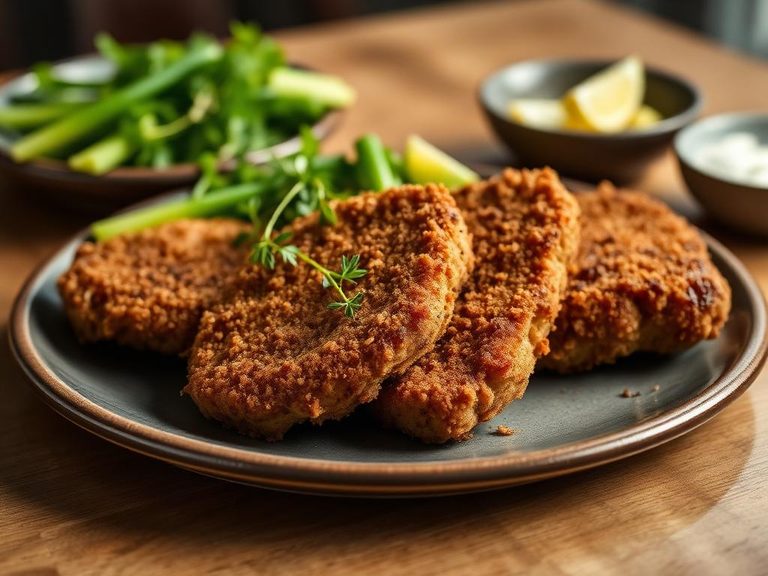
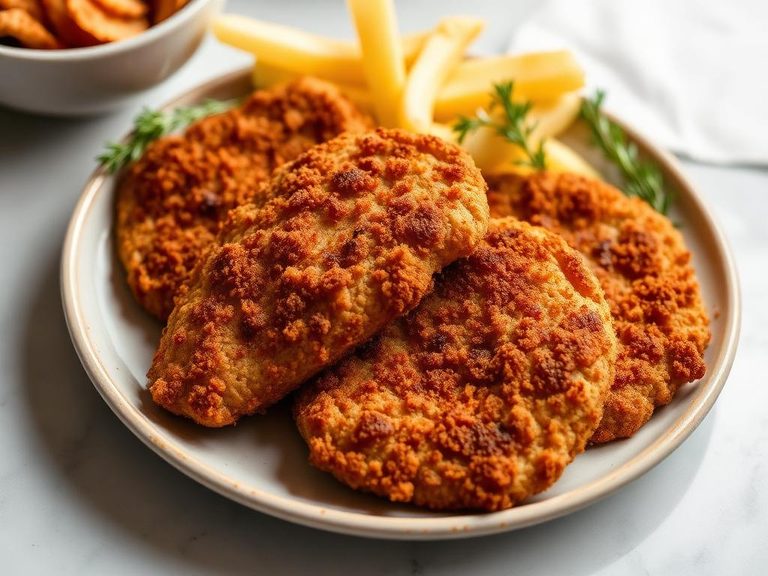
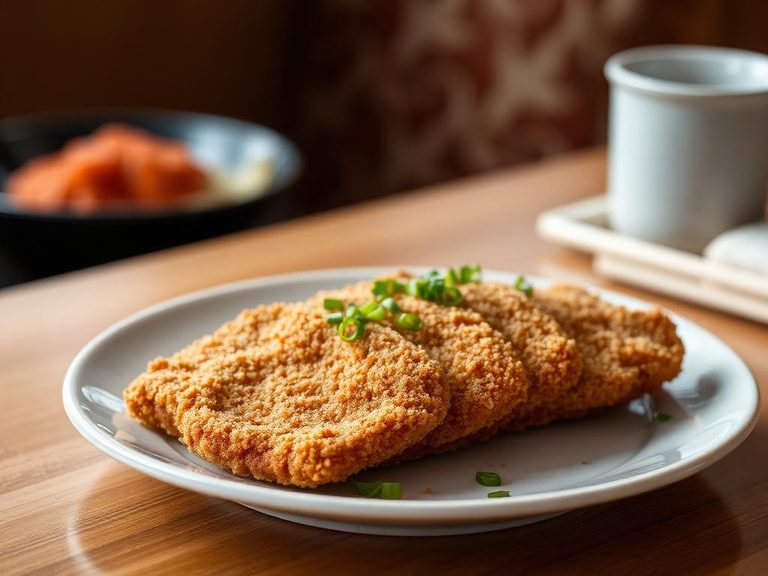
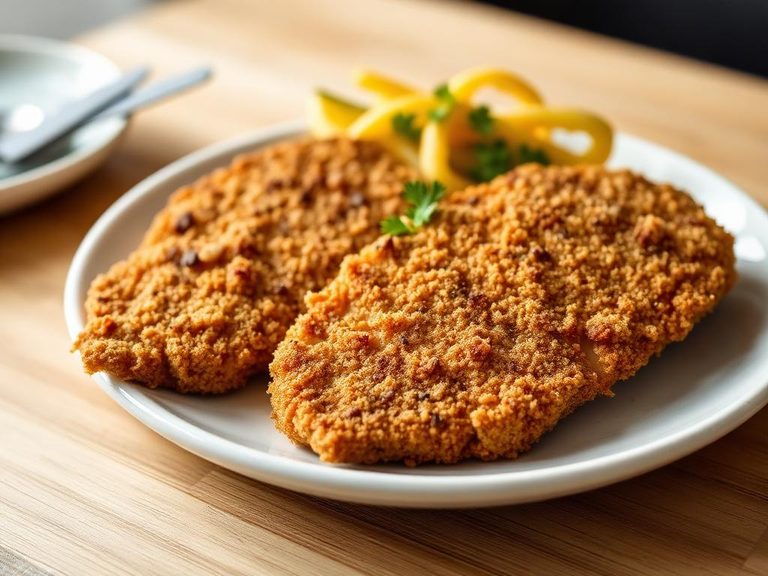
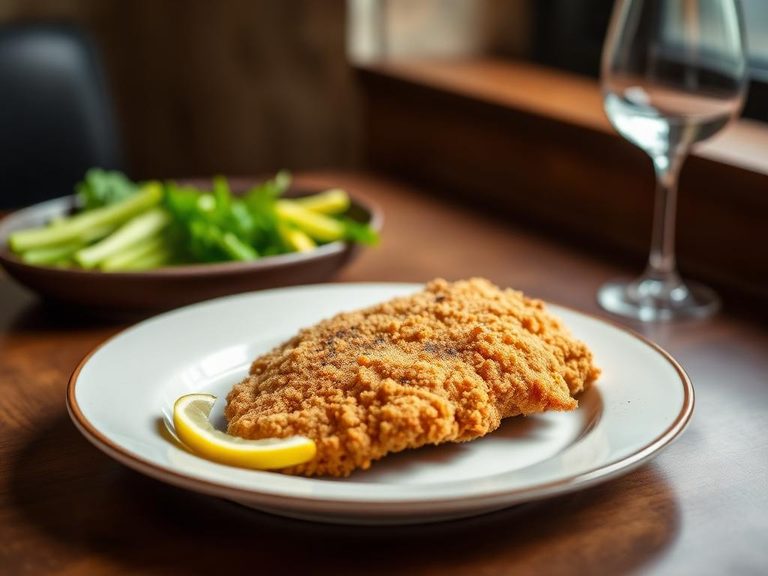
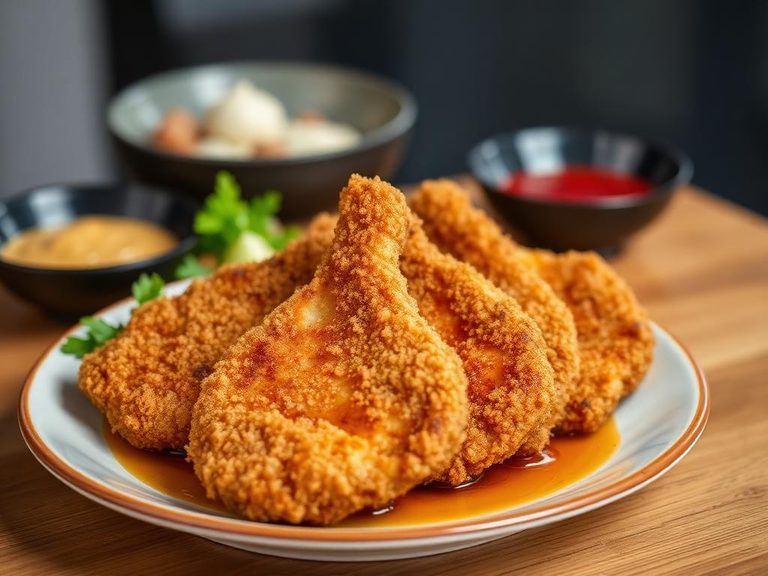
Breaded Pork Cutlets, known as Tonkatsu in Japan, Schnitzel in Germany/Austria, or Cotoletta in Italy, are thin slices of pork loin or tenderloin coated in breadcrumbs and deep-fried until golden and crispy. The dish typically features pork, flour, egg wash, and panko or regular breadcrumbs, often served with shredded cabbage, lemon, and a savory sauce. While variations exist globally, the core technique of breading and frying meat is a beloved culinary tradition across many cultures.
🍽️ Nutrition at a glance
This dish is high in protein from the pork and fat from the frying process, with a moderate amount of carbohydrates from the breading. It provides essential nutrients like B vitamins, zinc, and iron, with a typical serving containing roughly 400-500 calories depending on preparation and portion size.
Nutrition breakdown
| Calories | 450 kcal |
| Protein | 32 g |
| Carbs | 25 g |
| Fat | 24 g |
| Fiber | 1.5 g |
| Sugar | 2 g |
| Sodium | 580 mg |
| Vitamin B12 | 1.2 mcg |
| Niacin (B3) | 8.5 mg |
| Zinc | 3.8 mg |
| Iron | 2.1 mg |
| Selenium | 42 mcg |
| Phosphorus | 280 mg |
| Thiamin (B1) | 0.7 mg |
| Potassium | 350 mg |
Per 1 cutlet (150 g) · estimated, varies by recipe
💡 What's interesting
Culturally, it's fascinating how the same basic concept evolved independently across Europe and Asia, each with unique accompaniments—like the Japanese Tonkatsu with its tangy sauce or the Austrian Wiener Schnitzel traditionally made with veal. Nutritionally, the panko breadcrumbs used in Japanese versions create a lighter, crispier texture that absorbs less oil than traditional breadcrumbs.