

Pizza and flatbread topping
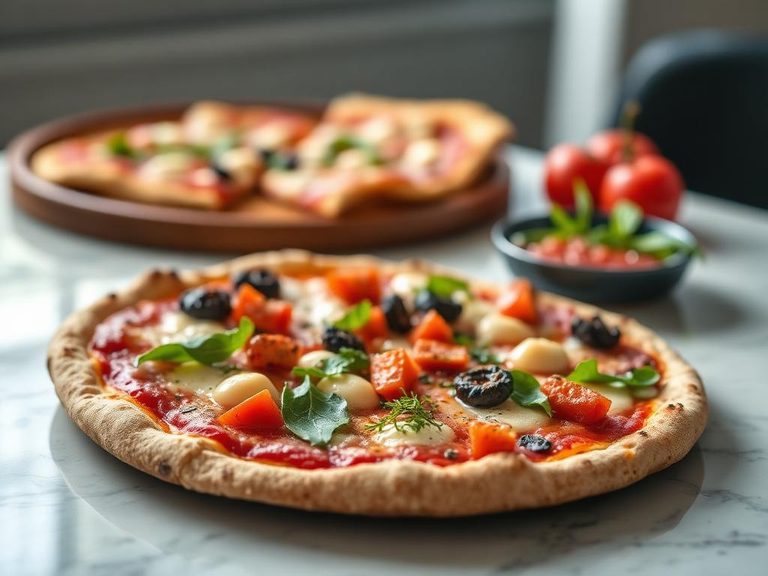
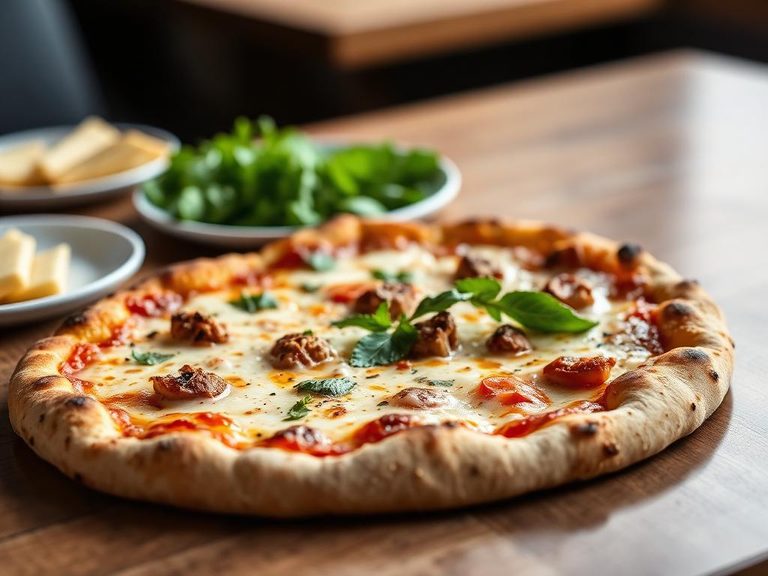
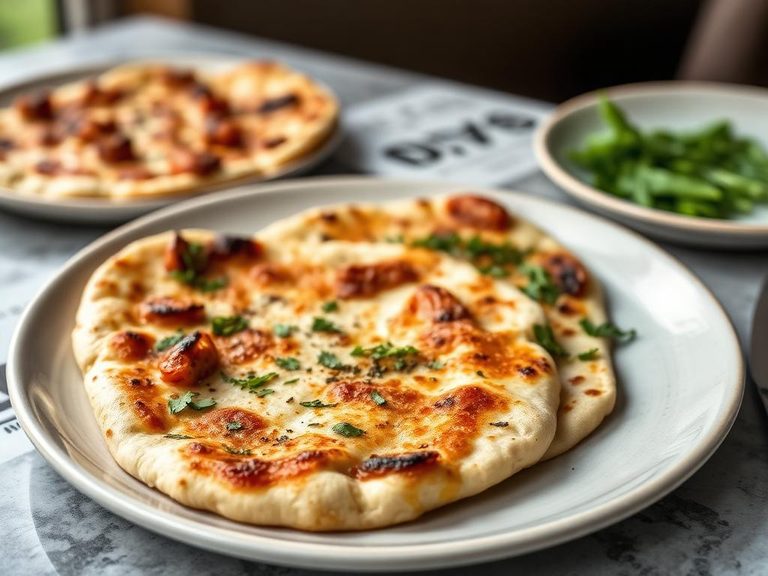
Pizza and flatbread toppings refer to the diverse array of ingredients layered atop a baked dough base, ranging from classic tomato sauce and mozzarella to gourmet combinations like prosciutto and arugula. This culinary concept originated in Naples, Italy, with the modern pizza, but similar topped flatbreads exist globally, from Turkish pide to Indian naan pizza. The versatility allows for endless customization, making it a universal comfort food adaptable to regional tastes and dietary preferences.
🍽️ Nutrition at a glance
Typically high in carbohydrates from the dough and fat from cheese and oils, pizza toppings can also provide protein from meats or legumes, along with vitamins and minerals from vegetables. A standard serving of two slices (about 200-250 grams) generally ranges from 500 to 800 calories, depending on the density of toppings and crust type.
Nutrition breakdown
| Calories | 600 kcal |
| Protein | 25 g |
| Carbs | 70 g |
| Fat | 25 g |
| Fiber | 4 g |
| Sugar | 8 g |
| Sodium | 1200 mg |
| Calcium | 300 mg |
| Iron | 3 mg |
| Vitamin A | 150 mcg |
| Vitamin C | 10 mg |
| Potassium | 350 mg |
| Phosphorus | 250 mg |
| Selenium | 20 mcg |
| Folate | 80 mcg |
Per 2 slices (240 g) · estimated, varies by recipe
💡 What's interesting
Culturally, pizza toppings reflect local agriculture and history—like the Margherita's red, white, and green representing the Italian flag—while nutritionally, they can be a balanced meal if loaded with vegetables, offering fiber and antioxidants alongside indulgence.
🍽️ Related dishes
AI estimate may be inaccurate · Terms