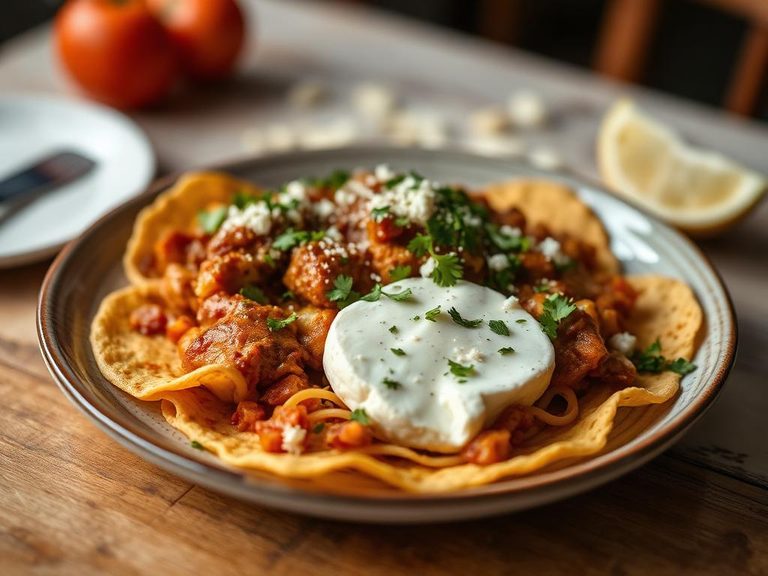
Paired with cheese and fruit for a light meal
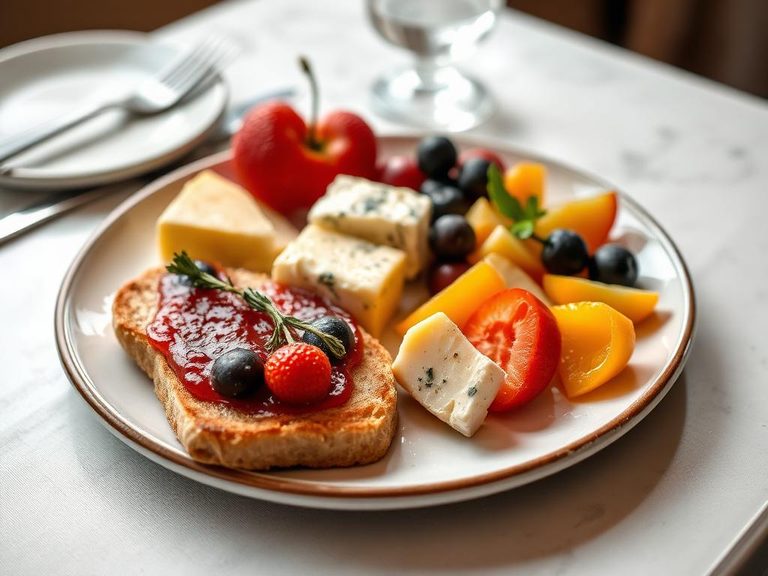
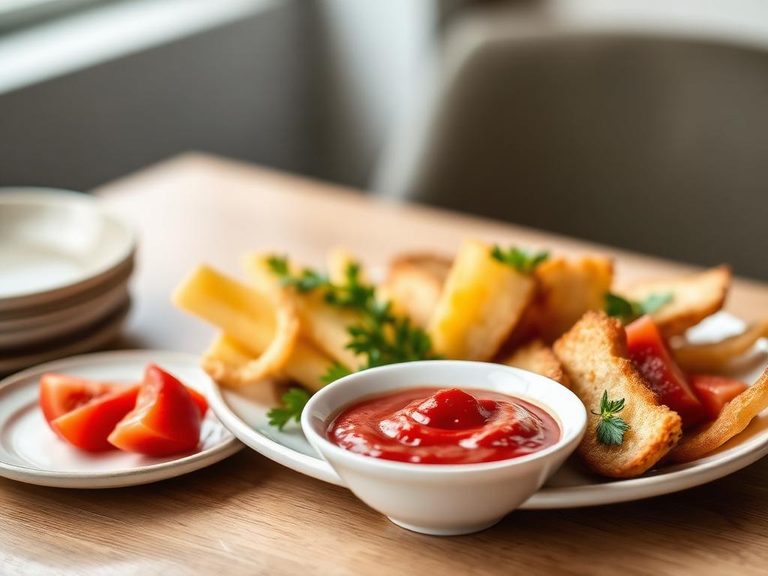
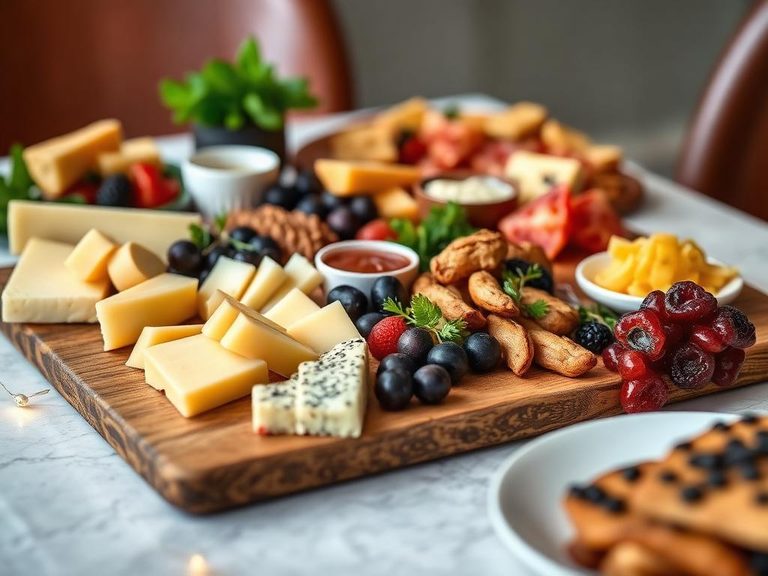
This is a simple, elegant dish featuring a curated selection of cheeses paired with fresh fruits, often served as a light meal, appetizer, or part of a charcuterie board. Common ingredients include semi-soft cheeses like Brie or Camembert, harder cheeses like Manchego or Cheddar, and fruits such as grapes, figs, apples, or berries. While the concept is universal, it's particularly celebrated in European culinary traditions, especially in France and Italy.
🍽️ Nutrition at a glance
This dish is typically high in fat and protein from the cheese, with carbohydrates coming primarily from the fruit. It provides a good source of calcium, phosphorus, and vitamins like Vitamin C and K, with a rough calorie ballpark of 300-450 kcal per serving depending on cheese variety and portion size.
Nutrition breakdown
| Calories | 380 kcal |
| Protein | 18 g |
| Carbs | 25 g |
| Fat | 24 g |
| Fiber | 3 g |
| Sugar | 18 g |
| Sodium | 450 mg |
| Calcium | 300 mg |
| Phosphorus | 220 mg |
| Vitamin K | 15 mcg |
| Vitamin C | 10 mg |
| Potassium | 280 mg |
| Vitamin A | 150 mcg |
| Vitamin B12 | 0.8 mcg |
| Zinc | 2.5 mg |
Per 1 typical serving (150 g) · estimated, varies by recipe
💡 What's interesting
Culturally, the pairing of cheese and fruit is a cornerstone of the European 'apéritif' or 'aperitivo' tradition, designed to stimulate the appetite before a meal. Nutritionally, the fat in the cheese can help the body absorb fat-soluble vitamins from the fruit, while the fruit's fiber and acidity cut through the richness of the cheese.