Pad Thai Goong
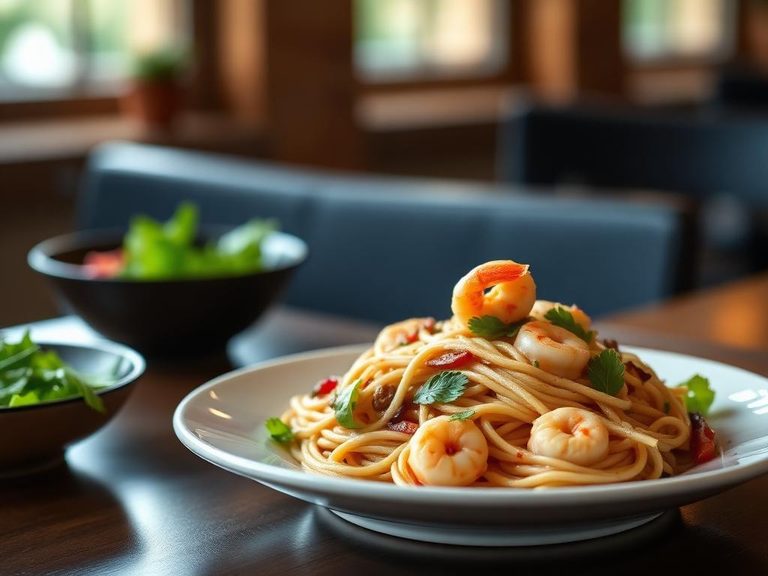
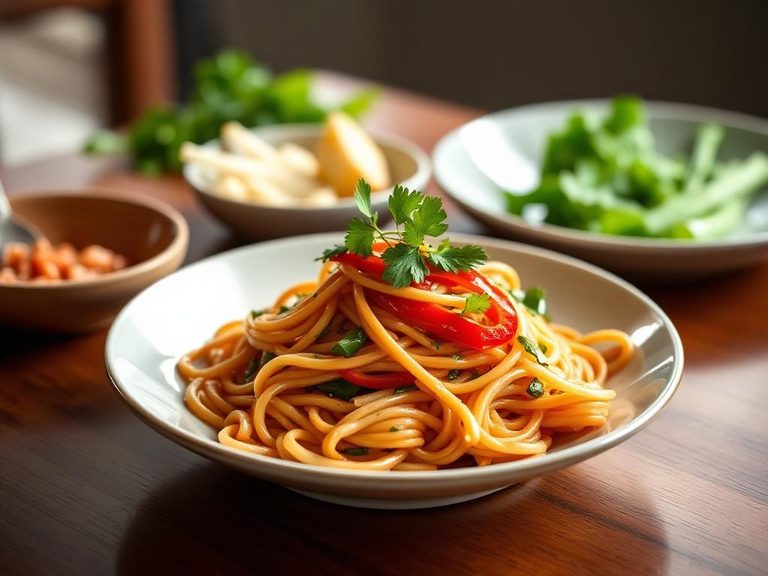
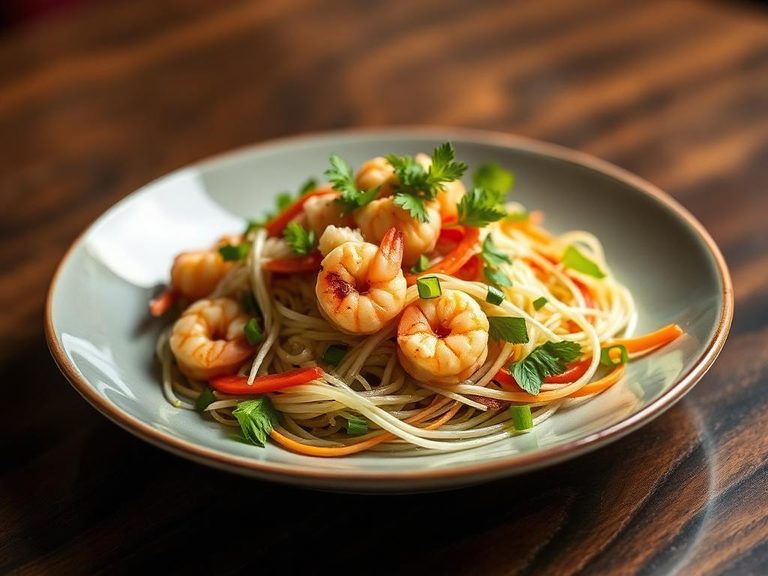
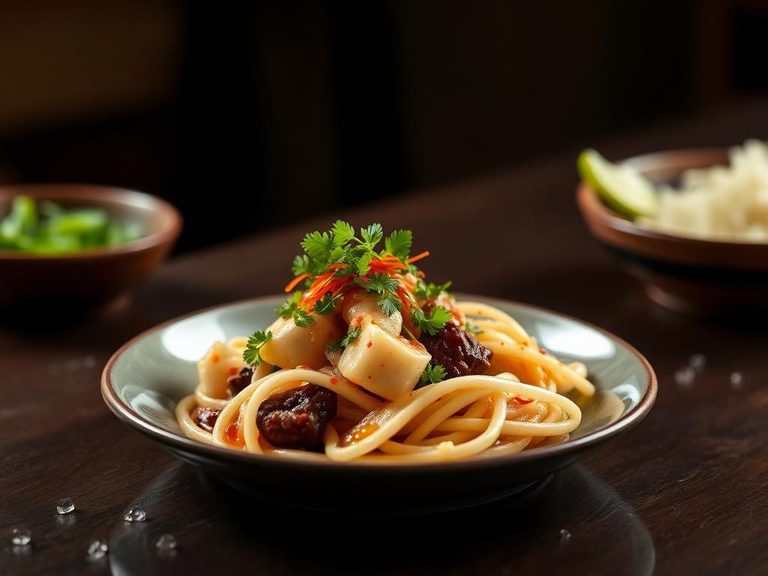
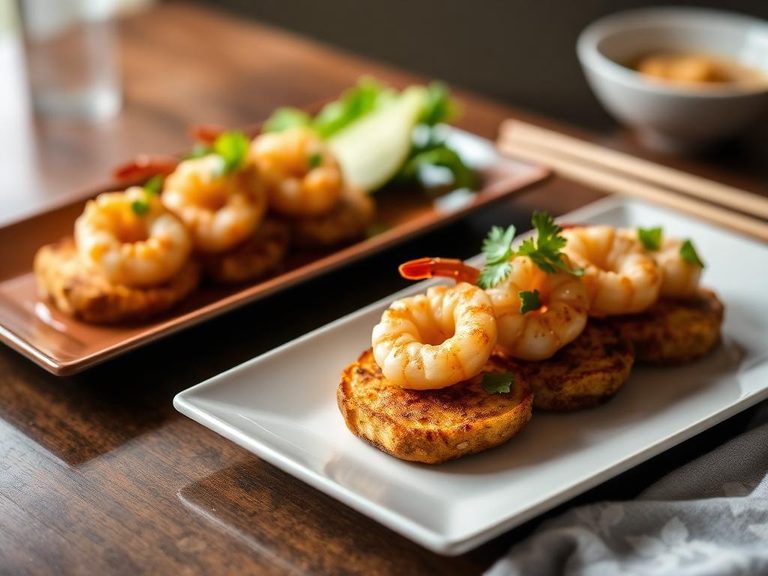
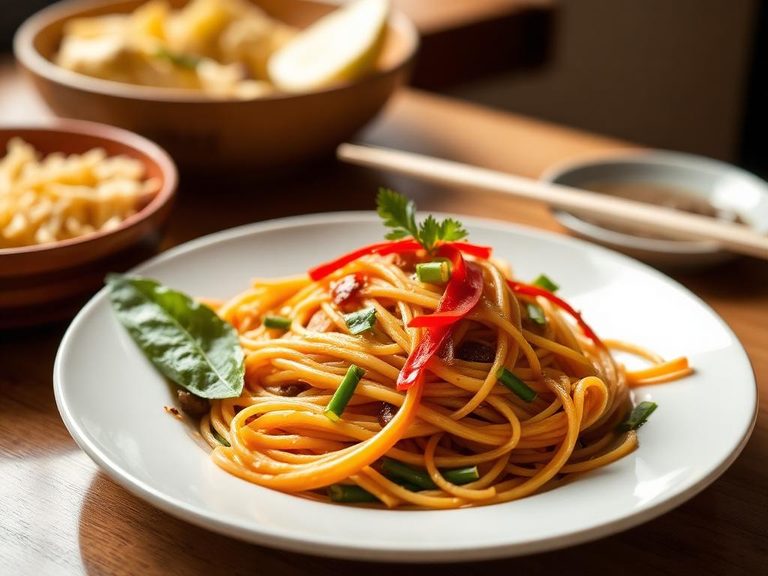
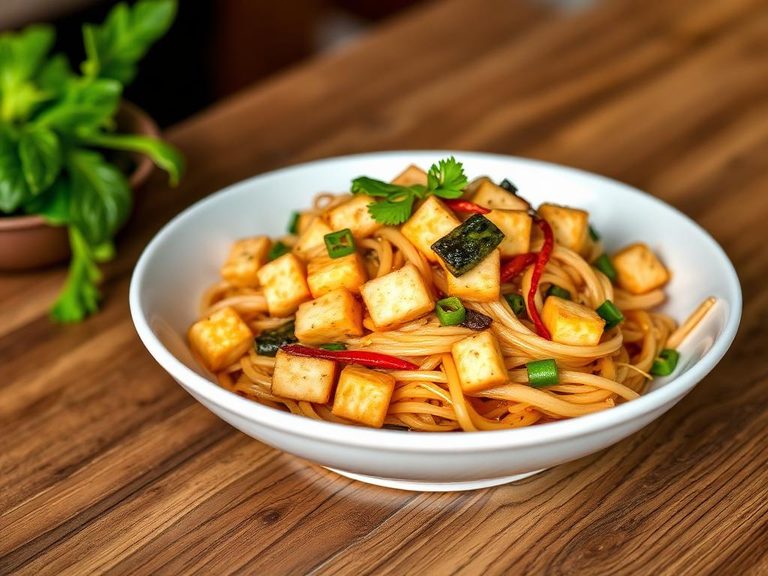
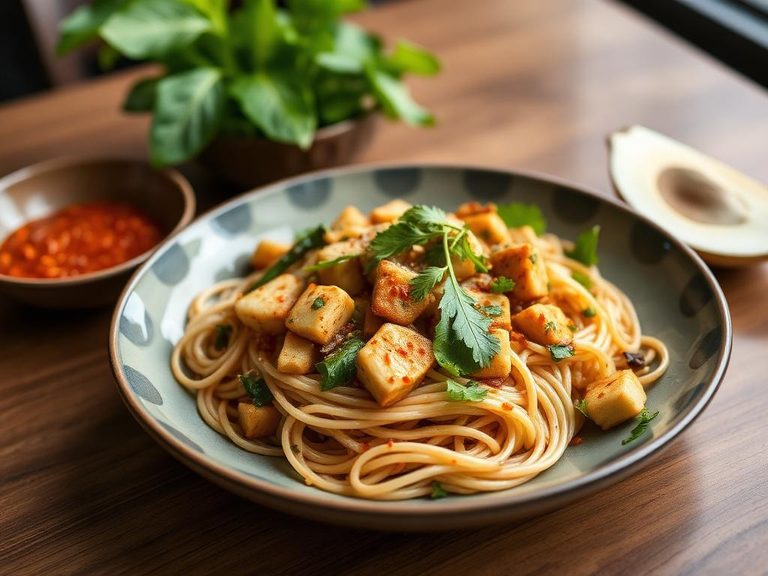
Pad Thai Goong is Thailand's iconic stir-fried rice noodle dish, featuring succulent shrimp as the star protein. The dish combines flat rice noodles with a sweet, sour, and savory sauce made from tamarind, fish sauce, and palm sugar, typically garnished with crushed peanuts, lime, and fresh bean sprouts.
🍽️ Nutrition at a glance
This dish is moderately high in carbohydrates from the rice noodles and contains a good amount of protein from the shrimp, with a moderate fat content from the cooking oil and peanuts. A typical serving provides around 400-500 calories, along with important nutrients like iron, vitamin C from the lime and bean sprouts, and omega-3 fatty acids from the shrimp.
Nutrition breakdown
| Calories | 550 kcal |
| Protein | 28 g |
| Carbs | 65 g |
| Fat | 22 g |
| Fiber | 3 g |
| Sugar | 12 g |
| Sodium | 1200 mg |
| Potassium | 450 mg |
| Iron | 4 mg |
| Calcium | 120 mg |
| Vitamin A | 150 µg |
| Vitamin C | 15 mg |
| Magnesium | 60 mg |
| Phosphorus | 300 mg |
| Zinc | 2.5 mg |
Per 1 plate (350 g) · estimated, varies by recipe
💡 What's interesting
Pad Thai was actually promoted as a national dish by Thailand's government in the 1930s-40s to reduce rice consumption during a period of shortage, making it a relatively modern invention despite its traditional appearance. The dish's signature balance of five flavors—sweet, sour, salty, bitter, and umami—reflects the fundamental Thai culinary philosophy of harmonious taste.