

On-the-go breakfast bars
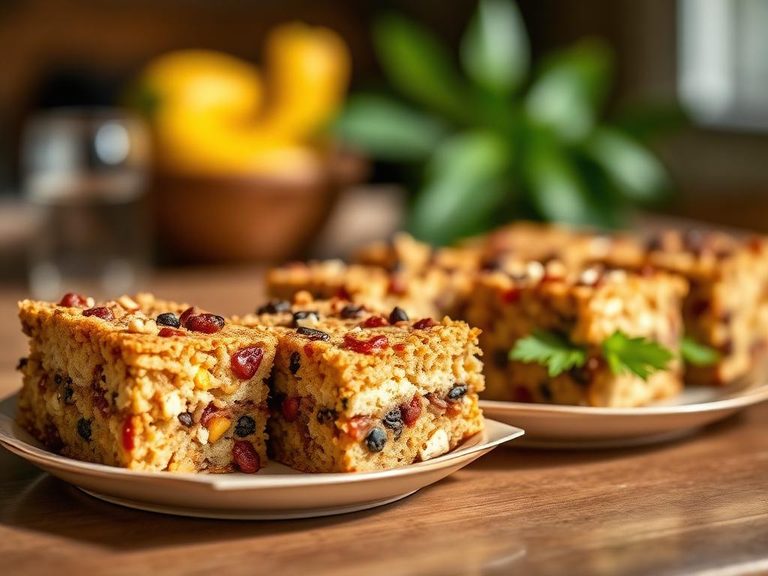
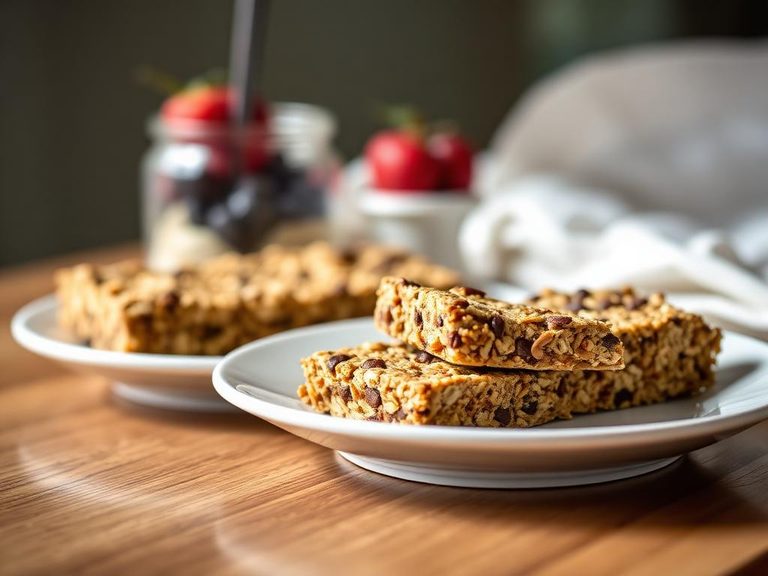
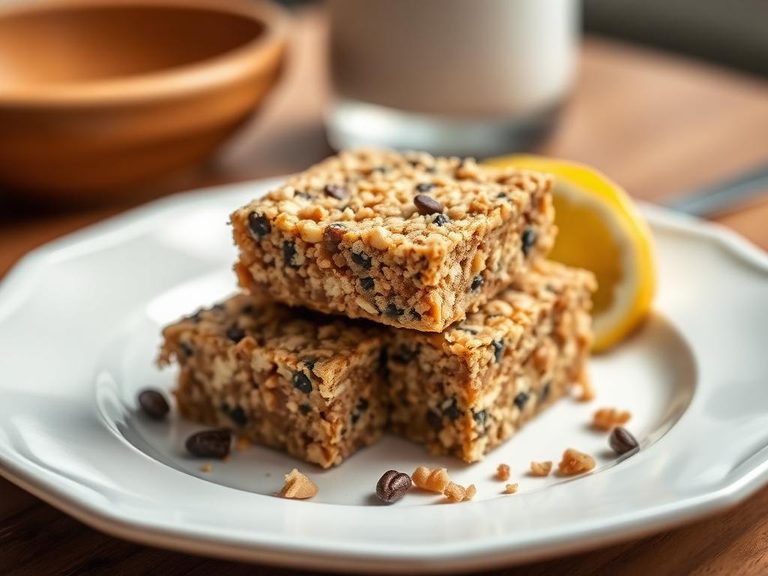
On-the-go breakfast bars are convenient, portable snacks designed for quick consumption, typically made from a blend of oats, nuts, seeds, and dried fruits bound together with sweeteners like honey or syrup. They originated in the United States in the early 20th century as a practical solution for busy lifestyles, evolving from simple granola bars to a wide variety of flavors and nutritional profiles.
🍽️ Nutrition at a glance
These bars are generally high in carbohydrates for quick energy, with a moderate amount of fat and protein depending on the ingredients. A typical bar provides key nutrients like fiber, iron, and B vitamins, and usually ranges from 150 to 250 calories per serving.
Nutrition breakdown
| Calories | 220 kcal |
| Protein | 5 g |
| Carbs | 32 g |
| Fat | 8 g |
| Fiber | 4 g |
| Sugar | 12 g |
| Sodium | 150 mg |
| Iron | 2 mg |
| Magnesium | 40 mg |
| Phosphorus | 80 mg |
| Zinc | 1.5 mg |
| Vitamin B6 | 0.2 mg |
| Vitamin E | 3 mg |
| Manganese | 1 mg |
| Copper | 0.2 mg |
Per 1 bar (60 g) · estimated, varies by recipe
💡 What's interesting
Culturally, breakfast bars reflect the modern emphasis on convenience and health-conscious eating, often marketed as a 'smart' choice for busy mornings. Nutritionally, they can be a good source of sustained energy if made with whole ingredients, though many commercial versions are high in added sugars.
🍽️ Related dishes



AI estimate may be inaccurate · Terms