

Oat bar
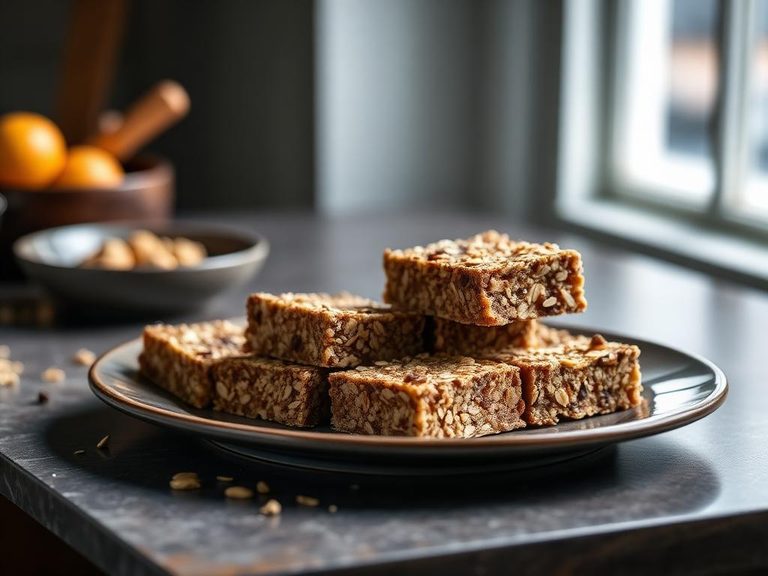
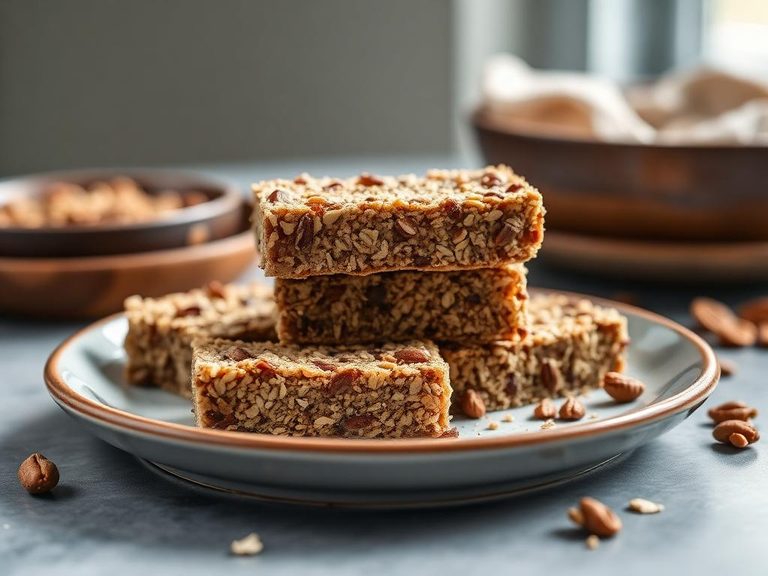
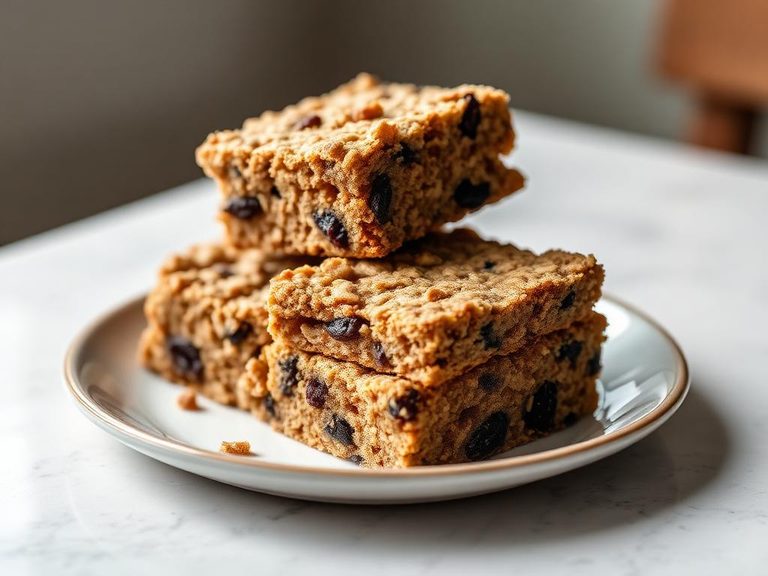
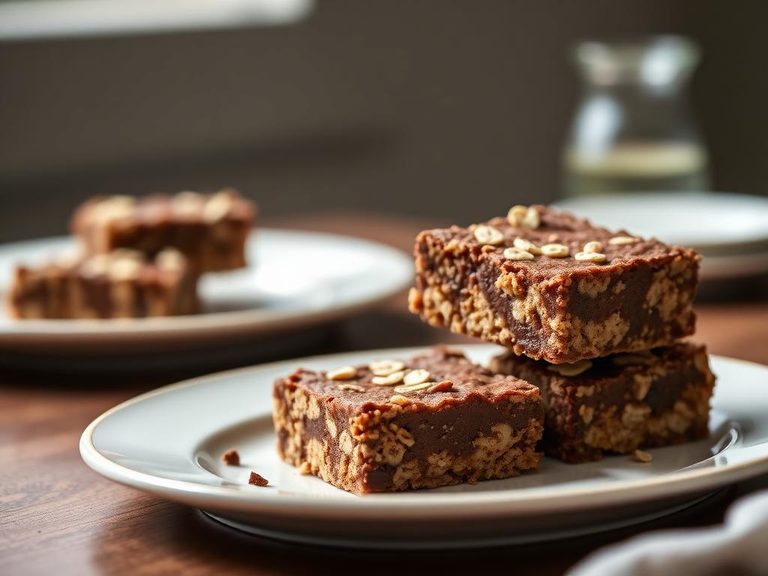
An oat bar is a convenient, baked snack bar primarily made from rolled oats, often bound together with sweeteners like honey or maple syrup and fats like butter or oil. It frequently includes add-ins such as nuts, seeds, dried fruits, or chocolate chips for texture and flavor. While its exact origins are tied to the rise of packaged health foods in the 20th century, it's now a globally popular snack.
🍳 View the full Oat bar recipe →
🍽️ Nutrition at a glance
Oat bars are typically a good source of complex carbohydrates from the oats, providing sustained energy, and can offer dietary fiber, particularly beta-glucan. Depending on the recipe, they can range from a moderate to a high-fat snack, with a typical bar containing between 150 to 300 calories.
Nutrition breakdown
| Calories | 250 kcal |
| Protein | 5 g |
| Carbs | 35 g |
| Fat | 10 g |
| Fiber | 4 g |
| Sugar | 12 g |
| Sodium | 150 mg |
| Iron | 2 mg |
| Magnesium | 50 mg |
| Phosphorus | 100 mg |
| Potassium | 150 mg |
| Zinc | 1.5 mg |
| Manganese | 1.2 mg |
| Thiamin (B1) | 0.2 mg |
| Vitamin B6 | 0.1 mg |
Per 1 bar (60 g) · estimated, varies by recipe
💡 What's interesting
Nutritionally, oat bars are unique for containing beta-glucan, a soluble fiber known to support heart health and help manage cholesterol levels. Culturally, they represent the modern shift towards portable, 'on-the-go' nutrition, blending the traditional comfort of oatmeal with the convenience demanded by busy lifestyles.
🍽️ Related dishes
AI estimate may be inaccurate · Terms