

Muffins

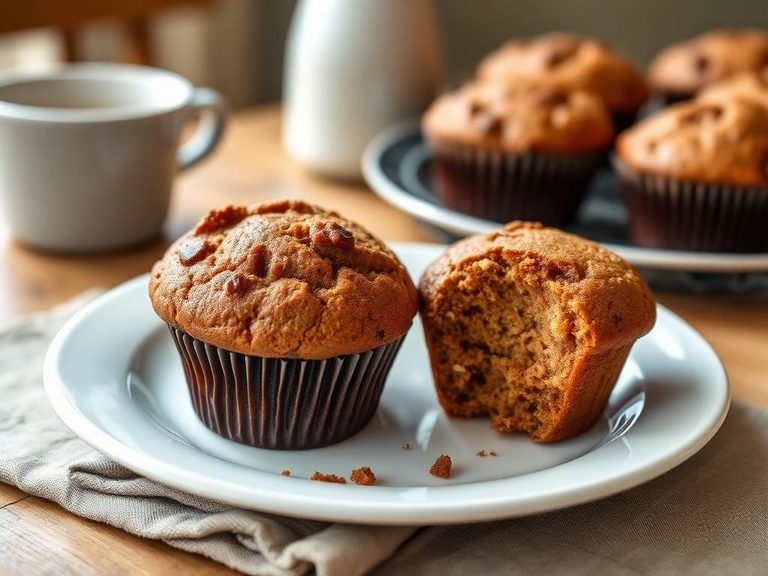
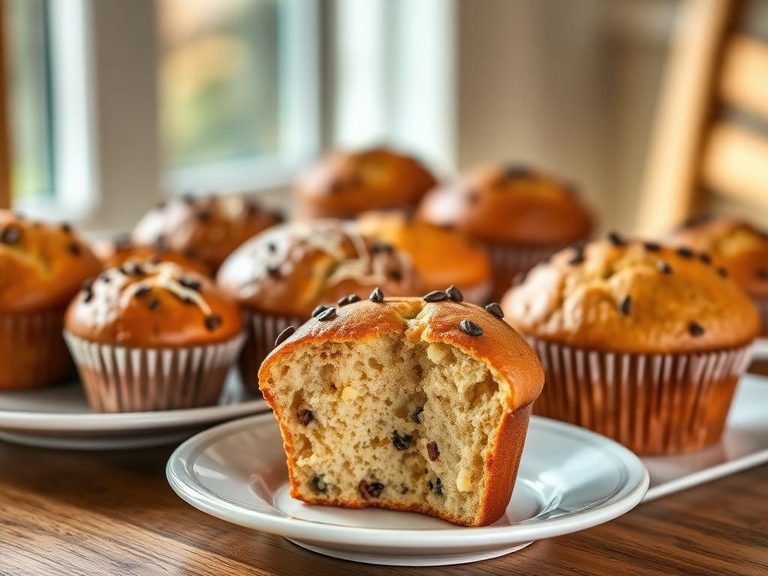
Muffins are small, individual-sized quick breads that are typically baked in a cup-shaped mold. They are characterized by their soft, tender crumb and are commonly made from flour, sugar, eggs, butter or oil, and a leavening agent like baking powder. While originating from English-speaking countries, they have become a global staple, with countless sweet and savory variations.
🍳 View the full Muffins recipe →
🍽️ Nutrition at a glance
A standard medium-sized sweet muffin is generally high in carbohydrates and fat, providing a quick source of energy. Key nutrients include B vitamins from the flour and some calcium and protein from dairy ingredients, with a typical calorie range of 350-450 per serving.
Nutrition breakdown
| Calories | 340 kcal |
| Protein | 5 g |
| Carbs | 50 g |
| Fat | 14 g |
| Fiber | 1.5 g |
| Sugar | 24 g |
| Sodium | 380 mg |
| Calcium | 60 mg |
| Iron | 2.5 mg |
| Potassium | 100 mg |
| Vitamin A | 100 IU |
| Vitamin C | 0 mg |
| Vitamin D | 0.5 mcg |
| Thiamin (B1) | 0.2 mg |
| Riboflavin (B2) | 0.15 mg |
Per 1 medium muffin (113 g) · estimated, varies by recipe
💡 What's interesting
Nutritionally, the muffin's 'quick bread' nature means it relies on chemical leaveners rather than yeast, allowing for rapid preparation but often resulting in a denser texture than yeast breads. Culturally, the muffin has evolved far beyond its simple breakfast role, becoming a canvas for creative flavors and a symbol of convenient, comforting indulgence.
🍽️ Related dishes


AI estimate may be inaccurate · Terms