

Mochi filling
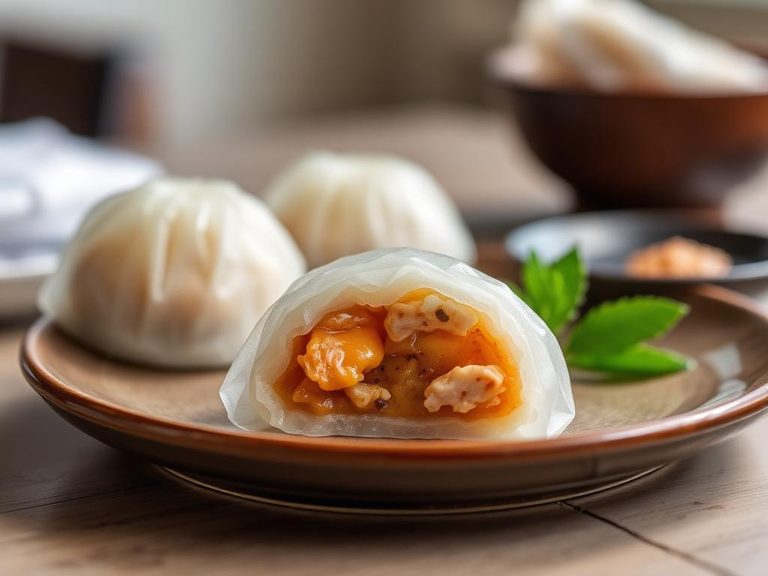
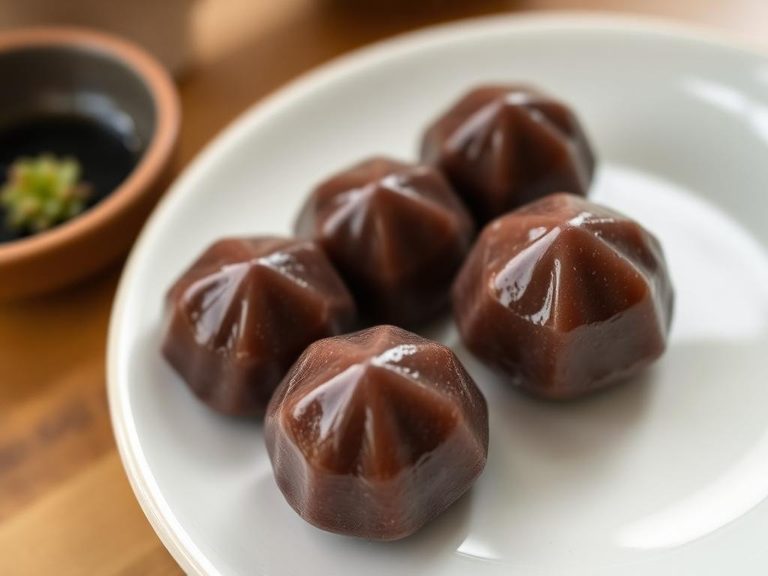
Mochi filling, often called 'Daifuku' when wrapped in mochi, refers to sweet pastes or mixtures encased in soft, chewy rice cake. Common fillings include sweet red bean paste (anko), black sesame, or fruit, and it's a beloved confection originating from Japan.
🍳 View the full Mochi filling recipe →
🍽️ Nutrition at a glance
This dessert is primarily high in carbohydrates from the glutinous rice and sweetened fillings, with minimal protein or fat. A single piece typically contains around 100-150 calories, providing quick energy but few other significant nutrients.
Nutrition breakdown
| Calories | 150 kcal |
| Protein | 2 g |
| Carbs | 32 g |
| Fat | 2 g |
| Fiber | 0.5 g |
| Sugar | 18 g |
| Sodium | 10 mg |
| Iron | 0.5 mg |
| Calcium | 10 mg |
| Potassium | 50 mg |
| Vitamin B1 (Thiamine) | 0.02 mg |
| Vitamin B2 (Riboflavin) | 0.01 mg |
| Magnesium | 8 mg |
| Phosphorus | 20 mg |
| Copper | 0.05 mg |
Per 1 piece (60 g) · estimated, varies by recipe
💡 What's interesting
Culturally, mochi is central to Japanese New Year celebrations (Oshogatsu) and is associated with good fortune. Nutritionally, its unique texture comes from glutinous rice, which is sticky and chewy due to its high amylopectin starch content.
🍽️ Related dishes
AI estimate may be inaccurate · Terms