

Japanese Koshi Mochi
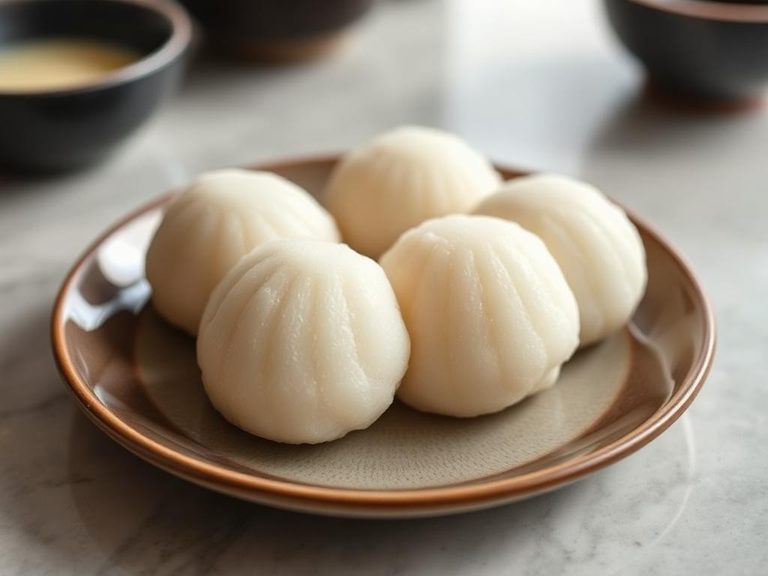
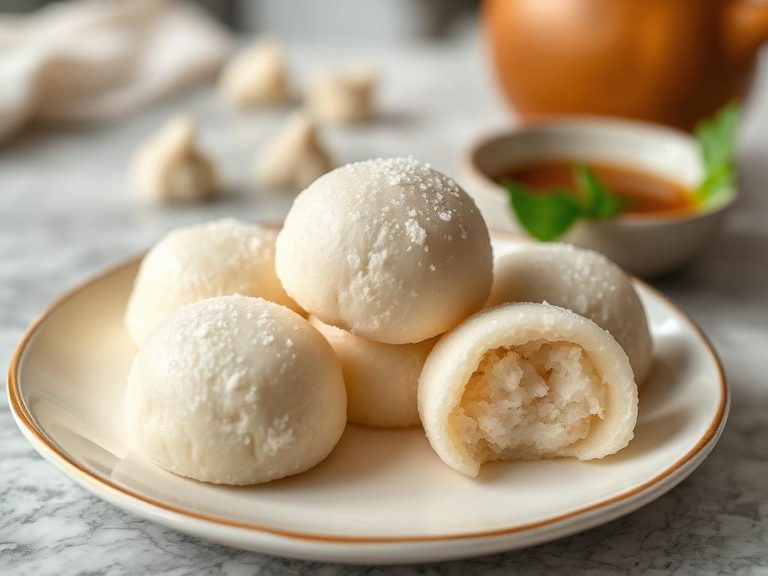
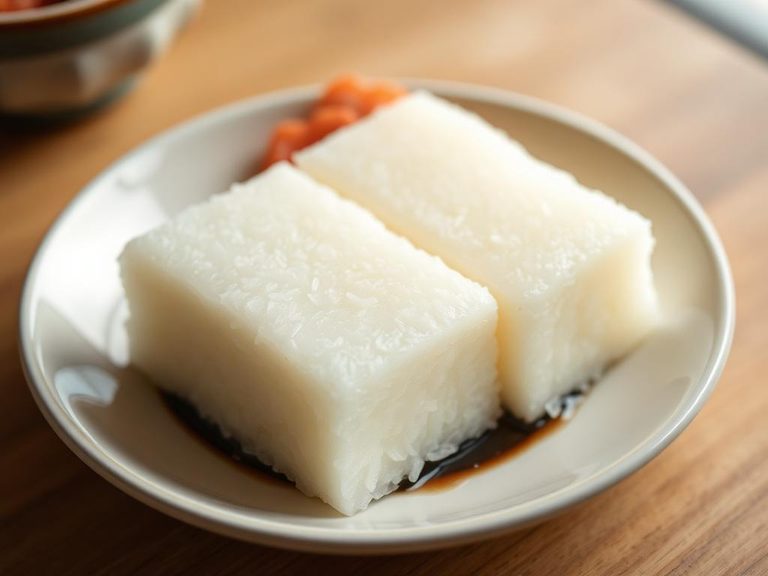
Japanese Koshi Mochi is a traditional, premium variety of mochi (rice cake) made from highly glutinous mochigome rice, known for its exceptionally smooth, elastic, and chewy texture. It is typically prepared by pounding steamed rice into a sticky, cohesive mass, and is often enjoyed during New Year celebrations or as a comforting snack with sweet or savory toppings. Originating from Japan, it is a staple in traditional cuisine and symbolizes good fortune and togetherness.
🍽️ Nutrition at a glance
Koshi Mochi is high in carbohydrates, primarily from starch, providing a quick source of energy with minimal fat and protein. A standard serving (about 100 grams) contains roughly 235-250 calories, along with small amounts of minerals like manganese and selenium from the rice.
Nutrition breakdown
| Calories | 200 kcal |
| Protein | 3.5 g |
| Carbs | 45 g |
| Fat | 0.5 g |
| Fiber | 0.5 g |
| Sugar | 0 g |
| Sodium | 5 mg |
| Potassium | 50 mg |
| Iron | 0.5 mg |
| Calcium | 10 mg |
| Magnesium | 10 mg |
| Phosphorus | 40 mg |
| Thiamin (B1) | 0.02 mg |
| Niacin (B3) | 0.3 mg |
| Folate | 10 mcg |
Per 1 piece (80 g) · estimated, varies by recipe
💡 What's interesting
Culturally, mochi like Koshi Mochi holds deep significance in Japan, often featured in Shinto rituals and New Year's traditions such as 'mochitsuki' (pounding ceremonies). Nutritionally, its dense, sticky texture is due to the high amylopectin content in glutinous rice, which makes it uniquely satisfying but also a potential choking hazard if not chewed carefully.
🍽️ Related dishes
AI estimate may be inaccurate · Terms