Mixer for alcoholic cocktails
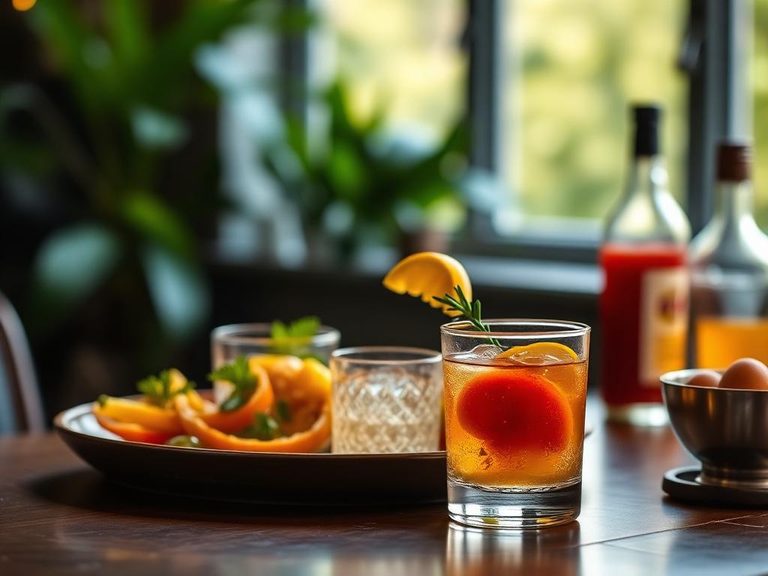
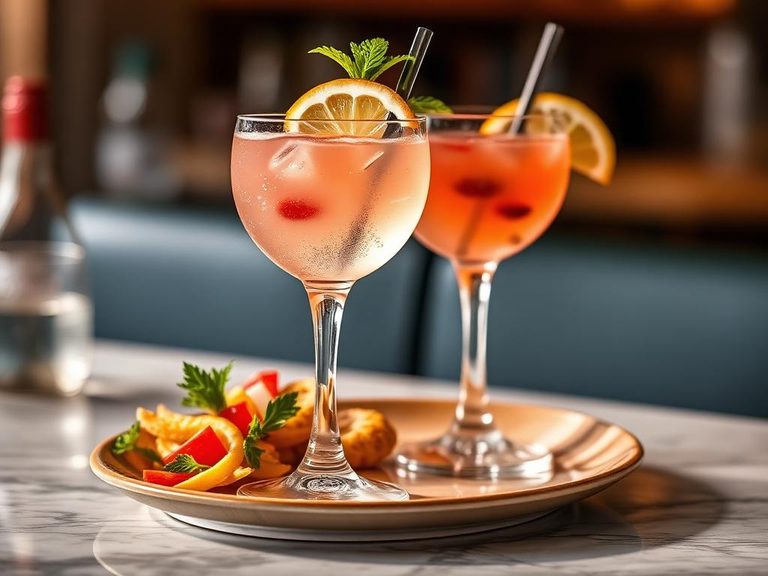
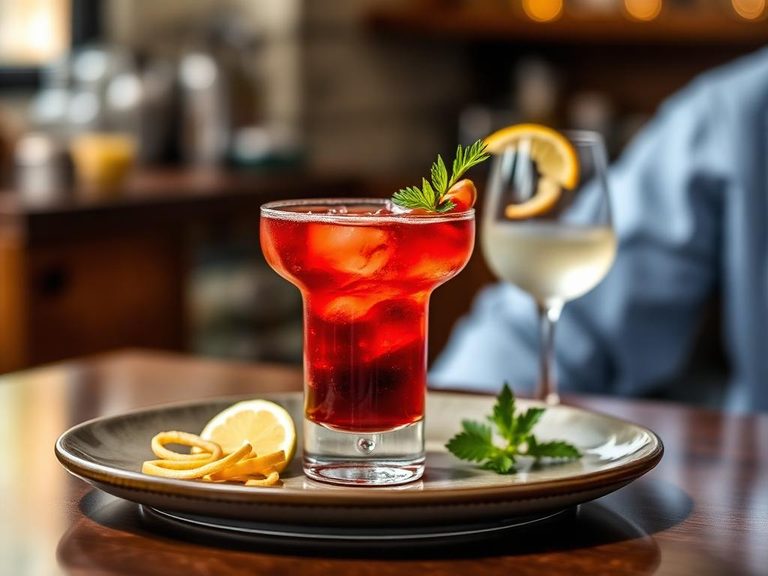
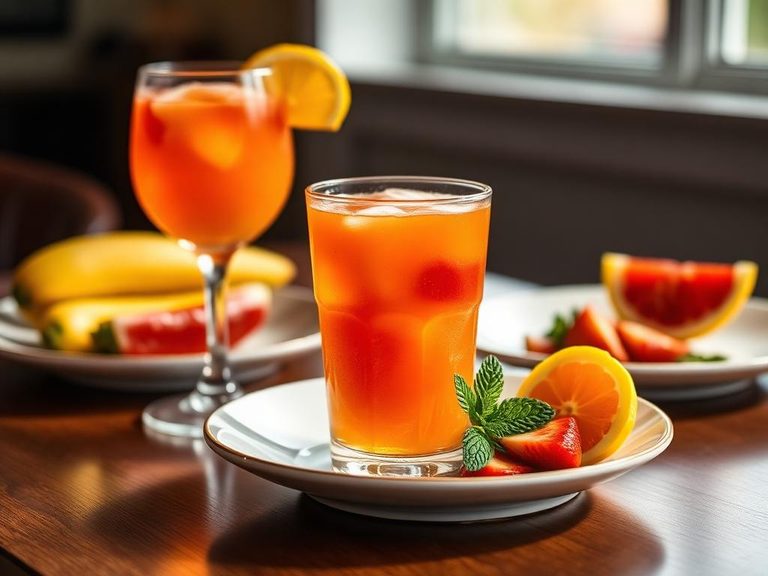
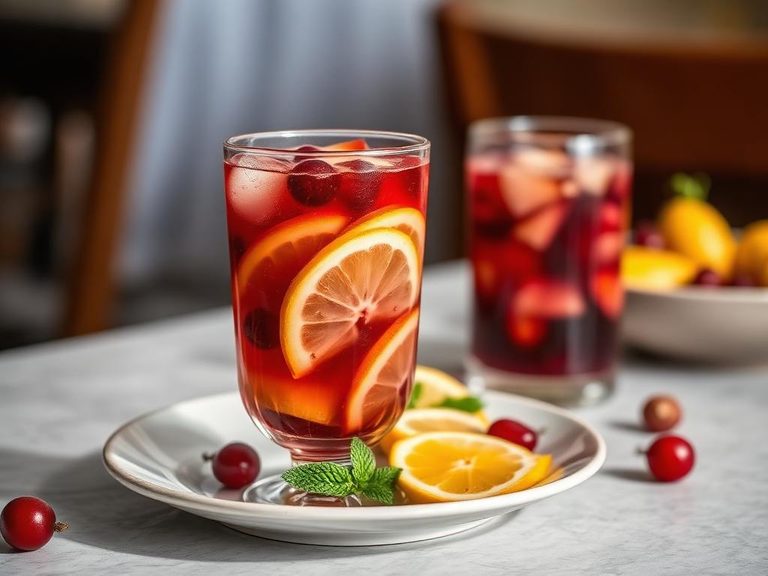
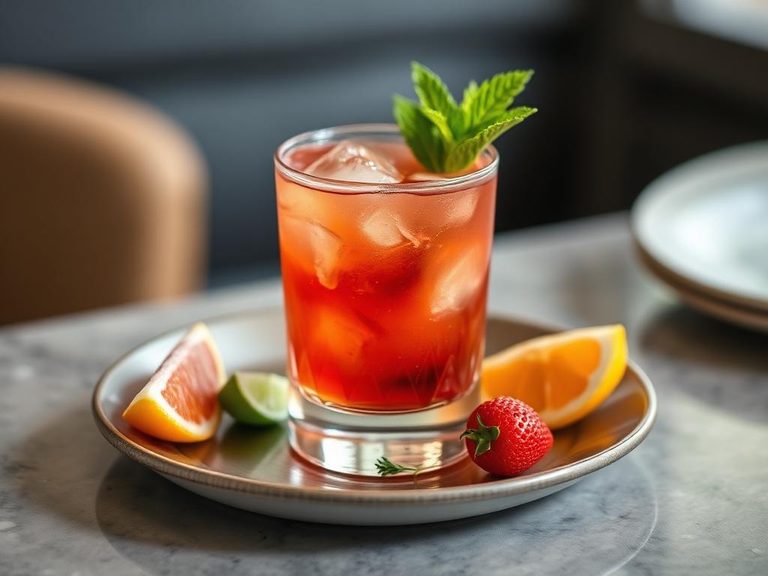
A cocktail mixer is a non-alcoholic beverage base used to create a wide variety of mixed drinks, typically by combining it with a spirit like vodka, rum, or gin. Common examples include tonic water, cola, ginger ale, fruit juices, and sour mixes, which provide the primary flavor, sweetness, and volume. These mixers are a staple in bars and homes worldwide, originating from the classic cocktail culture of the 19th and 20th centuries.
🍽️ Nutrition at a glance
Cocktail mixers are generally high in carbohydrates, primarily from added sugars, and are virtually fat-free and protein-free. A typical serving can provide a significant amount of quick energy but offers little in the way of essential nutrients, with calories ranging widely from about 50 kcal for a diet soda to over 150 kcal for a sugary juice blend per 8-ounce serving.
Nutrition breakdown
| Calories | 120 kcal |
| Protein | 0 g |
| Carbs | 30 g |
| Fat | 0 g |
| Fiber | 0 g |
| Sugar | 28 g |
| Sodium | 60 mg |
| Vitamin C | 15 mg |
| Potassium | 45 mg |
| Sodium | 60 mg |
Per 1 cup (240 g) of a typical sweet and sour cocktail mixer · estimated, varies by recipe
💡 What's interesting
The global cocktail mixer market is a multi-billion dollar industry, reflecting its cultural importance in social rituals and mixology. Nutritionally, they are often a hidden source of high sugar intake, with some sweet and sour mixes containing as much sugar per ounce as a soft drink.